What Is W Token? Powering the Future of Decentralized Finance


Key Takeaways
• W token is essential for governance within the Wormhole ecosystem, allowing community-led decisions.
• It enhances cross-chain composability, enabling DeFi applications to operate seamlessly across multiple blockchains.
• Holding W token allows users to participate in funding initiatives that drive ecosystem growth and security.
Decentralized finance is steadily moving from single-chain applications to an interoperable, multi-chain reality. At the heart of this transition is Wormhole, a cross-chain messaging protocol connecting dozens of blockchains and enabling assets and data to move trust-minimized across ecosystems. W token is the governance asset of the Wormhole ecosystem, designed to align stakeholders and steer protocol development as cross-chain infrastructure becomes foundational to DeFi.
This article explains what W token is, how it works, why it matters for users and builders, and how to hold it safely.
A Quick Primer on Wormhole and W Token
- Wormhole is a generalized interoperability layer that lets applications send messages and value across multiple blockchain networks. It’s used for asset transfers, cross-chain governance, decentralized identity, and more. For an overview, see the official Wormhole site (Wormhole protocol) and developer documentation (Wormhole docs).
- W token is a governance token for the Wormhole ecosystem. It enables community-led decisions about protocol parameters, funding, and upgrades in the Wormhole DAO. The token launched in 2024 and is available on multiple chains through Wormhole’s native multi-chain architecture. For current market data, you can refer to Coinbase’s asset page for W (Wormhole price reference).
W token is not “gas” on any chain and is not required to use Wormhole bridges. Instead, it represents governance rights and aligns incentives among users, builders, guardians, and ecosystem contributors.
Why W Token Matters for DeFi
- Cross-chain composability: DeFi increasingly relies on liquidity and logic across many chains. Wormhole enables applications to “compose” across ecosystems, and W holders help govern how this interoperability evolves.
- Community-driven roadmap: With W, the community can fund new integrations, tooling, audits, and research that directly impact developers and users. This is critical as interoperability standards mature.
- Alignment and resilience: Decentralized governance can improve resilience against single points of failure and evolve security practices as threats change. The governance process ensures that upgrades and parameters reflect the community’s risk appetite.
If you’re new to cross-chain concepts and risks, the Ethereum foundation’s overview is a helpful starting point (Bridges explained).
How W Token Works
While specific governance mechanics are defined by the Wormhole DAO, W generally supports:
- Voting and delegation: W holders can vote directly or delegate to representatives on proposals involving protocol upgrades, ecosystem funding, and key parameters. Delegation encourages professional governance participation without requiring all holders to be constantly active.
- Multi-chain availability: W exists on multiple networks, with canonical representations maintained via Wormhole’s infrastructure so governance can be inclusive across ecosystems (see Wormhole docs).
- Ecosystem development: Treasuries governed by W holders can fund grants, audits, integrations, and education initiatives that grow the cross-chain economy.
As of 2025, Wormhole continues to expand support for major L1s and L2s, reflecting the reality that DeFi liquidity and users are distributed across chains (Wormhole protocol).
Tokenomics in Brief
- Purpose: Governance and ecosystem alignment for the Wormhole protocol and DAO.
- Supply and distribution: The total supply and allocations were announced at launch in 2024, with portions designated for community programs, contributors, and ecosystem growth. Check official materials for the latest details (Wormhole docs).
- Availability: W can be found on supported networks and tracked through reputable data sources (Wormhole price reference).
Note: Always verify contract addresses from official documentation or reputable explorers before interacting with any token.
What You Can Do With W
- Participate in governance: Vote on proposals, delegate to trusted participants, and help shape the direction of cross-chain infrastructure.
- Support ecosystem initiatives: Propose or vote to fund audits, developer grants, integrations, and security improvements.
- Align with long-term interoperability: W is about stewardship of shared infrastructure that many DeFi applications rely on. Governance participation helps maintain neutrality and composability across chains.
Risks and Considerations
Cross-chain systems introduce unique risks—message relaying, validator or guardian sets, and asset wrapping can expand the attack surface. While the industry has improved security through audits, open-source tooling, and better economic design, users should remain cautious:
- Smart contract and bridge risk: Understand how messages are validated and assets are custodied or minted on the destination chain (Bridges explained).
- Market volatility: Governance tokens can be volatile. Consider the utility, roadmap, and governance activity, not just price action.
- Operational security: Use secure signing practices and verify contract addresses via official sources (Wormhole docs).
For context on ecosystem-wide bridge activity and trends, DeFiLlama’s overview offers a broad picture (DeFiLlama bridges).
Holding W Safely: Practical Tips
- Verify token addresses on official documentation and trusted block explorers before any transfer or trade (Wormhole docs).
- Prefer self-custody with strong threat models. Hardware wallets provide offline key storage, reducing exposure to phishing and malware.
- If you hold assets across multiple chains, consider a device and software stack that supports EVM and Solana networks, clear transaction preview, and reliable firmware updates.
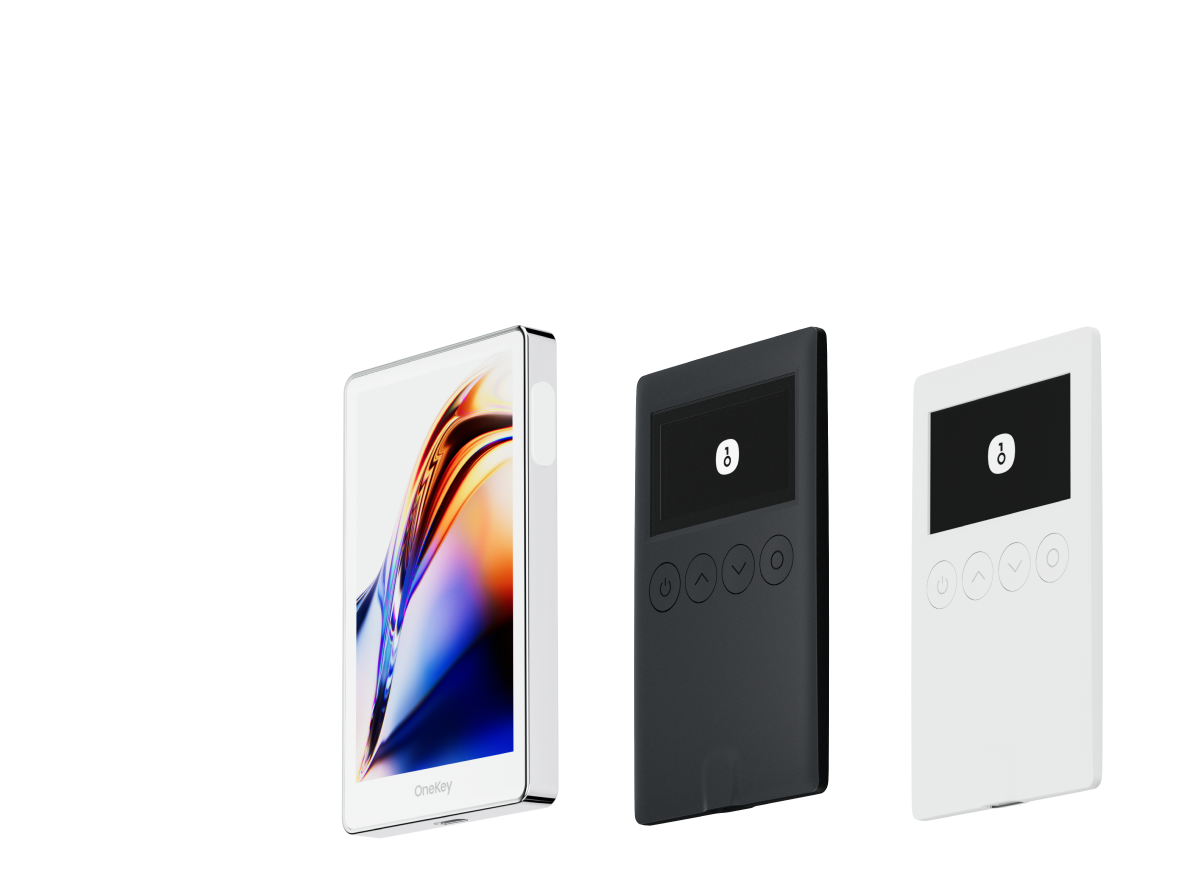
OneKey is a hardware wallet option tailored for multi-chain users. It offers secure offline key storage and broad network support, making it practical for managing governance assets like W across EVM and Solana ecosystems. For users participating in DAO voting or managing cross-chain portfolios, OneKey’s focus on usability and multi-chain coverage can help reduce operational risk while keeping governance assets under your sole control.
Frequently Asked Questions
- Is W required to use Wormhole bridges? No. W is for governance. Wormhole bridges and messaging can be used without W.
- Does W pay protocol fees? W is not a gas token and is not used for transaction fees.
- Is W available on multiple chains? Yes. Wormhole is multi-chain and W exists across supported networks (Wormhole protocol).
- How do proposals get passed? Check the DAO governance documentation and community forums for mechanics and timelines (Wormhole docs).
Conclusion
Interoperability is becoming a baseline requirement in DeFi, and governance is the mechanism that keeps shared infrastructure neutral, secure, and adaptable. W token is designed to give the Wormhole community the tools to guide cross-chain infrastructure as it scales. If you plan to participate in governance or manage assets across chains, ensure you follow best practices for verification and self-custody. A secure, multi-chain hardware wallet like OneKey can help you safeguard governance assets while engaging confidently in the evolution of cross-chain finance.
References:
- Wormhole protocol: https://wormhole.com
- Wormhole docs: https://docs.wormhole.com
- Bridges explained (Ethereum.org): https://ethereum.org/en/developers/docs/bridges/
- DeFiLlama bridges overview: https://defillama.com/bridges
- Wormhole price reference: https://www.coinbase.com/price/wormhole