What Is VITA Token? Powering Life-Centered Web3 Applications


Key Takeaways
• VITA is the ERC-20 governance token for VitaDAO, aimed at funding and accelerating longevity research.
• The token enables community-driven decision-making for research funding, IP licensing, and technology development.
• VITA supports a transparent mechanism for fundraising and licensing through IP-NFTs.
• Participants can vote on proposals, signal priorities, and delegate voting power to improve decision quality.
• Risks include governance participation challenges, scientific uncertainty, and regulatory considerations.
Longevity science is moving from academic papers to on-chain coordination. VITA is the governance token behind VitaDAO, a decentralized community that funds and accelerates longevity research and biotech IP through Web3 rails. If you are exploring how crypto is being used beyond finance, VITA sits at the intersection of decentralized science (DeSci), research IP, and on-chain community governance.
This article explains what VITA is, how it works, why it matters, and how to handle it securely.
Why longevity research is ripe for Web3
Aging populations are reshaping global health and economics. The World Health Organization notes that the number of people aged 60 years and older is expected to double by 2050, and age-related diseases already account for the largest share of healthcare costs worldwide. Traditional funding pathways can be slow and opaque, leaving translation gaps between lab results and real-world therapies. A transparent, incentive-aligned mechanism for discovery, funding, and commercialization is sorely needed. See the WHO’s overview of ageing and health for context at the end of this paragraph for deeper background on unmet needs in longevity research.
Reference: WHO — Ageing and health
What is VITA?
VITA is the ERC‑20 governance token of VitaDAO, a community-owned collective that finances, licenses, and spins out longevity research. Token holders propose and vote on funding decisions, IP licensing, technology development, and community initiatives. As a governance-first asset, VITA coordinates capital and decision-making rather than functioning as a claim on profits.
Key characteristics:
- Standard: ERC‑20 on Ethereum
- Primary utility: Governance and coordination within the VitaDAO ecosystem
- Supply and distribution: Refer to the current tokenomics in VitaDAO’s documentation, as parameters may evolve with governance decisions.
Reference: VitaDAO Docs — Token, governance, and funding
You can also check market data and contract metadata via market aggregators, keeping in mind that listings and liquidity can change over time.
Reference: CoinGecko — VitaDAO (VITA)
How VITA powers life-centered Web3 applications
VITA underpins a stack of on-chain tools and processes designed for scientific research:
-
IP-NFTs for research rights and licensing
- VitaDAO uses IP-NFTs to represent research IP and related legal rights, enabling transparent fundraising and licensing pathways. This structure aims to make early-stage biotech IP discoverable and tradable under a compliant framework.
- Reference: Molecule — Introducing IP‑NFTs
-
Decentralized governance and treasury management
- Funding proposals are voted on by token holders via off-chain signed ballots (e.g., Snapshot) and executed by multisig treasuries (e.g., Safe).
- Under the hood, governance often relies on EIP‑712 typed signatures for gasless, verifiable voting off-chain.
- Reference: EIP‑712 — Typed structured data hashing and signing
-
Community curation and due diligence
- Subject-matter experts and contributors source projects, perform reviews, and collaborate publicly. This open, on-chain process helps surface niche but high-potential longevity projects that might be underfunded by traditional grants.
-
Toward RWA and IP tokenization
- Tokenization of real-world assets (RWA), including research IP, is emerging as a broader theme in 2024–2025. Industry bodies expect growing institutional experimentation around tokenized assets and compliant rails.
- Reference: World Economic Forum — The Tokenization of Real-World Assets
What can you do with VITA?
- Vote on proposals to fund new research programs and IP-NFTs
- Signal priorities for the DAO’s treasury and operations
- Support or oppose licensing terms and spinout strategies
- Delegate voting power to domain experts to improve decision quality
VITA is not designed as a claim on future cash flows. It is a coordination mechanism for a community-driven biotech research portfolio. Always review the latest governance documentation before participating.
Reference: VitaDAO Docs — Governance and proposals
The DeSci stack around VITA
- Research IP and licensing: IP-NFTs and service agreements (Molecule and partners)
- Governance: Snapshot (off-chain voting), Safe (multisig treasury)
- Funding primitives: Grants, milestone-based releases, bounties, and potential revenue-sharing constructs where legally viable
- Data and collaboration: Open repositories, preprints, and community peer review that complement conventional journals and IP counsel
This stack aims to reduce friction in translating lab research into spinouts and licensed therapies while preserving transparency and community alignment.
Risks to consider
- Governance and participation: Quorum, voter apathy, and token concentration can affect outcomes. Review delegate activity and proposal histories.
- Scientific uncertainty: Early-stage research carries high technical and translational risk. Negative results are part of rigorous science.
- Market and liquidity: VITA’s liquidity and exchange listings can change. Slippage and MEV are possible on DEX trades.
- Regulatory and legal: IP licensing, RWA tokenization, and health-tech commercialization are regulated domains. Jurisdictional differences matter.
- Security: Token approvals and malicious dApps are perennial risks. Periodically review and revoke unnecessary allowances.
Reference: Revoke.cash — What are token approvals?
How to acquire and custody VITA
-
Discovery and price feeds: Start with market aggregators to find active markets and contract metadata.
- Reference: CoinGecko — VitaDAO (VITA)
-
DEX basics: If liquidity is primarily on decentralized exchanges, review best practices around slippage, routing, and verifying contract addresses.
- Reference: Uniswap — Documentation
-
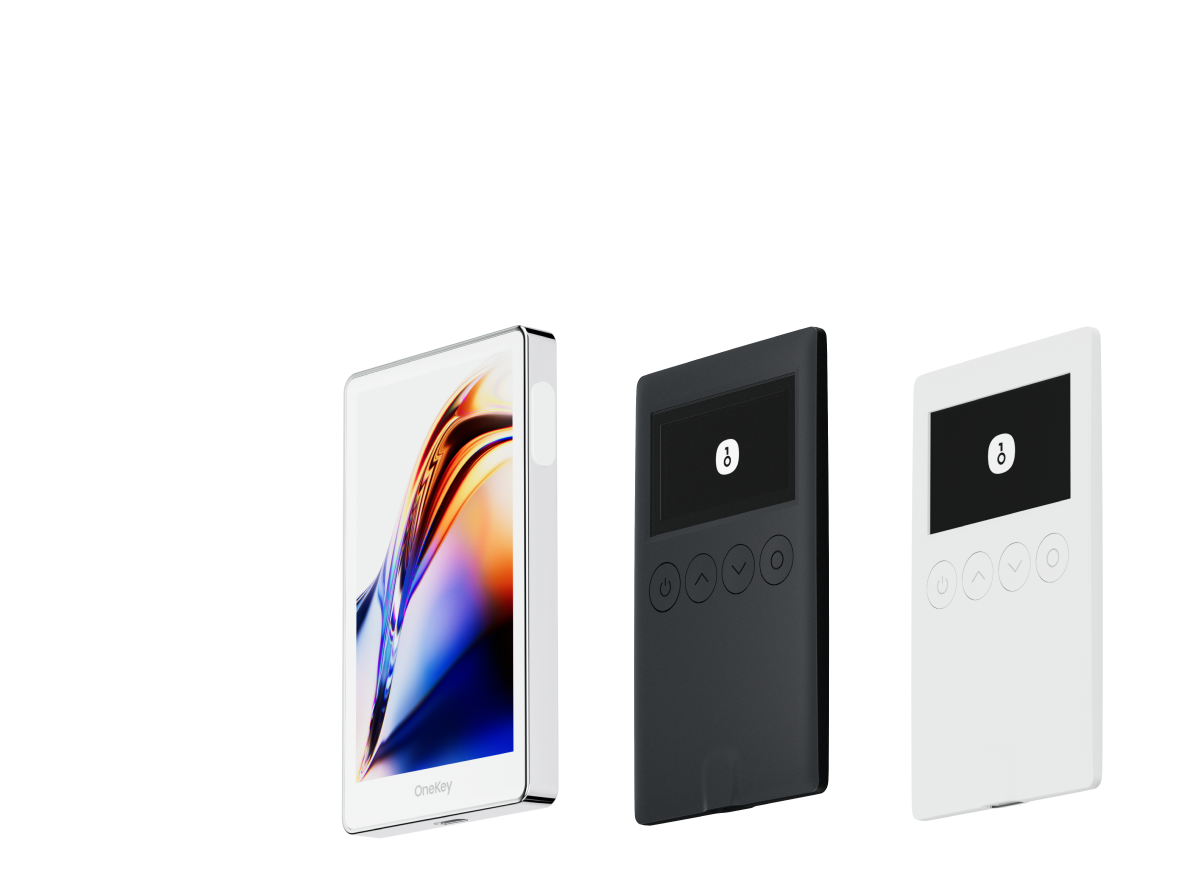
Secure storage: Use a hardware wallet to protect private keys, confirm contract addresses on-chain, and sign governance messages safely. OneKey offers:
- Open-source firmware and clients with verifiable builds
- EVM compatibility for holding ERC‑20 assets and signing EIP‑712 governance votes
- WalletConnect support for connecting to governance portals like Snapshot while keeping keys offline
- Clear-signing UX to review transaction and approval details before confirming
These features map well to how VITA is used in practice: holding tokens, delegating, and signing off-chain votes securely.
Note: Always verify the correct VITA contract address via reputable sources (e.g., official docs or trusted explorers) before adding a custom token in your wallet.
Outlook for 2025 and beyond
- Tokenized IP and biotech spinouts: Expect more structured frameworks for IP-NFT licensing and compliance as more institutions experiment with RWA rails in biotech.
- Governance hardening: Delegation markets and domain-specific review committees can help scale scientific due diligence.
- Regulatory convergence: Agencies are increasing guidance on digital health and data governance, which may interface with DeSci initiatives as they touch diagnostics, software, or data.
Reference: FDA — Digital Health Center of Excellence
Bottom line
VITA is a governance token aimed at a concrete, real-world problem: financing and coordinating longevity research. By combining ERC‑20 incentives, IP-NFT licensing, and open community governance, VitaDAO is testing a new way to move promising science from lab benches to patients.
If you plan to hold and participate in VITA governance, pair strong operational hygiene with robust key management. A hardware wallet with open-source security, EVM compatibility, and smooth governance signing—such as OneKey—can help you participate in DeSci without compromising on-core wallet safety.