What Is UMA Token? Enabling Synthetic Assets on Ethereum

Key Takeaways
• UMA allows the creation of synthetic assets that track real-world values without direct custody.
• The Optimistic Oracle minimizes costs and enhances flexibility by resolving disputes only when necessary.
• The UMA token secures the oracle's governance and incentivizes honest participation.
• oSnap integration automates on-chain governance actions based on off-chain votes.
• Key risks include oracle disputes and the need for robust collateralization.
UMA is a decentralized protocol on Ethereum that enables anyone to create, collateralize, and settle synthetic assets and other data-verifiable contracts. Its native UMA token powers an “optimistic” oracle used to resolve truth on-chain, allowing markets and governance actions to execute without relying on centralized price feeds or administrators. This design unlocks a broad range of programmable financial products—like KPI Options and collateralized synthetic exposures—while keeping the core system credibly neutral and economically secure.
In this article, we unpack how UMA works, why its Optimistic Oracle matters, what the UMA token actually does, and how you can participate securely.
Why synthetic assets matter in DeFi
Synthetic assets are tokenized contracts that track the value of something else—an index, a KPI, or even an event outcome—without requiring direct custody of the underlying. On Ethereum, synthetic instruments can be made composable with other protocols, enabling:
- Capital-efficient exposure to off-chain assets and indexes
- Programmable payouts based on real-world data or DAO metrics
- Permissionless creation of new markets without trusted intermediaries
This composability is supported by smart contracts and decentralized infrastructure on Ethereum. For background on how these building blocks work, see Ethereum’s overview of smart contracts and standards such as ERC‑20, which defines how tokens behave on-chain (reference: ethereum.org, EIP‑20).
UMA in a nutshell
UMA is both:
- A protocol for creating and settling synthetic assets and other data-driven contracts
- An Optimistic Oracle—secured by the UMA token—that resolves data and prices when asked by contracts
At a high level, UMA lets counterparties agree on a payoff that depends on some future data point (for example, “What was the 7‑day average of a KPI?”). The contract assumes proposed data is correct by default; only if someone disputes it does the system escalate to UMA’s oracle for resolution. This “optimistic” pattern minimizes costs in normal operation and only uses token-weighted verification when needed. Learn more in the official documentation (reference: UMA docs).
How the Optimistic Oracle works
- A contract requests data (a price, metric, or outcome) for a specific time.
- A proposer submits the value along with a bond.
- If nobody disputes within a challenge window, the value is accepted on-chain.
- If disputed, UMA’s oracle opens a resolution process where UMA token holders (and designated participants) adjudicate the correct value. The system redistributes bonds to reward correct behavior and penalize bad actors.
Because it only “wakes up” during disputes, the oracle is cost-efficient and highly flexible—it can verify arbitrary data, not just asset prices (reference: UMA protocol overview).
The role of the UMA token
The UMA token underpins the oracle’s game theory and governance:
- Securing truth: UMA participants stake economic value and are incentivized to vote honestly during disputes. Dishonest votes risk slashing; correct votes earn rewards.
- Protocol governance: UMA token holders upgrade parameters, manage treasury, and direct the roadmap, aligning incentives across builders and users.
- Ecosystem incentives: Programs and rewards can bootstrap new markets or integrations that expand oracle utility.
For token details (supply, contract address, and on-chain activity), verify on authoritative sources such as Etherscan and market trackers like CoinGecko.
Beyond prices: oSnap and on-chain governance automation
UMA’s oracle also powers oSnap—an integration that turns off-chain Snapshot votes into automated, on-chain Safe transactions if no valid dispute occurs. In practice:
- A DAO holds a vote on Snapshot.
- If passed, an oSnap-enabled Safe can automatically execute the associated transaction bundle unless a dispute is raised and resolved via UMA’s oracle.
- The result is human-readable, off-chain governance with trust-minimized, on-chain execution (reference: oSnap product site).
As DAOs mature in 2024–2025, this pattern has gained traction because it preserves community UX while delivering deterministic execution and measurable security assumptions. It also avoids sole reliance on multisig signers, distributing verification to an open set of oracle participants.
Common UMA-based use cases
- Synthetic exposure: Create collateralized tokens tracking indices or non-crypto data points, subject to transparent rules and oracle verification.
- KPI Options: Tokens with payouts that depend on hitting specific goals (e.g., users, fees, TVL). This can drive aligned growth by tying incentives to measurable performance (reference: UMA docs).
- DAO automation: Execute treasury and operations actions after off-chain votes via oSnap, reducing centralized coordination risk while keeping gas costs predictable (reference: oSnap).
Key risks and what to watch
- Oracle disputes: While rare, they are a core part of the security model. Market designers should set appropriate liveness windows and bonds to deter manipulation (reference: UMA docs).
- Collateral and liquidity: Synthetic assets rely on robust collateralization and liquid markets. Poorly designed parameters can lead to under-collateralization or slippage during stress.
- Data and regulatory considerations: Synthetic exposures tied to off-chain assets or events can involve legal and data-access complexities depending on jurisdiction and asset type.
As always, understand the contract’s parameters and dispute assumptions before participating.
How to get and store UMA
- Acquisition: UMA is listed on major centralized and decentralized exchanges. Always confirm the token contract address on Etherscan before transacting.
- Self-custody: Because UMA’s utility includes governance and oracle participation, many users prefer self-custody to retain control over voting and contract interactions.
- Hygiene: Periodically review and revoke unnecessary approvals using tools like the Etherscan Token Approval Checker.
Using a hardware wallet for UMA and governance
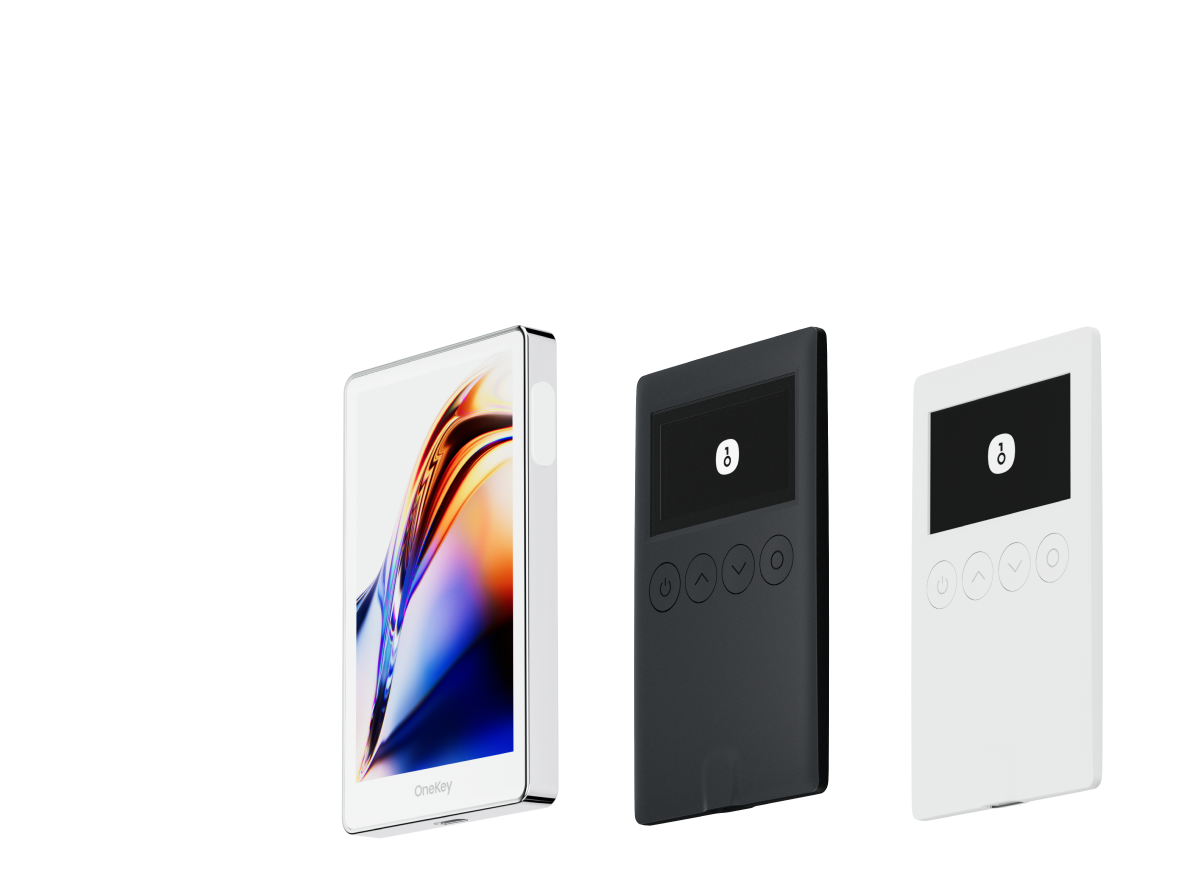
If you plan to hold UMA for governance or interact with protocols integrated with the Optimistic Oracle or oSnap, a hardware wallet helps keep your private keys offline while you sign Snapshot messages and on-chain transactions. OneKey supports Ethereum and other EVM networks, offers open-source software, and integrates with popular dApps through browser extensions and connectors. This setup is especially useful when:
- You vote on Snapshot and later need to co-sign on-chain execution via oSnap
- You manage a Safe treasury that relies on UMA-secured automation
- You want strong anti-phishing verification of transaction details before approving
By isolating keys in dedicated hardware, OneKey reduces signing risks across governance, bridging, and synthetic-asset contracts—without sacrificing UX for day-to-day operations.
Outlook for 2025
As Ethereum blockspace grows more modular and DAOs professionalize, demand for flexible, credible data verification is rising. UMA’s Optimistic Oracle is well-positioned for:
- Expanding beyond price feeds into general-purpose data, enabling event markets and KPI-driven incentives
- Broader adoption of governance automation via oSnap, marrying off-chain voting with trust-minimized on-chain execution
- New synthetic asset designs that align incentives, reduce overhead, and keep settlement pathways verifiable on-chain
For developers, the appeal is clear: a programmable, dispute-driven oracle that minimizes costs and maximizes flexibility. For users, it offers more transparent market structures and governance flows they can actually verify.
To explore further, start with the official resources and reputable references:
- UMA overview and resources: uma.xyz
- UMA documentation: docs.umaproject.org
- oSnap for automated DAO execution: osnap.org
- UMA token contract and analytics: Etherscan, CoinGecko
If you intend to participate in UMA governance or interact with UMA-powered contracts, consider securing your keys with a hardware wallet like OneKey to maintain strong operational security while navigating synthetic assets and DAO automation.