What Is The Sandbox (SAND)? The Token Behind Virtual Metaverse Land


Key Takeaways
• The Sandbox is a virtual world where users create and monetize experiences using NFTs and the SAND token.
• SAND serves multiple purposes, including transactions, staking, and governance within the platform.
• LAND represents virtual real estate and can be traded or developed for various experiences.
• The platform is transitioning towards decentralized governance through a DAO, enhancing community involvement.
• Security measures, such as using hardware wallets, are crucial for safeguarding assets in the metaverse.
The Sandbox is one of Web3’s best known metaverse platforms, combining user‑generated content, on‑chain assets, and brand partnerships into a game world where land is scarce and creativity is tokenized. At the core sits SAND, the utility and governance token that powers transactions, fees, staking, and creator incentives.
Below is a clear, up‑to‑date guide to how The Sandbox works, what SAND does, the evolving tech stack, and how to keep your assets safe.
TL;DR
- The Sandbox is a virtual world where users build and monetize experiences using NFTs such as LAND and ASSETs, with SAND as the in‑game currency and governance token. Explore the project on the official site: The Sandbox.
- SAND is an ERC‑20 token on Ethereum with a capped supply of 3,000,000,000; it is used for payments, staking, governance, and fees. See current token data on CoinMarketCap.
- LAND is an ERC‑721 NFT representing virtual real estate that can host games and experiences, tradable on The Sandbox Marketplace.
- The project increasingly leverages Polygon for low‑cost transactions, while maintaining Ethereum for base‑layer security. See Polygon docs for bridging.
- Governance is gradually decentralizing via The Sandbox DAO and community proposals (see the latest updates on The Sandbox News).
What is The Sandbox?
The Sandbox is a user‑generated content (UGC) gaming ecosystem where creators build experiences with no‑code tools (Game Maker, VoxEdit) and publish them on LAND plots, which are on‑chain non‑fungible tokens. The platform is designed around ownership, interoperability, and creator monetization within an open metaverse. Learn more in the official documentation.
- Official site: The Sandbox
- Docs: The Sandbox Docs
- News: The Sandbox News
Notable IP collaborations over the years include global brands and artists, helping drive mainstream visibility for virtual land and playable experiences.
How SAND Powers the Economy
SAND is an ERC‑20 token used for:
- Transactions: Buying LAND, ASSETs, equipment, and services in‑platform.
- Fees: Paying marketplace and publishing fees.
- Staking and Rewards: Incentivizing network participants and creators.
- Governance: Voting on proposals as decentralization progresses through the DAO.
Key references:
- Token profile and market data: CoinMarketCap – The Sandbox (SAND)
- Project overview: Binance Research – The Sandbox
Max supply is 3,000,000,000 SAND. Distribution and emission schedules were designed to fund ecosystem growth, grants, and partnerships while aligning incentives between creators and players. For a deeper breakdown, consult Binance Research – The Sandbox.
Virtual Land and Digital Assets
- LAND (ERC‑721): Scarce parcels of virtual real estate. Owners can build, host games, rent, or trade LAND.
- ASSETs (ERC‑1155/721): Game items and 3D objects created with VoxEdit and used in experiences.
- Marketplace: A curated venue for trading LAND and ASSETs, with creators earning revenue from their work. Explore the Marketplace.
Holding LAND can unlock publishing capabilities and potential monetization as the platform evolves. LAND, like other NFTs, is fully self‑custodied and transferable on chain.
- The Sandbox Marketplace: The Sandbox Marketplace
Tech Stack: Ethereum Security, Polygon Efficiency
The Sandbox adopts a dual‑network approach:
- Ethereum: The canonical layer for SAND and key contracts, benefiting from Ethereum’s security and liquidity. SAND contract on Etherscan.
- Polygon: Used to reduce transaction costs for creators and players, enabling faster interactions and more scalable UGC workflows. Learn more in Polygon’s documentation.
References:
- SAND token on Etherscan
- Polygon documentation
Bridging between Ethereum and Polygon is a common pattern for Web3 games to combine strong security guarantees with lower fees for frequent gameplay interactions.
Governance and the Road to Decentralization
The Sandbox is moving toward community‑driven governance via a DAO, where token holders can help shape budgets, grants, and platform parameters over time. While governance mechanics evolve, you can track the latest official announcements on The Sandbox News.
- Governance and community updates: The Sandbox News
DAO participation typically involves holding SAND (and sometimes other credentials like LAND or creator status) and voting on proposals. Many Web3 projects use off‑chain signaling tools like Snapshot to reduce costs while maintaining transparency.
- Learn how Snapshot voting works: Snapshot
2024–2025: What to Watch
- DAO and Governance: Expect continued iterations on community participation and grants as The Sandbox fine‑tunes its governance processes. Follow The Sandbox News for the latest.
- Creator Monetization: Ongoing focus on tools, publishing, and marketplace upgrades for sustainable creator revenue. See The Sandbox Docs.
- Scaling UX: Greater reliance on low‑cost networks such as Polygon for smoother onboarding and gameplay, with periodic bridging and contract updates documented in official channels.
Staying close to the official documentation and news hub is the best way to track live changes to creator programs, publishing pipelines, and staking or rewards structures.
- Docs: The Sandbox Docs
- News: The Sandbox News
How to Acquire and Self‑Custody SAND and LAND
- Acquire SAND: Use reputable exchanges and verify contract addresses. Always confirm the official SAND ERC‑20 contract: Etherscan SAND.
- Acquire LAND and ASSETs: Use the official Marketplace to reduce the risk of counterfeit collections.
- Bridge When Needed: If interacting on Polygon, ensure you understand bridging fees, timelines, and the trust model. Read Polygon’s documentation before bridging.
Security checklist:
- Verify contracts and collection pages via official links (The Sandbox, Etherscan).
- Use token approval checkers periodically to review and revoke risky allowances. Try Etherscan’s Token Approval Checker.
- Beware of phishing domains and airdrop scams; rely on official channels and signed announcements.
Why a Hardware Wallet Matters for SAND and LAND
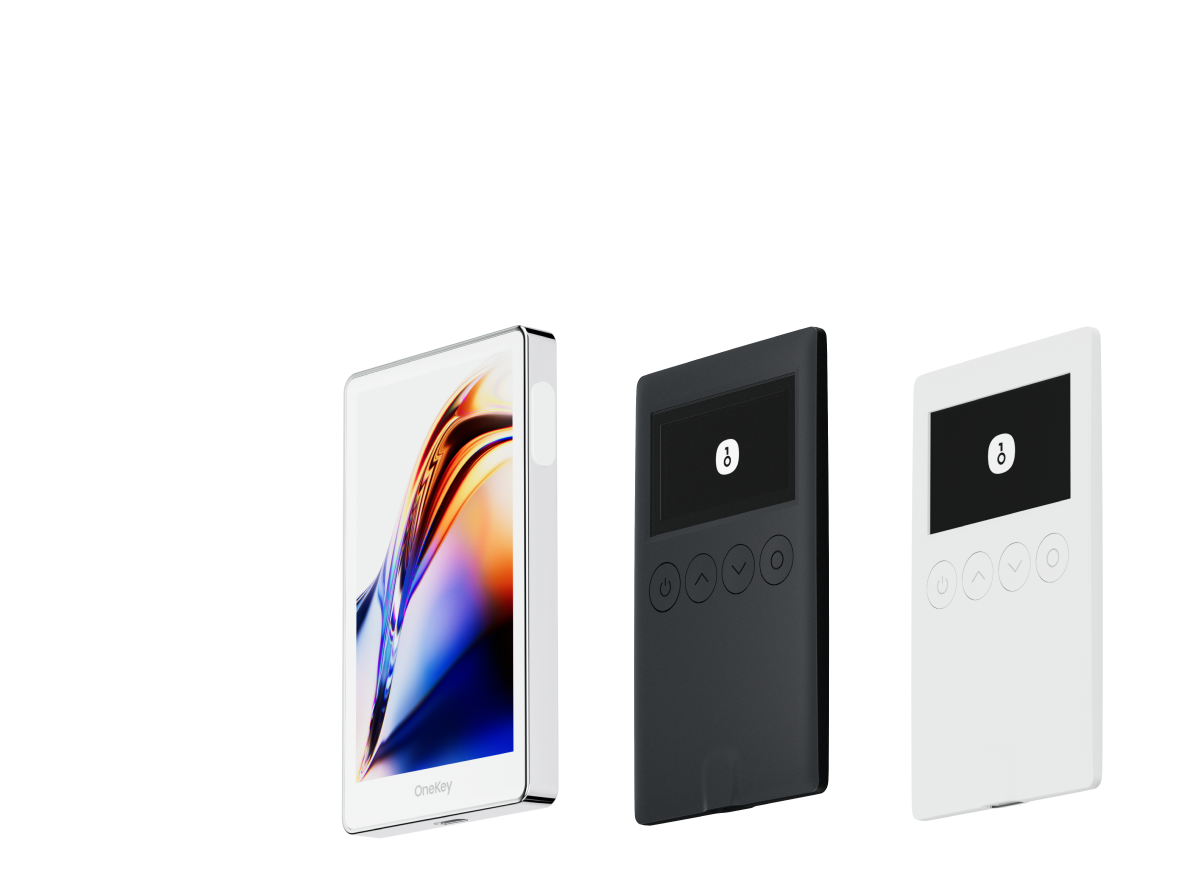
Owning SAND and LAND means holding bearer‑style cryptographic keys. If keys are compromised, assets can be irreversibly lost. A hardware wallet keeps private keys offline and confirms transactions on a secure screen, mitigating malware and phishing risks during gameplay, marketplace trades, and governance actions.
- With OneKey, you can:
- Securely store SAND (ERC‑20) and LAND (ERC‑721) on Ethereum, and interact with Polygon via supported wallets and dApps.
- Review transaction details on a dedicated screen before signing, reducing the risk of malicious approvals.
- Use WalletConnect with supported dApps to vote on governance or list NFTs while keeping keys offline.
- Benefit from an open‑source stack and a straightforward UX designed for multi‑chain asset management.
If you plan to build, trade, or vote regularly in The Sandbox ecosystem, upgrading to hardware‑backed self‑custody is one of the most effective ways to reduce operational risk.
Final Thoughts
The Sandbox continues to pioneer an on‑chain creator economy where virtual land and game assets are owned by users and monetized with SAND. As the platform evolves toward deeper DAO participation and scales usability on networks like Polygon, secure self‑custody and careful contract verification will remain essential.
Explore more:
- The Sandbox
- The Sandbox Docs
- The Sandbox Marketplace
- CoinMarketCap – The Sandbox (SAND)
- Binance Research – The Sandbox
- Polygon documentation
- SAND on Etherscan
- Etherscan Token Approval Checker
By understanding how SAND works, how LAND derives value, and how to manage keys safely, you’ll be well positioned to participate in the metaverse economy with confidence.