What Is SUN Token? Driving Liquidity and Yield on Tron Network


Key Takeaways
• SUN is the native governance and incentive token for Sun.io, a DeFi platform on Tron.
• Liquidity mining allows users to earn SUN by providing liquidity to various pools.
• The Tron network is a leading platform for stablecoin transactions due to its low fees and high throughput.
• Users can influence reward allocations through vote-escrowed mechanics by locking their SUN tokens.
• Staying informed about stablecoin availability and governance dynamics is crucial for maximizing yields.
The Tron network has grown into one of the most transacted public chains, especially for stablecoin transfers and low-cost payments. Within this ecosystem, the SUN token plays a central role in directing liquidity and yield on Tron by powering the governance and incentives behind Sun.io, a one-stop platform for stablecoin swaps, liquidity mining, and staking built for TRC-20 assets. If you are exploring DeFi on Tron, understanding SUN is essential for navigating how rewards are allocated and how liquidity is attracted and retained.
A quick primer on Tron DeFi
Tron focuses on high throughput, near-instant finality, and low fees, which has made it a popular venue for stablecoin activity. The network’s TRC-20 version of USDT accounts for a significant portion of Tether’s circulating supply, underlining Tron’s payment and settlement footprint. You can verify stablecoin breakdowns on Tether’s official Transparency page for current chain distributions at the time you read this reference jump.
At the same time, the stablecoin landscape on Tron continues to evolve. For example, Circle announced it would discontinue USDC on Tron in 2024, a reminder that asset availability and liquidity profiles on each network can change over time. Circle’s notice remains a useful reference if you want the background on that decision, reference jump.
Despite shifting parts, Tron’s base throughput and stablecoin velocity have kept the ecosystem active. That creates a strong foundation for platforms like Sun.io to coordinate liquidity and yield, with SUN at the center.
What is SUN?
SUN is the native governance and incentive token of Sun.io, a DeFi platform on Tron that specializes in stablecoin swaps and liquidity mining. Conceptually, Sun.io is similar to other stable-swap AMMs: it focuses on low-slippage swaps between correlated assets (e.g., stablecoins), while distributing incentives to attract liquidity.
Key roles of the SUN token include:
- Governance: SUN holders can participate in protocol decisions and parameter updates for Sun.io. See the Sun.io documentation for specifics, reference jump.
- Incentives and rewards: Liquidity providers can earn SUN through liquidity mining programs across supported pools.
- Vote-escrowed mechanics: By locking SUN for a period, users typically receive vote-escrowed voting power (commonly referred to as veSUN in documentation), which can influence reward allocations and boost yield on selected pools. Details evolve via governance and are best checked in the Sun.io docs, reference jump.
For circulating supply, emission schedules, and market data, consult a live market tracker such as CoinMarketCap’s SUN overview, reference jump.
- Sun.io Docs: reference jump
- SUN market overview: reference jump
How Sun.io drives liquidity
Sun.io’s design centers on liquidity depth and efficient stablecoin routing:
- Stable-swap AMM: Pools are optimized for minimal slippage between like-kind assets (e.g., USDT, USDD), which makes them attractive for large stablecoin swaps on Tron. Explore live pools on Sun.io, reference jump.
- Liquidity mining: LPs stake their pool tokens to earn additional rewards, commonly paid in SUN. Emissions and pool weightings can change via governance.
- Vote-locked incentives: By locking SUN, users can direct reward weights, align incentives, and potentially boost their own share of emissions in selected pools. This aligns liquidity incentives with long-term governance participation.
To assess traction, you can monitor Sun.io’s TVL and historical flows on DeFiLlama, reference jump.
The stablecoin angle: USDT, USDD, and beyond
Tron’s DeFi revolves heavily around stablecoins. Two important references here:
- USDT on Tron: A major share of Tether’s USDT circulates on Tron; see Tether’s Transparency site for current breakdowns, reference jump.
- USDD: The USDD stablecoin is managed by the TRON DAO Reserve; learn more about its design and collateralization framework on the official USDD site, reference jump.
Stablecoin yields on Sun.io depend on pool composition, fees, and incentives. Always verify a pool’s assets, liquidity depth, and rewards before depositing funds.
- Tether Transparency: reference jump
- USDD Official: reference jump
Latest context users care about
-
Asset availability: Some stablecoins may change their issuance policies on Tron, as seen with Circle discontinuing USDC on Tron in 2024. Always check the latest status from issuers and exchanges, reference jump.
-
Network growth: Tron continues to rank high for daily transactions and stablecoin transfers due to low fees and speed. For a higher-level network profile, see Messari’s Tron asset page, reference jump, and the official Tron site, reference jump.
-
DeFi incentives: Gauge voting, lock-based boosts, and “ve” token models can significantly influence realized yields. Users who lock governance tokens often direct more emissions to favored pools, but accept more illiquidity and governance risk.
-
Circle’s announcement: reference jump
-
Messari: Tron asset page, reference jump
-
Tron Official: reference jump
How to acquire and use SUN
-
On-chain: You can swap into SUN via Tron-native DEXs such as SunSwap, reference jump. You will need TRX for gas to execute transactions.
-
CEXs: Some centralized exchanges list SUN. Review listings, liquidity, and withdrawal fees, and always withdraw to a self-custody wallet you control.
-
Participate in liquidity mining: Provide liquidity to eligible Sun.io pools and stake LP tokens to earn incentives. Check Sun.io’s UI for live APRs, lock mechanics, and any boosting options, reference jump.
-
Track and verify: Confirm contract addresses on TRONScan before interacting with tokens or pools, reference jump.
-
SunSwap: reference jump
-
TRONScan token verification: reference jump
Risks to keep in mind
- Smart contract risk: AMMs, staking contracts, and reward distributors are code-based systems. Review audits and community reports where available.
- Stablecoin risk: Stablecoins carry issuer, collateral, and peg-stability risk. Diversify and understand how each asset maintains its peg.
- Governance and liquidity dynamics: Vote-locked models can concentrate influence. Emissions may shift quickly with governance outcomes.
- Impermanent loss: Even in stablecoin pools, de-pegs can cause loss relative to holding assets separately.
- Market volatility: SUN’s price and reward emissions can change, affecting net yields.
Security and self-custody best practices
Staying safe while farming yield matters as much as the APR itself:
- Use a hardware-backed self-custody setup so your private keys never touch an online device.
- Verify contract addresses on TRONScan and ensure you are on the correct domain for Sun.io.
- Approve minimal allowances where possible and periodically revoke unused approvals using trusted tooling.
- Keep a separate address for experimental strategies to isolate risk.
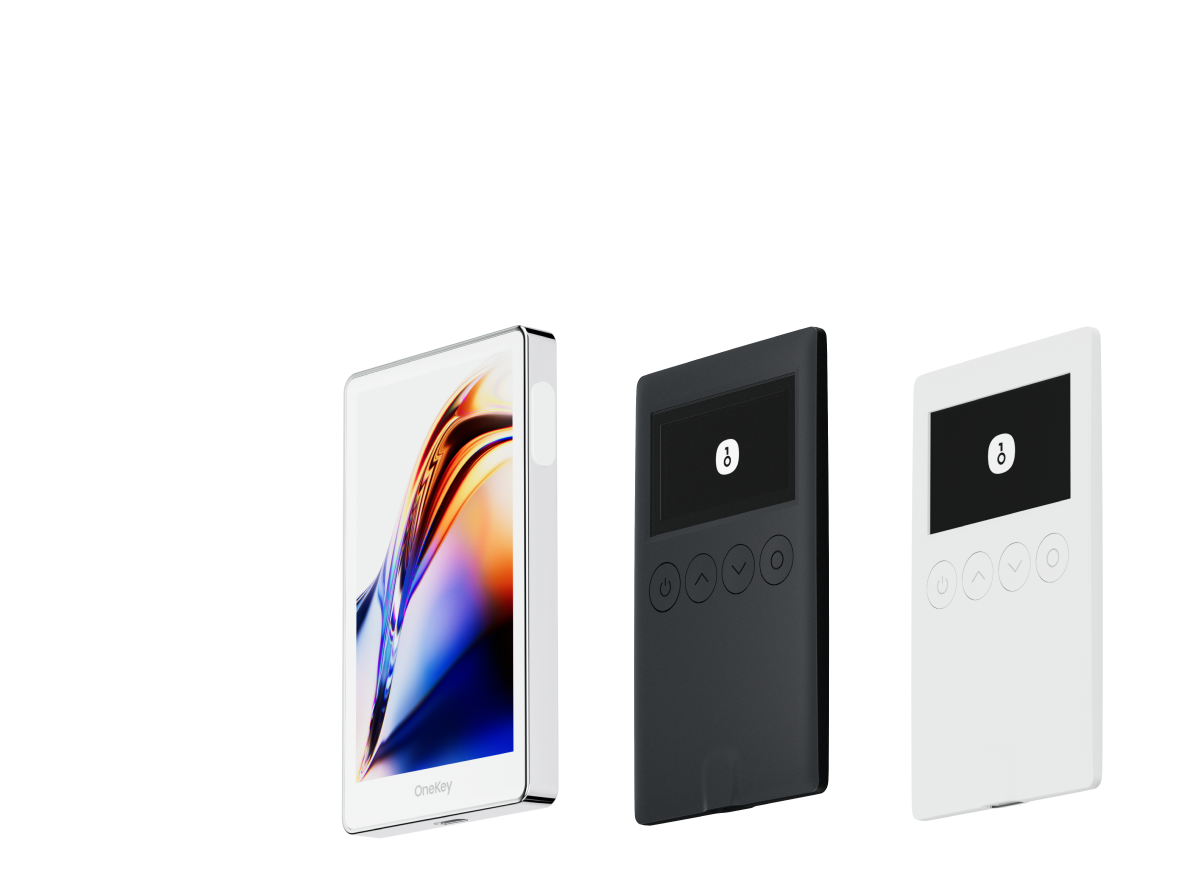
If you want a hardware wallet that prioritizes open-source firmware, offline signing, and multi-chain coverage (including TRON and TRC-20 assets), OneKey is a practical fit. With a OneKey hardware wallet and the OneKey App, you can:
- Generate and store keys securely offline with a secure element.
- Manage TRX, SUN, and other TRC-20 tokens without exposing seed phrases online.
- Sign DeFi transactions with on-screen confirmation, reducing phishing and approval risks.
- Connect to DApps via the OneKey Extension or supported connection methods, keeping the private keys in the hardware device at all times.
This setup lets you earn on Sun.io while maintaining strong operational security.
Bottom line
SUN is the coordination layer for Sun.io’s liquidity and yield on the Tron network. By combining stable-swap efficiency, liquidity mining, and vote-locked governance, Sun.io uses SUN to attract deep, stablecoin-centric liquidity. If you plan to participate, keep a tight focus on stablecoin risk, governance dynamics, and your self-custody posture—and consider a hardware wallet workflow to safeguard keys while you pursue yields.
References and further reading:
- Sun.io: https://sun.io
- Sun.io Documentation: https://sun-io.gitbook.io/sun-io-english/
- SUN on CoinMarketCap: https://coinmarketcap.com/currencies/sun-token/
- DeFiLlama: Sun protocol page: https://defillama.com/protocol/sun
- USDD official site: https://usdd.io
- Tether Transparency: https://tether.to/en/transparency
- TRONScan: https://tronscan.org
- SunSwap DEX: https://sunswap.com
- Circle announcement on USDC and Tron: https://www.circle.com/blog/usdc-on-tron-network-to-be-discontinued
- Tron Official: https://tron.network
- Messari: Tron asset profile: https://messari.io/asset/tron