What Is STBL Token? A Stable Asset for DeFi Ecosystems


Key Takeaways
• STBL is a generic ticker used by different protocols for USD-pegged tokens; there is no single, canonical STBL.
• Evaluate the specific STBL’s collateral model, liquidity, redemption, governance, and attestations before use.
• Regulatory regimes (like MiCA) and the rise of tokenized treasuries are reshaping the stablecoin landscape in 2024–2025.
• Use strong security practices, including a hardware wallet like OneKey, to mitigate approval and signing risks when interacting with STBL in DeFi.
Stablecoins are the backbone of decentralized finance (DeFi), powering liquidity, lending, and payments without the volatility of native crypto assets. “STBL” often appears across ecosystems as the ticker for a U.S. dollar–pegged stable asset. But here’s the catch: STBL is a generic ticker used by different protocols on different chains. There is no single, canonical “STBL token.” Instead, multiple projects may issue their own STBL with distinct designs, collateral models, and risk profiles.
This article explains how STBL-type tokens typically work, how to evaluate them before use, what’s changing in 2024–2025 for stablecoins broadly, and how to custody and use STBL safely in DeFi.
First things first: STBL is a ticker, not a unique token
Several DeFi protocols have adopted “STBL” as a ticker for their USD-pegged token at various times. Some projects sunset; others evolve. That means you must:
- Verify the specific contract address from the project’s official documentation.
- Confirm the token standard and chain (e.g., ERC‑20 on Ethereum, SPL on Solana).
- Check on-chain explorers and reputable analytics before interacting.
Useful references:
- Ethereum token standard overview: ERC‑20 on ethereum.org
- Solana token standard: SPL Token Program
- Multi-chain stablecoin data: DefiLlama Stablecoins Dashboard
- Block explorer lookup: Etherscan
If you see STBL on a DEX or portfolio tracker, treat it as a placeholder name. Always confirm you’re looking at the correct token for the correct protocol and chain.
How STBL-type stable assets are typically designed
While the ticker is shared, the underlying mechanism varies. Most STBL implementations will fall into one of these categories:
- Fiat reserve–backed: Tokens are issued against cash and short-dated treasuries held with custodians. These rely on off-chain reserves, attestations, and redemption rails. See an example of transparency practices from a major issuer: Circle’s transparency page.
- Overcollateralized crypto-backed: Tokens are minted by locking crypto as collateral with a liquidation mechanism to keep the peg, similar to how DAI works. Reference model: MakerDAO documentation.
- Liquidity- or LP-backed models: Peg stability is supported by deep on-chain liquidity pools and market incentives, sometimes using stable swap curves.
- Algorithmic or partially collateralized designs: Use market incentives and balance-sheet assets to maintain a peg. These can be complex and carry higher depeg risk.
Regulators and standard setters continue to outline risks and principles for “stablecoin arrangements,” particularly around governance, reserves, redemption, and operational integrity. A useful primer is the CPMI-IOSCO report hosted by the BIS.
How the peg is maintained
Regardless of model, STBL variants tend to maintain parity with USD via:
- Redemption and arbitrage: If the token trades below $1, arbitrageurs buy and redeem; above $1, they mint and sell.
- Collateral and liquidation rules: Overcollateralized systems incentivize health (or liquidate positions) to keep solvency.
- Deep liquidity and pricing oracles: Market depth and robust oracle feeds reduce slippage and stale pricing.
To evaluate a particular STBL’s peg design, look for:
- Collateral composition and concentration
- Frequency and quality of reserve attestations or audits
- Redemption mechanics and fees
- Oracle architecture and fallback mechanisms
- Liquidity depth across major DEXs and CEXs
Some issuers integrate on-chain proof-of-reserves to improve transparency. Learn more from Chainlink’s Proof of Reserves overview.
Where you’ll find STBL in DeFi
In practice, STBL-style tokens serve the same core functions as other stablecoins:
- Unit of account and settlement asset across DEXs and payment rails
- Collateral in money markets and lending protocols
- Base asset for yield strategies (e.g., lending, LPing, structured products)
- Treasury management for DAOs and on-chain businesses
To understand adoption, track supply, and liquidity for stable assets generally, consult aggregators such as DefiLlama’s stablecoin pages.
2024–2025: What’s new for stablecoins and why it matters for STBL users
The stablecoin landscape is evolving fast, and that affects STBL-labeled assets across chains:
- Europe’s MiCA regime is rolling out, with supervisory workstreams aimed at asset-referenced and e‑money tokens. See the EBA’s crypto-assets topic page under MiCAR.
- In the U.S., dedicated stablecoin legislation continues to progress. For context on the legislative track, see the Clarity for Payment Stablecoins Act on Congress.gov.
- Tokenized treasuries and real-world assets (RWA) on-chain are providing safer yield backdrops, indirectly supporting stablecoin liquidity and usage. A notable milestone was BlackRock’s tokenized fund launch on Ethereum: BlackRock press release.
- Yield-bearing “synthetic dollars” have entered the conversation, blending delta-hedged crypto positions and collateral strategies. For a reference architecture, review Ethena’s documentation.
These trends influence how new STBL variants may be launched (e.g., with enhanced disclosure or different collateral mixes) and how existing ones evolve to stay competitive and compliant.
A due diligence checklist before you use any STBL
Because STBL is not a single token, your evaluation must be protocol-specific:
- Official sources: Start with the project’s site and docs. Verify the token address and chain. Cross-check on explorers like Etherscan.
- Collateral model: Is it fiat-reserve, overcollateralized crypto, or hybrid? What’s the collateral concentration and liquidity profile?
- Attestations and audits: Are there regular third-party attestations? Is the code open source and audited? Are risk parameters explained?
- Redemption and liquidity: How do redemptions work? What are fees, limits, and settlement times? Is there deep liquidity on reputable DEXs?
- Oracle and risk controls: What oracles are used? Are there circuit breakers, caps, or guardians for abnormal conditions?
- Governance and permissions: Who can mint, pause, or blacklist? What are multisig thresholds and emergency powers?
- Bridge and chain risk: If the token exists cross-chain, which bridges are in use? Bridge exploits have historically been a major DeFi risk, as documented by Chainalysis.
If an STBL you encounter lacks clear documentation or verifiable contracts, treat it as high risk.
Security best practices for holding and using STBL
Stablecoins are convenient, but smart contract approvals and phishing remain real risks. A few practical steps:
- Self-custody with a hardware wallet: Isolate your private keys from internet-connected devices. This adds a strong layer of protection against key theft.
- Verify every contract: Only interact with contracts from official links. Prefer verified contracts on explorers and reputable audit disclosures.
- Limit token allowances: Grant only the needed spending limit and revoke unused token approvals regularly. Tools like revoke.cash and Etherscan’s Token Approval Checker help you see and manage allowances.
- Use reputable frontends and RPCs: Prefer known interfaces and consider running your own or trusted RPC endpoints for sensitive operations.
- Separate wallets by purpose: Keep a “cold” vault for long-term funds and a smaller “hot” allocation for active strategies.
Using STBL with OneKey hardware wallet
If you choose to hold or deploy STBL in DeFi, a hardware wallet helps reduce operational risk:
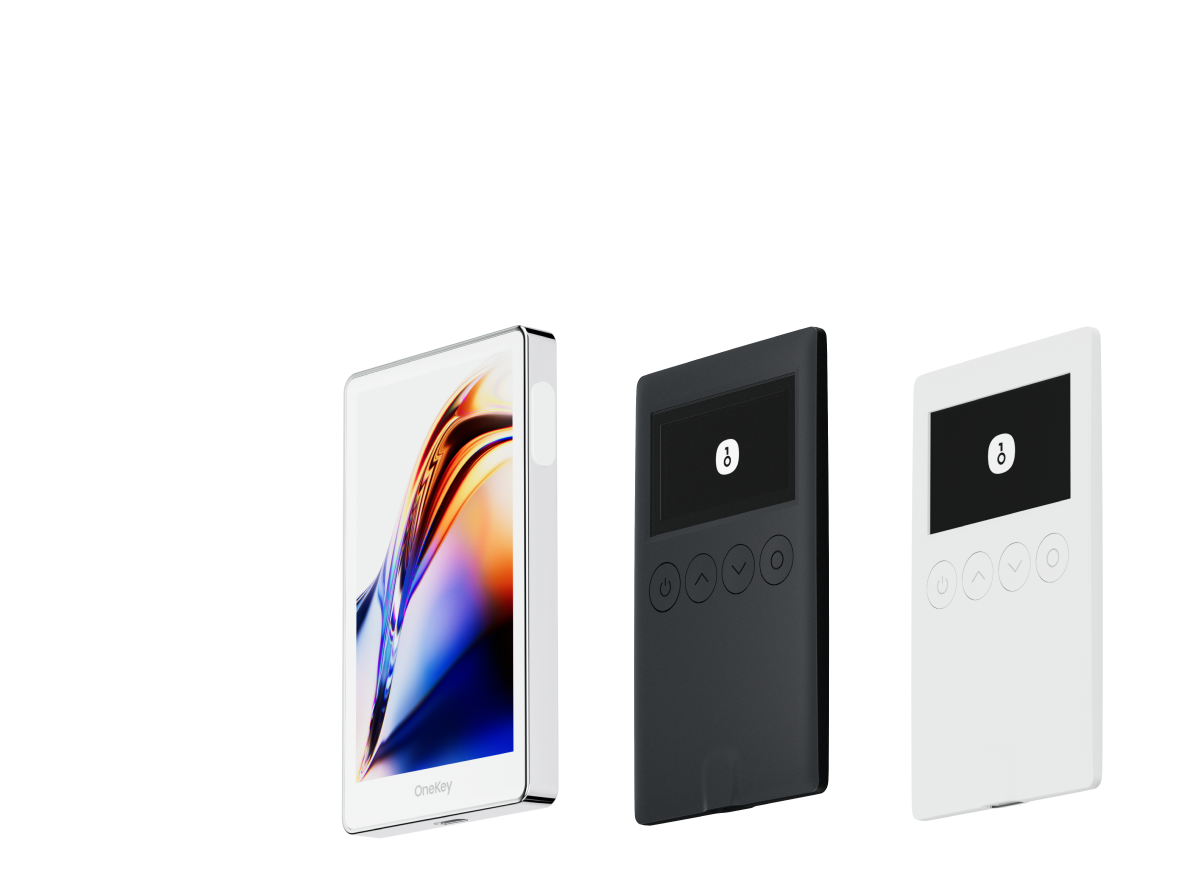
- Open-source and multi-chain: OneKey supports major networks and token standards (e.g., ERC‑20 on Ethereum, SPL on Solana), letting you custody STBL across ecosystems while keeping firmware transparent and verifiable.
- Transaction verification on-device: Critical details like recipient and amount show on the device screen for final confirmation, reducing the chance of signing malicious transactions.
- Seamless DeFi connections: Through WalletConnect and compatible desktop/mobile apps, you can lend, LP, and manage STBL positions while keeping private keys offline.
- Security features for advanced users: Passphrase support, address whitelisting workflows, and clear-signing make it practical to enforce strong operational hygiene.
This setup is especially helpful when managing token approvals and interacting with unfamiliar contracts—common tasks for stablecoin users.
Common questions
-
How is STBL different from USDC or DAI?
STBL is a ticker used by various projects; USDC and DAI refer to specific, widely recognized stablecoins with established issuers and mechanisms. Some STBL tokens may behave similarly to DAI (overcollateralized) or to fiat-backed models, but each STBL must be evaluated on its own terms. -
Can STBL be interest-bearing?
Some variants can be wrapped or deposited into protocols to earn yield. Others integrate yield sources natively. Understand where the yield comes from (lending spreads, treasuries, basis trades, incentives) and the associated risk. -
What chains support STBL?
It depends on the issuer. You may find STBL on EVM chains, Solana, or other ecosystems. Always verify the correct contract address and bridge version.
Key takeaways
- STBL is a generic ticker used by different protocols for USD-pegged tokens; there is no single, canonical STBL.
- Evaluate the specific STBL’s collateral model, liquidity, redemption, governance, and attestations before use.
- Regulatory regimes (like MiCA) and the rise of tokenized treasuries are reshaping the stablecoin landscape in 2024–2025.
- Use strong security practices, including a hardware wallet like OneKey, to mitigate approval and signing risks when interacting with STBL in DeFi.
This article is for informational purposes only and not financial advice. Always do your own research and verify token contracts from official sources before transacting.