What Is Solana (SOL)? The High-Speed Layer-1 Blockchain Explained


Key Takeaways
• Solana processes thousands of transactions per second with sub-second finality.
• The architecture includes innovative features like Proof of History and Sealevel for parallel transaction processing.
• SOL token is used for transaction fees, staking, and governance within the ecosystem.
• Recent developments like the Firedancer client aim to enhance network reliability and performance.
• Users should prioritize secure storage of SOL and consider hardware wallets for long-term holdings.
Solana is a high-performance Layer‑1 blockchain designed for low‑latency, low‑fee applications at internet scale. Its native token, SOL, powers transactions, staking, and on‑chain programs across a growing ecosystem of DeFi, NFTs, DePIN, payments, and real‑time consumer apps. If you’ve seen apps on Solana process thousands of transactions per second with sub‑second finality, that’s not a fluke—it’s by design. For a deep dive into the architecture and core concepts, the official documentation is an excellent starting point. See the overview and technical docs on Sealevel, Proof of History, and the validator pipeline at the Solana docs site.
- Proof of History (PoH): a cryptographic clock that orders events before consensus, reducing coordination overhead among nodes. Learn more in the architecture docs on Proof of History.
- Sealevel runtime: enables parallel transaction processing across independent accounts, increasing throughput versus single‑threaded execution environments. See the Sealevel section in the docs.
- Gulf Stream, Turbine, Pipelining: a transaction forwarding protocol, block propagation, and staged processing for high throughput networking. Explore the Gulf Stream and Turbine details in the documentation.
Anchors:
- Proof of History in Solana’s architecture: https://docs.solana.com/architecture/proof-of-history
- Sealevel parallel runtime: https://docs.solana.com/architecture/sealevel
- Turbine block propagation: https://docs.solana.com/architecture/turbine
- Gulf Stream transaction forwarding: https://docs.solana.com/architecture/gulf-stream
Why Solana Stands Out
- High throughput and low latency: Parallel execution and a fast validator pipeline allow Solana to process large volumes of transactions with low confirmation times. Developers target real‑time UX (like order‑book DEXs) without sacrificing decentralization. More on the performance model in the docs.
- Low fees at scale: Typical transaction fees are a fraction of a cent due to efficient execution and fee mechanisms. For an overview of token standards that relate to fees and advanced features, see the SPL Token and Token‑2022 docs.
- Rich on‑chain programs: Solana programs (smart contracts) manage accounts and state directly with a focus on efficient memory layout and concurrency—perfect for consumer-scale applications. Developer resources include the Anchor framework book for streamlined program development.
Anchors:
- SPL Token standard: https://spl.solana.com/token
- Token‑2022 extensions: https://spl.solana.com/token-2022
- Anchor framework book: https://book.anchor-lang.com/
What You Can Build on Solana
- DeFi: High‑speed order books and AMMs are common, with MEV management solutions emerging in the ecosystem. For insights into Solana MEV auctions and validator payments, see Jito’s overview.
- NFTs and compressed assets: State compression dramatically lowers the cost of storing large asset sets on‑chain, enabling massive scale use cases. Read the Solana Foundation’s explainer on state compression and compressed NFTs.
- DePIN and real‑world networks: The Helium Network migrated to Solana to leverage its speed and cost efficiency while supporting millions of devices and transactions.
Anchors:
- Jito MEV overview: https://www.jito.network/
- State compression explainer: https://solana.com/news/state-compression
- Compressed NFTs: https://solana.com/news/compressed-nfts
- Helium’s migration announcement: https://www.helium.com/blog/helium-migrates-to-solana
Recent Developments (2024–2025)
Solana’s pace of innovation is rapid, and recent milestones highlight a path to even more resilient performance:
- Firedancer: A new high‑performance validator client by Jump Crypto, designed to increase throughput, improve networking, and diversify client implementations (reducing single‑client risks). Firedancer went live on testnet in late 2024, with ongoing progress toward broader adoption in 2025. See Jump Crypto’s technical overview and CoinDesk’s coverage.
- Network reliability: The network experienced a notable outage in February 2024 and subsequently shipped upgrades to address congestion, scheduler prioritization, and QoS on mainnet. Continuous releases by core client teams aim to improve stability and responsiveness under peak load.
Anchors:
- Firedancer client overview: https://jumpcrypto.com/firedancer/
- Firedancer testnet coverage: https://www.coindesk.com/tech/2024/10/02/solana-jump-cryptos-firedancer-goes-live-on-testnet/
- Feb 2024 outage report: https://www.coindesk.com/tech/2024/02/06/solana-blockchain-hit-by-outage/
- Core client updates and releases: https://www.anza.xyz/blog/
SOL Token Utility and Staking
SOL serves multiple roles:
- Transaction fees: Paid in SOL for program execution and data writes on‑chain.
- Staking and security: Delegators stake SOL to validators to secure the network and earn rewards. Validators use stake weight to participate in consensus. Read the staking overview in the official documentation.
- On‑chain governance and utility: SOL is integral to program interactions and SPL token ecosystems, with Token‑2022 enabling features like transfer fees, interest‑bearing tokens, and more.
Anchors:
- Staking overview: https://docs.solana.com/staking
- SPL Token‑2022 extensions: https://spl.solana.com/token-2022
Fees and Performance, Explained
Solana’s fee model includes:
- Base fee: A minimal cost per transaction unit.
- Priority fees: Users can optionally include priority fees to get transactions processed faster during congestion.
- Localized fee markets: Fees can vary by resource contention across accounts/programs rather than applying a single chain‑wide fee.
For a technical grounding, consult the runtime and fee‑related sections in the official docs: https://docs.solana.com/
Developer Stack and Tooling
- Languages: Rust and C are most common for on‑chain programs, with SDKs for TypeScript and other languages for client interactions.
- Frameworks: Anchor simplifies program development with IDL generation, testing, and client bindings.
- Token standards: SPL Token and Token‑2022 enable diverse asset behaviors, including token metadata, off‑chain or compressed data, and programmable features.
Resources:
- Anchor framework book: https://book.anchor-lang.com/
- SPL Token standard: https://spl.solana.com/token
Risks to Consider
- Network outages and congestion: Like any performant blockchain, Solana has had periods of instability under extreme load. Core client teams and alternative clients (like Firedancer) aim to reduce these risks, but they remain part of the trade‑off landscape. See CoinDesk’s reporting on outages and client progress.
- Ecosystem immaturity in certain niches: Fast‑moving features (e.g., MEV auctions and token extensions) require careful evaluation before use in production or treasury management.
- Regulatory uncertainty: Solana’s global footprint means laws and financial regulations can vary widely. Always assess jurisdictional risks and compliance needs for your use case.
Anchors:
- Outage coverage: https://www.coindesk.com/tech/2024/02/06/solana-blockchain-hit-by-outage/
- Firedancer progress: https://jumpcrypto.com/firedancer/
Getting Started: Using and Storing SOL Securely
- Choose a wallet that supports SOL and SPL tokens, and verify how it handles transaction simulation, priority fees, and program interactions. The official Solana wallet overview can help you evaluate options.
- Use hardware wallets for long‑term storage of SOL to keep private keys offline and reduce exposure to malware or phishing.
- For dApps, consider a separate “hot” wallet with minimal funds, and keep your main holdings in cold storage. Regularly review approvals, revoke unnecessary permissions, and monitor validator/delegation health.
Anchors:
- Solana wallets overview: https://solana.com/docs/wallets
Where OneKey Fits In
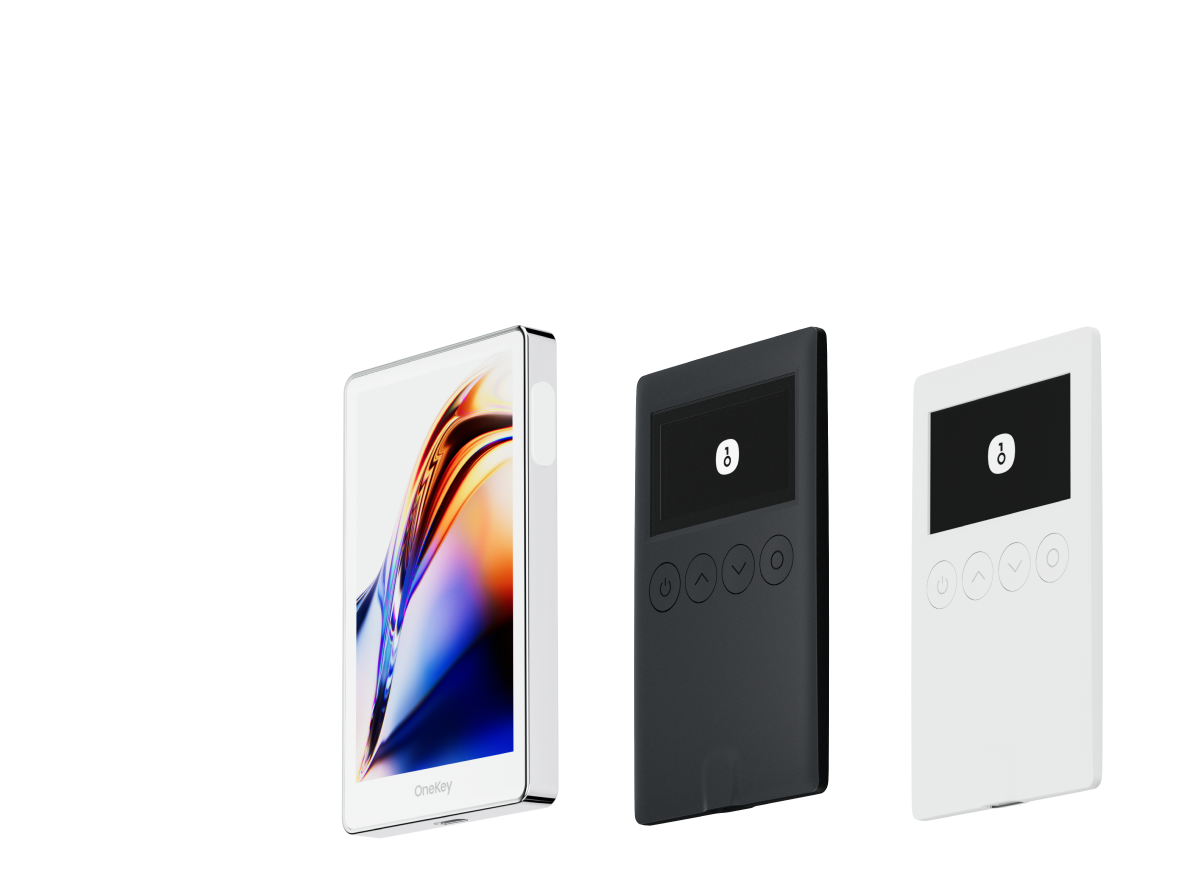
If you hold SOL for the long term, a hardware wallet adds a strong security layer. OneKey is an open‑source hardware wallet that stores your private keys offline and supports SOL and SPL tokens, while its companion software makes it straightforward to interact with Solana dApps through secure signing flows. For users who actively participate in DeFi or manage multiple program interactions, separating a OneKey device for cold storage from a hot wallet used for daily on‑chain activity is a practical approach to mitigate risk.
Bottom Line
Solana’s architectural choices—Proof of History, a parallel runtime, and an optimized validator pipeline—enable high throughput at low cost, unlocking consumer‑grade blockchain applications. With client diversity advancing through Firedancer and ongoing reliability improvements on mainnet, Solana is positioning for broader adoption in 2025. As always, pair innovation with disciplined key management and security practices to protect your SOL and on‑chain assets.