What Is SKALE (SKL)? The Token for Scalable Ethereum Networks


Key Takeaways
• SKALE provides elastic, EVM-compatible chains for dedicated application execution.
• Users experience zero gas fees as costs are covered by developer subscriptions.
• SKL token is used for staking, validator incentives, and network resource payments.
• SKALE aims to enhance user experience by ensuring fast transactions and predictable costs.
• Security is pooled through validator staking, linking SKALE to Ethereum's security model.
SKALE is an Ethereum‑native modular scaling network designed to make dApps fast, user‑friendly, and cost‑efficient by running app‑specific chains that inherit security from Ethereum. Its native token, SKL, powers staking, validator incentives, and network subscriptions, enabling a “gasless” experience for end users while preserving Ethereum compatibility. In this guide, we break down how SKALE works, what SKL does, and why it matters for builders and users in 2025.
Quick Take: Why SKALE Exists
Ethereum’s global security and decentralization come with constraints: limited throughput and variable fees. SKALE’s answer is elastic, EVM‑compatible chains (often called SKALE Chains) that let developers spin up dedicated execution environments with pooled security and fast finality. End users can interact with dApps without paying gas directly, while developers sponsor network resources via subscriptions.
- EVM compatibility means you can deploy Solidity contracts and use familiar tooling.
- Pooled security ties SKALE to Ethereum through staking and validator coordination.
- Zero‑gas UX is achieved by shifting costs to dApp subscriptions, not users.
Learn more about Ethereum scaling and the broader context on the official docs at Ethereum.org.
Reference: Ethereum scaling overview
How SKALE Works
SKALE is built around a few core ideas:
-
Elastic Chains: Developers launch dedicated chains tailored to their application’s needs (gaming, social, DeFi). These chains are elastic—resources can be right‑sized and reallocated as demand changes.
Reference: SKALE Network overview -
Pooled Security via Validators: Validators stake SKL and operate nodes that are randomly assigned to secure multiple SKALE Chains. This reduces the risk of collusion and provides shared security anchored to Ethereum. Rewards are paid in SKL for honest participation.
-
EVM Compatibility and Fast Finality: SKALE supports the Ethereum virtual machine and standard tooling (Solidity, Web3 libraries), aiming for low‑latency block confirmations and high throughput.
-
Gasless UX: Rather than charging end users per transaction, SKALE lets dApps sponsor resources (like compute and storage) through network subscriptions. Users see “zero gas” at the point of interaction.
Reference: SKALE documentation -
Interoperability and Bridging: SKALE integrates bridges to move assets and messages between Ethereum and SKALE Chains. Bridging is powerful but introduces risk; users should understand how bridges work and verify endpoints.
Reference: Ethereum bridges explained
For an introduction straight from the source, see the official SKALE website.
Reference: SKALE Network
What Is SKL?
SKL is the ERC‑20 utility token for SKALE. Its primary functions include:
-
Staking and Validator Incentives: Validators stake SKL to participate and earn rewards for securing chains. Delegators can stake to validators and share rewards (staking terms and mechanisms vary by network policy and validator settings).
Reference: SKALE docs: validators & staking -
Network Subscriptions: Developers use SKL to pay for SKALE Chain resources, turning on gasless UX for their users.
-
Governance and Protocol Economics: SKL may be used in governance or protocol upgrades depending on SKALE’s evolving community frameworks and tooling.
For market and token details (supply, contract address, exchanges), consult reputable data aggregators.
Reference: SKALE (SKL) on CoinMarketCap
Reference: SKALE asset profile on Messari
What Can You Build on SKALE?
Because SKALE is EVM‑compatible and optimized for user experience, it’s well‑suited for:
- GameFi: High‑frequency actions, micro‑transactions, and NFT minting with near‑instant confirmations and zero gas for players.
- Social and Creator Apps: Activity feeds, content gating, and token/NFT mechanics without passing network fees to users.
- DeFi and On‑Chain Services: DEXs and yield protocols that rely on fast settlement while minimizing UX friction, especially for retail users.
Explore ongoing releases and featured dApps on the SKALE blog.
Reference: SKALE blog
2025 Check‑In: What’s New and What Users Care About
In 2025, users continue to demand practical UX—fast transactions, predictable costs, and simple onboarding. SKALE’s “dApp‑sponsored gas” model, plus dedicated chains, aims to meet those needs while staying within the Ethereum ecosystem. Builders increasingly evaluate:
- Throughput requirements and latency targets for gaming/social apps
- Cost predictability compared to per‑transaction gas
- Bridging strategy and asset custodian risk
- Security model differences versus rollups or sidechains
For up‑to‑date announcements, new chain launches, and ecosystem metrics, follow the official news feed.
Reference: Latest updates on the SKALE blog
Risks and Considerations
-
Bridge Risk: Using bridges introduces smart contract and operational risks. Always verify bridge contracts and endpoints and consider the trust assumptions.
Reference: Ethereum bridges overview -
Token Volatility: SKL price can be volatile. If you stake, understand lock‑ups, slashing conditions, and validator reliability via official documentation.
Reference: SKALE docs -
App‑Specific Security: Dedicated chains can isolate performance issues, but app teams should still conduct audits, practice safe deployment, and monitor runtime behavior.
How to Hold SKL Safely
SKL is an ERC‑20 token on Ethereum. Best practices include:
-
Verify the token contract via a trusted data source (aggregators or official project links).
Reference: SKALE (SKL) on CoinMarketCap -
Use self‑custody with secure key management. Hardware wallets help protect private keys from malware and phishing.
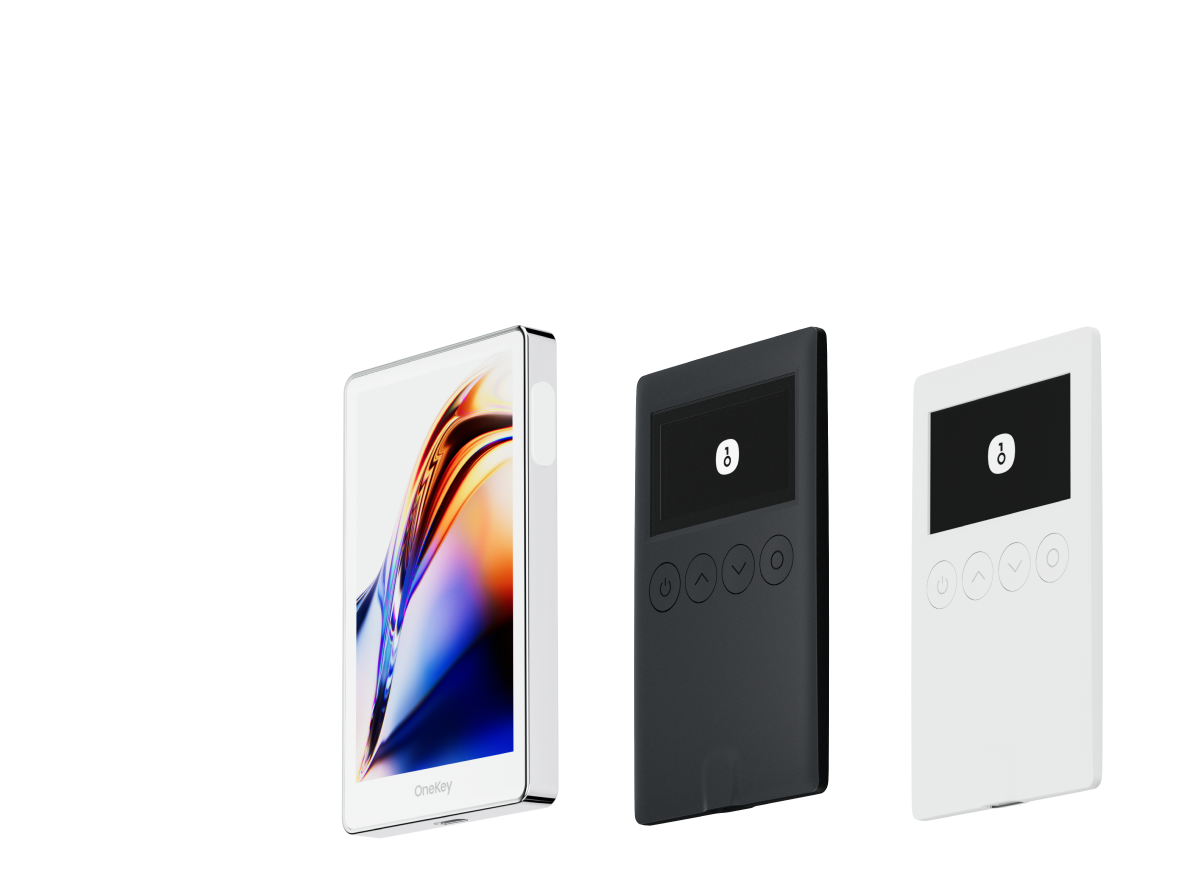
If you want multi‑chain coverage and a secure, open approach to self‑custody, OneKey hardware wallets offer:
- EVM compatibility for ERC‑20 assets like SKL
- Open‑source software and transparent design
- Simple backup and recovery flows, plus offline signing for improved security
That makes OneKey a practical choice for long‑term SKL holders who value self‑custody and plan to interact with Ethereum dApps securely.
Who Should Consider SKALE?
- Developers needing high throughput and low‑friction UX without leaving the Ethereum tooling stack
- Game studios and consumer apps seeking “gasless” experiences
- Users who prefer cost‑predictable apps and self‑custody of assets
Bottom Line
SKALE aims to bring everyday usability to Ethereum by pairing app‑specific chains with pooled security and zero‑gas UX. SKL is the token that makes this model work—powering staking, incentives, and subscriptions. As dApps compete on experience in 2025, SKALE’s approach aligns with what users want: fast, familiar, and affordable.
Before participating—whether holding, staking, or deploying—review the official documentation and keep security front‑and‑center.
References: SKALE Network • SKALE documentation • SKALE (SKL) on CoinMarketCap • Ethereum scaling overview • Ethereum bridges explained