What Is Shiba Inu (SHIB)? The Meme Coin That Rivaled Dogecoin


Key Takeaways
• SHIB is an ERC-20 token on Ethereum, with a large community and ecosystem.
• The Shiba Inu ecosystem includes ShibaSwap, Shibarium, and multiple tokens like BONE and LEASH.
• Token burns and supply management are key aspects of SHIB's long-term strategy.
• SHIB differs from Dogecoin in technology and ecosystem features, focusing on DeFi and governance.
• Security, smart-contract risks, and proper storage practices are crucial for SHIB holders.
Shiba Inu (SHIB) started as a playful experiment on Ethereum and quickly grew into one of the world’s most recognizable meme coins, often compared with Dogecoin in both community enthusiasm and market attention. Today, SHIB is more than a viral token: it anchors an expanding ecosystem that includes ShibaSwap, the Shibarium layer-2 network, and ongoing burn initiatives aimed at managing supply. This guide explains what SHIB is, how it works, where it fits in crypto’s evolving landscape, and how to store it safely.
SHIB at a Glance
- Network: Ethereum (ERC‑20), with ecosystem activity on Shibarium (an Ethereum layer‑2)
- Supply: Initially 1 quadrillion; a large portion was later burned or removed from circulation
- Ecosystem tokens: SHIB (primary token), BONE (governance and Shibarium gas), LEASH (limited‑supply token)
- Core components: ShibaSwap DEX, Shibarium L2, community‑driven burn programs
For live market data and ranking within the meme coin category, see SHIB on CoinMarketCap and the broader Memes category.
Origins, Tokenomics, and the “Ryoshi” Story
SHIB was launched in 2020 by a pseudonymous founder known as “Ryoshi” as an ERC‑20 token on Ethereum. The token’s enormous initial supply and dog‑themed branding attracted a grassroots community, fueling a viral rise in 2021. In a pivotal moment, Ethereum co‑founder Vitalik Buterin burned a substantial share of SHIB’s supply and donated a portion to charity, an event that permanently shaped the token’s circulating dynamics. Vitalik’s explanation of the burn and donation is publicly documented on his blog (see this post).
Because SHIB lives on Ethereum as an ERC‑20, transfers and smart‑contract interactions follow Ethereum standards; if you’re new to ERC‑20 tokens, the Ethereum docs are a useful primer.
The SHIB Ecosystem: ShibaSwap, BONE, LEASH
Shiba Inu’s ecosystem extends beyond SHIB:
- SHIB: The flagship token used for transfers, trading, and community activities.
- BONE: The governance token of the ecosystem and the gas token for Shibarium.
- LEASH: A lower‑supply token originally conceived for special incentives and access.
ShibaSwap is the ecosystem’s decentralized exchange where users can swap tokens and provide liquidity. For an overview of trading activity and supported pairs, see ShibaSwap on CoinGecko. Official resources and project updates are hosted at the Shiba Inu site.
Note: “Staking” or yield features on any DEX come with smart‑contract risk. Review independent security best practices before depositing funds (see ConsenSys’s Smart Contract Best Practices).
Shibarium: Moving Activity to Layer‑2
To address gas fees and improve user experience, the Shiba Inu community launched Shibarium, an Ethereum layer‑2 network designed to support cheaper and faster transactions for ecosystem dApps. Developers and users can find technical documentation at the Shibarium docs. For background on how Ethereum layer‑2 scaling works in general, see the Ethereum L2 overview.
Bridging assets between Ethereum and Shibarium introduces additional risk—bridges are complex and have been targets of exploits across the industry. Before bridging, understand the trust assumptions and contract security of each bridge. A good resource to learn about bridge risk profiles is L2BEAT Bridges.
If you plan to add Shibarium to a wallet as a custom network, always verify RPC and chain details via official documentation. Community tools like Chainlist can assist in discovering network parameters, but you should cross‑check with the Shibarium docs before proceeding.
Burns and Supply Narratives
Part of SHIB’s long‑term narrative revolves around token burns—sending tokens to non‑recoverable addresses to reduce supply. Community burn initiatives have been tracked by third‑party dashboards such as Shibburn. While burns can be meaningful symbolically and may influence supply over time, price formation ultimately depends on broader market dynamics, liquidity, and utility. Treat burn metrics as one input among many.
How SHIB Compares to Dogecoin
While both SHIB and Dogecoin share meme origins and dog branding, they differ technologically and economically:
- SHIB is an ERC‑20 token on Ethereum, with access to the broader EVM ecosystem and smart contracts. Dogecoin is a standalone blockchain with its own consensus and supply mechanics.
- SHIB’s ecosystem includes DeFi (ShibaSwap), a layer‑2 (Shibarium), and multi‑token governance. Dogecoin focuses on peer‑to‑peer payments and a simpler monetary model.
For context on market standings and liquidity, see SHIB on CoinMarketCap and DOGE on CoinMarketCap.
Where SHIB Fits in 2025’s Meme Coin Cycle
Memecoins have continued to capture attention across market cycles because they blend internet culture with speculation and viral narratives. In periods of risk‑on sentiment, meme assets often see sharp inflows, heightened volatility, and rapid community growth. Research outlets have discussed how retail participation, social engagement, and exchange listings can drive sector cycles (for example, see Binance Research’s analysis of the 2024 memecoin season). Regardless of market phase, remember that memecoins can experience extreme drawdowns, and prudent risk controls are essential.
Key Risks to Consider
- Smart‑contract and bridge risk: DEXes, staking contracts, and L2 bridges can be exploited. Read audits and follow best practices (see ConsenSys’s Smart Contract Best Practices and L2BEAT Bridges).
- Liquidity and slippage: Thin liquidity pools can lead to high slippage, especially during volatile moves.
- Scams and phishing: Impersonation tokens and fake sites are common in meme communities. Bookmark official resources like shibatoken.com and docs.shibariumtech.com.
- Regulatory and tax: Crypto transactions may be taxable depending on your jurisdiction. U.S. readers can review the IRS guidance here: IRS: Virtual currency transactions are taxable. Broader crypto‑crime trends and patterns are summarized by Chainalysis.
How to Get and Use SHIB
- Acquire: SHIB is widely listed on centralized and decentralized exchanges. If you use a DEX, verify you’re interacting with the correct token contract address.
- Transfer: On Ethereum, SHIB transfers require ETH for gas. On Shibarium, BONE is used for gas.
- DeFi: Interact with ShibaSwap and other EVM dApps, being mindful of contract approvals and permissions.
- Bridge (optional): Move assets between Ethereum and Shibarium only via trusted routes referenced in official docs, and test with small amounts first.
Storing SHIB Safely
Self‑custody gives you control over your keys, but it also makes you responsible for security. Best practices include:
- Use a hardware wallet to keep private keys offline.
- Verify contract addresses and RPC endpoints before signing.
- Split holdings and use multiple wallets to reduce single‑point risk.
- Employ a passphrase and strong PIN, and back up seed phrases securely (never store them in cloud notes).
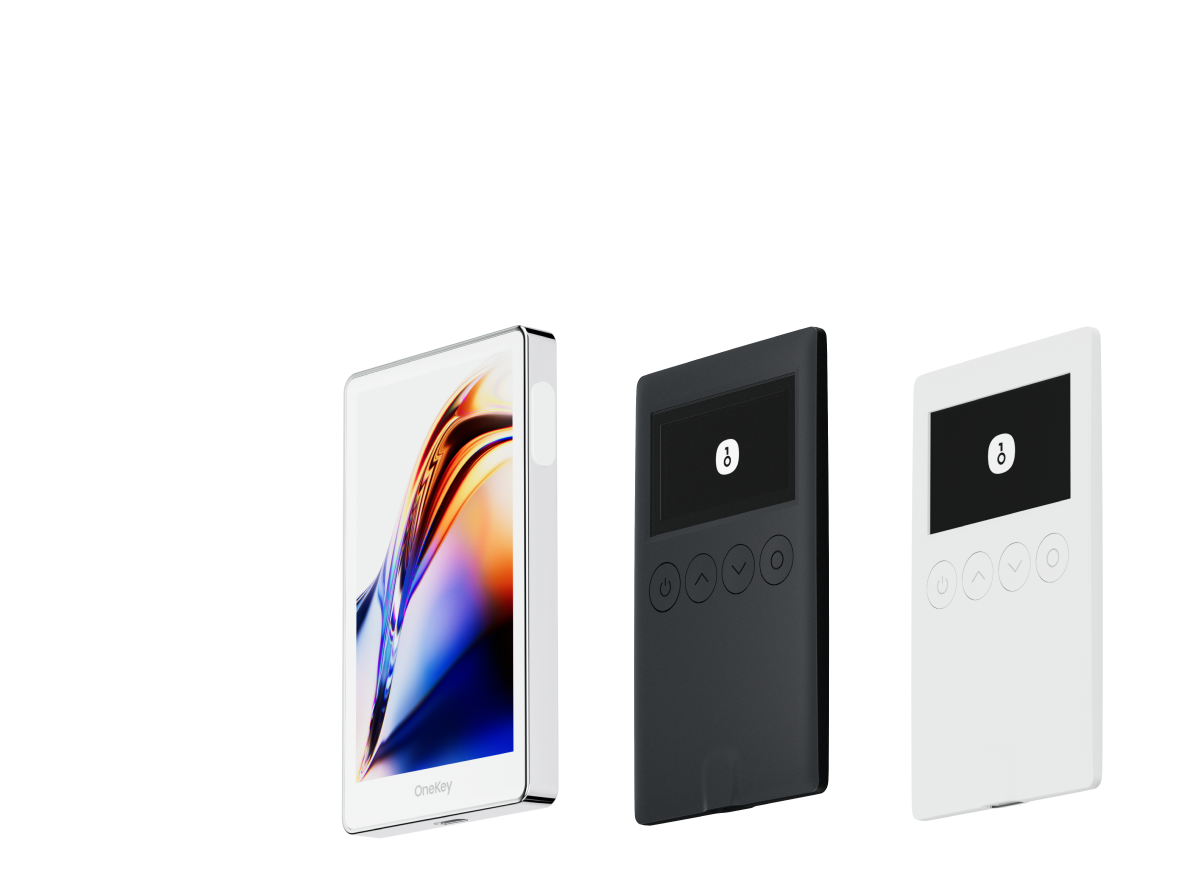
If you hold SHIB, BONE, or LEASH on Ethereum or plan to interact with Shibarium, a hardware wallet with robust EVM and custom‑network support is ideal. OneKey supports Ethereum and EVM networks, allows adding custom RPCs for ecosystems like Shibarium, and offers open‑source firmware with transparent build processes. That combination makes it easier to securely sign transactions on both Ethereum and Shibarium while maintaining offline key protection.
Final Thoughts
SHIB began as a meme, but it has matured into a multi‑token ecosystem with its own DEX and layer‑2 network. In 2025, SHIB still thrives on community momentum while experimenting with scaling and utility. If you choose to participate, balance the fun with security diligence: understand smart‑contract and bridge risks, confirm official resources before transacting, and store your assets with a hardware wallet aligned to EVM‑based workflows—such as OneKey—so you can explore ShibaSwap and Shibarium with confidence.