What Is SEI Token? The Layer-1 Blockchain for Trading Applications


Key Takeaways
• Sei is specifically designed for trading applications with strict performance requirements.
• The SEI token is essential for network security, transaction fees, and governance.
• Sei's architecture supports parallel execution and interoperability with other blockchains.
• Developers benefit from a multi-VM strategy and robust infrastructure for building trading dApps.
• Recent upgrades aim to enhance EVM compatibility and liquidity routing across ecosystems.
Sei is a Layer-1 blockchain designed from first principles to power trading-centric applications—order-book DEXs, perpetuals, NFT marketplaces, and high-frequency strategies—where latency, throughput, and reliability directly affect user experience and profitability. The SEI token secures the network, pays for gas, and participates in governance, providing the incentives and utility needed for a performant, developer-friendly ecosystem.
In this overview, we unpack Sei’s design goals, core technology, ecosystem, and what recent upgrades mean for builders and traders in 2025.
Why a Specialized Layer-1 for Trading?
Most smart contract platforms optimize for general-purpose computation. Trading applications, however, have stricter requirements:
- Low-latency confirmation and predictable finality for price-sensitive operations
- Efficient order execution and state updates under bursty load
- Resilience against congestion, MEV dynamics, and network instability
Sei targets these constraints with a streamlined architecture and execution model, aiming to minimize time-to-finality while maximizing parallelism and throughput. You can explore the project’s positioning and roadmap via the official site and documentation at Sei and Sei Docs.
Architecture and Key Features
-
Built with Cosmos SDK and Tendermint-style BFT consensus
Sei’s early versions leverage the proven tooling of the Cosmos stack, enabling modularity, fast finality, and interoperability. Learn more about the underlying framework at the Cosmos SDK documentation. -
Optimized execution for trading workloads
Sei emphasizes parallel execution paths and system-level optimizations to reduce contention and improve throughput during market volatility. This direction culminates in the v2 initiative to bring a parallelized EVM runtime alongside the Cosmos-native environment, giving builders broader tooling choices. For an architectural overview and developer guides, see the Sei Docs. -
Interoperability via IBC and cross-chain bridges
As a Cosmos-based chain, Sei supports the Inter-Blockchain Communication protocol for sovereign chain connectivity. See the IBC overview at Cosmos IBC. For routing liquidity across ecosystems, major bridges such as Wormhole and Axelar are commonly used by Cosmos projects.
SEI Token: Utility and Governance
SEI is the native token of the network. Its main functions include:
- Gas: Pay for on-chain transactions and smart contract interactions
- Staking: Delegate to validators to help secure the chain and earn rewards
- Governance: Vote on protocol parameters, upgrades, and resource allocation
Validators can be slashed for misbehavior, and delegators share security incentives and risks. As with any staking system, understand slashing conditions and lock-up periods before participating. Token profiles and market data can be found on CoinMarketCap and Messari.
Developer Experience
Sei’s development track emphasizes:
- Multi-VM strategy: Cosmos-native modules alongside an EVM-compatible runtime for broader tooling and liquidity access
- Parallelized execution: Reduce contention for high-throughput applications (e.g., order-book engines)
- Robust infra and libraries: SDKs, modules, and indexing tools to support real-time trading UIs
If you’re building or porting a trading dApp, start with the Sei Docs and the public code at the Sei Protocol GitHub.
Ecosystem and Use Cases
Trading-focused primitives on Sei typically include:
- Order-book and RFQ-based DEXs
- Perpetuals, options, and structured products
- High-frequency market-making and arbitrage systems
- NFT marketplaces with tighter settlement guarantees
On-chain liquidity and TVL fluctuate with market cycles. For a cross-chain view of liquidity, consult analytics dashboards such as DefiLlama’s Sei chain page.
Latest Developments to Watch in 2024–2025
-
Parallelized EVM rollout and developer tooling upgrades
Sei has been rolling out v2 upgrades to bring EVM compatibility and parallel execution, aiming to make trading workloads more efficient and predictable for users. Refer to official technical documentation and ongoing updates via Sei Docs. -
Interoperability and liquidity routing
Enhanced connectivity across Cosmos and EVM ecosystems remains a key theme, with bridges like Wormhole and Axelar facilitating cross-chain asset flows. -
Exchange listings and market participation
SEI is listed on several major exchanges, and liquidity conditions evolve with broader market sentiment. Check the latest listings and market pages on Coinbase and Binance.
As always, confirm mainnet upgrade phases and feature availability through official channels before deploying production workloads or moving significant funds.
How to Acquire and Store SEI
-
Buy SEI on regulated or reputable exchanges
Use verified market pages like Coinbase or Binance to evaluate liquidity and fees. -
Self-custody and security
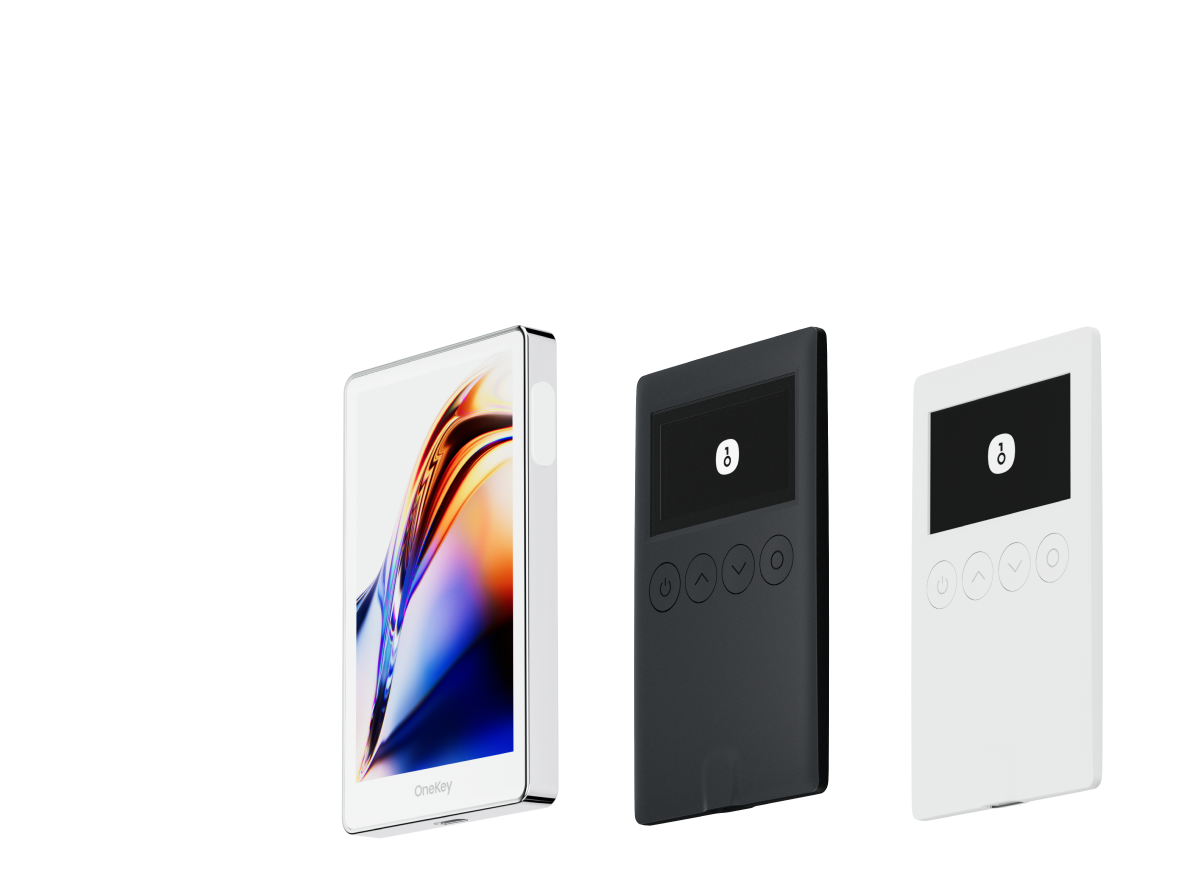
After purchasing, withdraw to a non-custodial wallet you control. For long-term holding or active governance/staking, consider a hardware wallet. OneKey provides air-gapped signing, open-source components, and multi-chain support, which can be important for assets that reside across Cosmos and EVM environments. If you regularly trade or stake, using OneKey to secure your seed while connecting to dApps via WalletConnect-compatible interfaces helps balance safety with usability. -
Staking and governance
If you delegate SEI to validators, understand bonding periods, reward mechanics, and slashing risks via the Sei Docs.
Risks and Considerations
- Smart contract and protocol risk: Bugs or misconfigurations can impact funds or availability
- MEV and execution risk: Trading strategies may be sensitive to front-running, latency, and ordering
- Bridge risk: Cross-chain transfers add attack surfaces; use well-audited, widely adopted bridges and verify endpoints
- Liquidity risk: TVL, spreads, and market depth can vary widely across market regimes
Bottom Line
Sei’s thesis is clear: trading applications need an execution environment designed for low latency, high throughput, and predictable finality. With a multi-VM approach, parallelized execution, and Cosmos-native interoperability, Sei aims to offer a specialized venue for builders and traders who demand more than generalized L1 performance.
If SEI is part of your strategy—whether for staking, governance, or building trading dApps—prioritize secure self-custody. A hardware wallet like OneKey can help you protect keys and operate confidently across Cosmos and EVM ecosystems while you tap into Sei’s evolving performance and liquidity landscape.