What Is SAGA Token? Building Scalable Chain Infrastructure


Key Takeaways
• SAGA token secures the network and coordinates economics for on-demand blockchains.
• The app-chain model allows applications to operate on dedicated chains, reducing congestion and fees.
• Saga provides tools for developers to launch and manage chains easily, focusing on operational simplicity.
• Validators stake SAGA to secure the network and earn rewards, aligning incentives across the ecosystem.
• Interoperability via IBC enables seamless asset transfers and communication between chains.
Saga is a Cosmos-based protocol that lets developers launch dedicated, production-ready blockchains on demand. The SAGA token powers this infrastructure: it secures the network, coordinates the economics of “on-demand chains,” and enables governance, turning Saga into a scalable, developer-first foundation for app-specific blockspace. Explore the project at the official site and documentation for a deeper technical view of the architecture and token utility: Saga website and Saga docs.
Why Saga Exists: The App‑Chain Thesis
General-purpose blockchains compete for shared blockspace, and success drives congestion and rising fees. The app-chain model flips that on its head: each application gets its own dedicated chain, tailored to its throughput, security, and fee needs, without being penalized by unrelated traffic. Cosmos helped pioneer this idea with interoperability and sovereign chains, which Saga automates and streamlines for modern teams. For background on the stack, see the Cosmos SDK and IBC.
Saga focuses on:
- Elastic blockspace: spin up chains when you need them, scale them as usage grows.
- Interoperability: connect to the wider Interchain via IBC, bridging liquidity and users.
- Operational simplicity: reduce DevOps burden with managed validator security and ready-to-ship tooling.
How Saga Works: Architecture in Brief
Saga sits at the intersection of modular infrastructure and app-chain design.
-
Shared security via staking
Validators stake SAGA and secure the Saga mainnet. App-chains (often called “Saga chains”) can inherit security and benefit from a standardized validator set. Token staking aligns incentives and distributes rewards to validators and delegators. High-level mechanics are outlined in the Saga docs. -
Interchain connectivity
Saga-based chains speak IBC for fast, lightweight interoperability across the Cosmos ecosystem, enabling asset transfers and cross-chain messages without trusted bridges. Learn more about IBC’s model here: Inter‑Blockchain Communication. -
Modular integration
As modular data availability and rollup tech mature, many teams evaluate hybrid designs that use dedicated execution plus external DA. For a primer on modular DA, see Celestia docs. Saga aims to make these choices accessible while giving developers control over fees, throughput, and sovereignty. -
Dev experience
Saga provides tooling to launch, monitor, and scale chains, including standardized configurations, networking, and validator provisioning. This reduces infrastructure toil so teams can ship features rather than maintaining consensus nodes. Details and best practices are covered in the Saga documentation.
What Is the SAGA Token?
SAGA is the native asset of the Saga network. Its primary roles include:
- Security: SAGA is staked by validators and delegators to secure the chain and earn rewards.
- Economic coordination: fees and chain provisioning costs are denominated in SAGA, aligning developer demand with network resources.
- Governance: token holders participate in proposals that shape parameters, upgrades, and ecosystem policy.
- Gas: the Saga mainnet uses SAGA for transaction fees; app-chains can set their own fee tokens while interoperating via IBC.
For a public overview of the project fundamentals, see the Binance Research profile of Saga.
Token Supply and Market Context
Supply schedules, market cap, and circulating figures can change over time. For the most current data (including exchange availability and price), consult CoinGecko’s SAGA page. Always verify token contracts and custody routes before transacting.
Latest Developments and 2025 Themes
- App‑chain adoption continues to grow across gaming, AI agents, and high-throughput DeFi. Dedicated blockspace keeps latency predictable while preserving sovereignty and composability via IBC. See the broader Cosmos developer landscape in the Cosmos SDK docs.
- Modular infrastructure trends (e.g., outsourcing DA) and specialized execution environments are converging, and many teams experiment with configurations that blend app‑chains and modular components. Reference material: Celestia docs.
- Liquidity routing and interchain user experience remain top priorities. DEXs like Osmosis help connect assets across IBC zones, making it easier for users to discover and trade tokens from app-chains. Explore the ecosystem DEX at Osmosis.
Check the official Saga site and Saga docs for current releases, roadmap updates, and developer announcements.
How to Acquire and Use SAGA
-
Centralized exchanges
SAGA is listed on multiple major exchanges; verify listings, jurisdictions, and fees with official exchange resources. Market data snapshots are available via CoinGecko. -
Cosmos‑native DEX
If you operate within the Cosmos ecosystem, you can swap through IBC-enabled DEXs such as Osmosis. Confirm routes, chains, and liquidity depth before placing large orders. -
Staking and governance
After acquiring SAGA, you can delegate to validators to earn staking rewards and participate in governance. Consult the Saga docs for current staking flows and validator information.
Security and Self‑Custody Best Practices
Self‑custody is critical for app‑chain builders, validators, and power users:
- Use hardware wallets for long‑term storage and operational keys. They keep private keys offline to minimize attack surfaces.
- Verify addresses, fee tokens, and IBC channels on‑device before signing.
- Maintain separate wallets for treasury, operations, and testing; rotate keys and audit access regularly.
- Keep recovery phrases in secure, offline locations; consider additional passphrases and access policies.
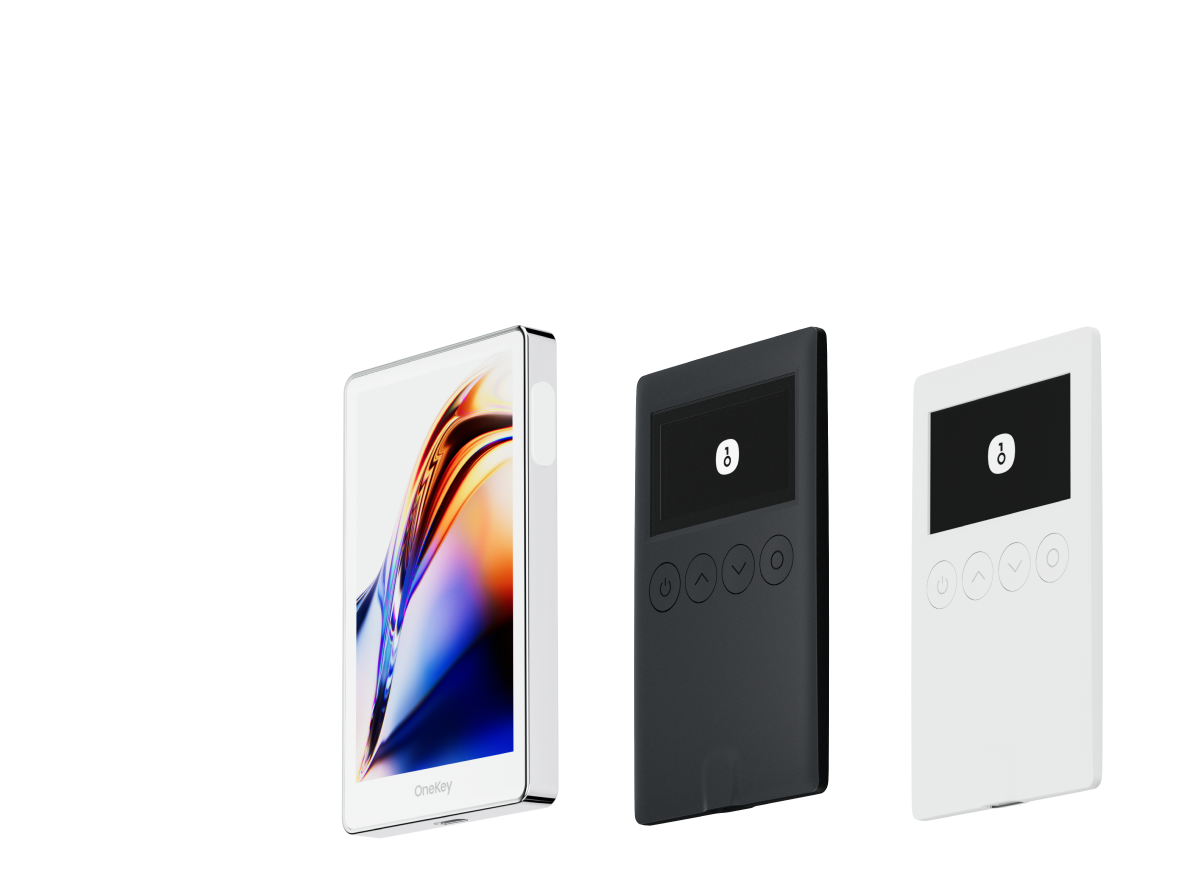
If you want to manage Cosmos and IBC assets with strong security and a streamlined UX, OneKey offers:
- Multi‑chain support, including Cosmos‑based networks and IBC flows via the OneKey App.
- Clear on‑device transaction verification and signing, helping prevent mis‑sends across varied chain configurations.
- A developer‑friendly workflow for teams that juggle staking, governance, and cross‑chain operations.
These features make OneKey a practical companion for users building or interacting with Saga‑based app‑chains.
Risks and Considerations
-
App‑chain complexity
While Saga reduces DevOps friction, launching and maintaining sovereign execution environments still requires careful planning around validators, monitoring, and upgrade cycles. -
Liquidity fragmentation
App‑chains can fragment liquidity across multiple zones. IBC and DEXs improve routing, but UX depends on wallets, relayers, and bridge support. -
Governance and token economics
Changes to staking parameters, fee models, or provisioning costs can affect long‑term incentives. Stay informed via official Saga documentation and governance channels. -
Regulatory and exchange risk
Listings and regional availability may change. Validate compliance and custody arrangements with your service providers; cross‑check market data with sources like CoinGecko.
Conclusion
SAGA is the coordination layer for Saga’s scalable chain infrastructure, aligning validator security, developer demand for dedicated blockspace, and governance in a single, interoperable stack. For teams betting on the app‑chain future, Saga’s model offers elasticity, operational simplicity, and deep Cosmos interoperability via IBC.
As you explore SAGA—whether staking, launching an app‑chain, or participating in governance—prioritize self‑custody and rigorous key management. A hardware wallet like OneKey can help you safely manage Cosmos and IBC assets while providing clear transaction verification across the multi‑chain workflows common in the Saga ecosystem. For the latest protocol details and network updates, start with the Saga website and the Saga docs.
Disclaimer: This article is for educational purposes only and not financial advice. Always do your own research and assess your risk tolerance before interacting with cryptoassets.