What Is RIF Token? Powering Decentralized Services on Rootstock


Key Takeaways
• RIF is a utility token that supports decentralized services on Rootstock, enhancing Bitcoin's functionality.
• Rootstock is an EVM-compatible sidechain that allows developers to build smart contracts secured by Bitcoin.
• RIF services include naming, identity, payments, and storage, making Web3 accessible to everyday users.
• RIF differs from RBTC, which is used for transaction fees, while RIF is for service consumption within the ecosystem.
• Security practices are crucial for managing RIF and RBTC, including using hardware wallets and verifying contract addresses.
The Bitcoin ecosystem is experiencing a new wave of innovation as developers look beyond simple value transfer to programmable, decentralized applications. Rootstock, the longest-running Bitcoin sidechain that is EVM-compatible, sits at the center of this shift. On top of Rootstock, the RIF token enables a suite of decentralized services designed for everyday users and builders.
This article explains what the RIF token is, how it works on Rootstock, how it differs from RBTC, and how you can use and secure it in practice.
Rootstock in a nutshell
Rootstock is a smart contract platform secured by Bitcoin’s hash power through merge-mining, while maintaining full compatibility with the Ethereum Virtual Machine. That means developers can deploy Solidity contracts and users can interact with decentralized apps using familiar tooling—except settlements occur on a network anchored to Bitcoin’s security model. Learn more about the network’s architecture on the official Rootstock site at rootstock.io and the technical guides in the Rootstock developers portal.
Rootstock uses RBTC (Smart Bitcoin) as its native asset for transaction fees and block producer incentives. BTC can be moved to and from Rootstock via a two‑way peg, enabling users to bring liquidity into Rootstock DeFi and tools while maintaining a connection to the Bitcoin base layer. You can track Rootstock’s DeFi activity and protocols on DeFiLlama’s Rootstock page.
What is the RIF token?
RIF stands for RSK Infrastructure Framework. The RIF token is a utility asset that powers a set of decentralized, user-facing services on Rootstock. These services are designed to make Web3 on Bitcoin accessible: human-readable naming, decentralized identity, micropayments, storage, and interoperability components.
At a high level, applications and users spend RIF to access and consume these services. The token’s design goal is to provide a common economic layer that incentivizes service providers and simplifies how end users pay across a variety of infrastructure features. You can find the project overview on the official RIF Technology website.
For market and supply data, see the asset profile on CoinMarketCap and the project page on Messari.
RIF services: what does it actually pay for?
RIF underpins several modular services that developers can integrate directly into apps and wallets:
- Naming: RIF Name Service (RNS) maps readable names to cryptographic addresses and resources, similar to domain names for Web3. This simplifies sending assets and interacting with dApps by avoiding raw hex addresses. Explore RIF’s product suite on RIF Technology.
- Identity: RIF Identity brings decentralized identifiers and verifiable credentials to end users, enabling privacy-preserving login and attestations.
- Payments and microservices: RIF Payments and related components facilitate off-chain or low-cost payment experiences, suitable for small transactions and merchant tools.
- Storage and gateways: RIF Storage abstracts decentralized storage backends, while gateways assist with interoperability and access.
Developers can charge in RIF for service consumption, and users can lock or spend RIF within these service ecosystems depending on the integration.
RIF vs. RBTC: how they differ
- RBTC is Rootstock’s native gas token. All on-chain transactions and smart contract executions are paid in RBTC, not RIF. This mirrors how ETH functions on Ethereum.
- RIF is a utility token for the RIF service layer. It’s used for paying for infrastructure services such as naming, identity, and storage within the RIF ecosystem.
Practically, you might hold RBTC to use DeFi and pay fees, while also holding RIF if you register a name, use identity features, or integrate RIF-powered tools into your app.
Token characteristics and availability
- Network: Rootstock (EVM-compatible)
- Role: Utility token for decentralized services
- Supply: Refer to current circulating and total supply metrics on CoinMarketCap for up-to-date figures.
Because Rootstock is EVM-compatible, many common Ethereum developer tools (RPC endpoints, wallets, libraries) work with minimal changes, making it straightforward to build RIF-enabled apps. For architectural details and SDKs, consult the Rootstock developers portal.
Why RIF matters in 2025
Bitcoin-secured smart contracts have moved into the spotlight as the broader market explores “Bitcoin layers” that extend functionality while drawing security from BTC. Rootstock’s multi-year track record, DeFi footprint, and compatibility with established tooling position it as a practical venue for building useful, user-centric services. Independent research groups have highlighted the expanding landscape of Bitcoin layers and modular approaches, underscoring growing developer and user interest. For broader context on Bitcoin scaling approaches, see Galaxy Research’s overview of the evolving Bitcoin layers landscape.
On-chain, Rootstock continues to host live applications across lending, DEXs, and bridges, with ecosystem activity visible on DeFiLlama. As adoption increases, naming, identity, and storage services become essential building blocks—precisely where RIF is designed to operate.
How to get and use RIF
- Acquire RIF: Depending on your region, RIF may be available on select exchanges or via Rootstock-based DEXs. Always verify contract addresses from official sources.
- Fund RBTC for gas: You will need RBTC to pay transaction fees on Rootstock, even when interacting with RIF services.
- Connect your wallet to Rootstock: Add Rootstock RPC details and Chain ID (30) to an EVM-compatible wallet or app. Documentation and endpoints are in the Rootstock developers portal.
Once connected, you can:
- Register or manage names via RIF-integrated apps.
- Leverage identity tooling for decentralized login and credentialing.
- Pay for RIF-based storage or gateway services where supported.
Security, custody, and best practices
With utility tokens like RIF, secure key management is paramount:
- Use a hardware wallet for long-term storage and high-value balances.
- Verify you’re interacting with the official Rootstock network and correct token contracts before signing transactions.
- Prefer audited apps and reputable developer teams; review on-chain activity using trusted explorers.
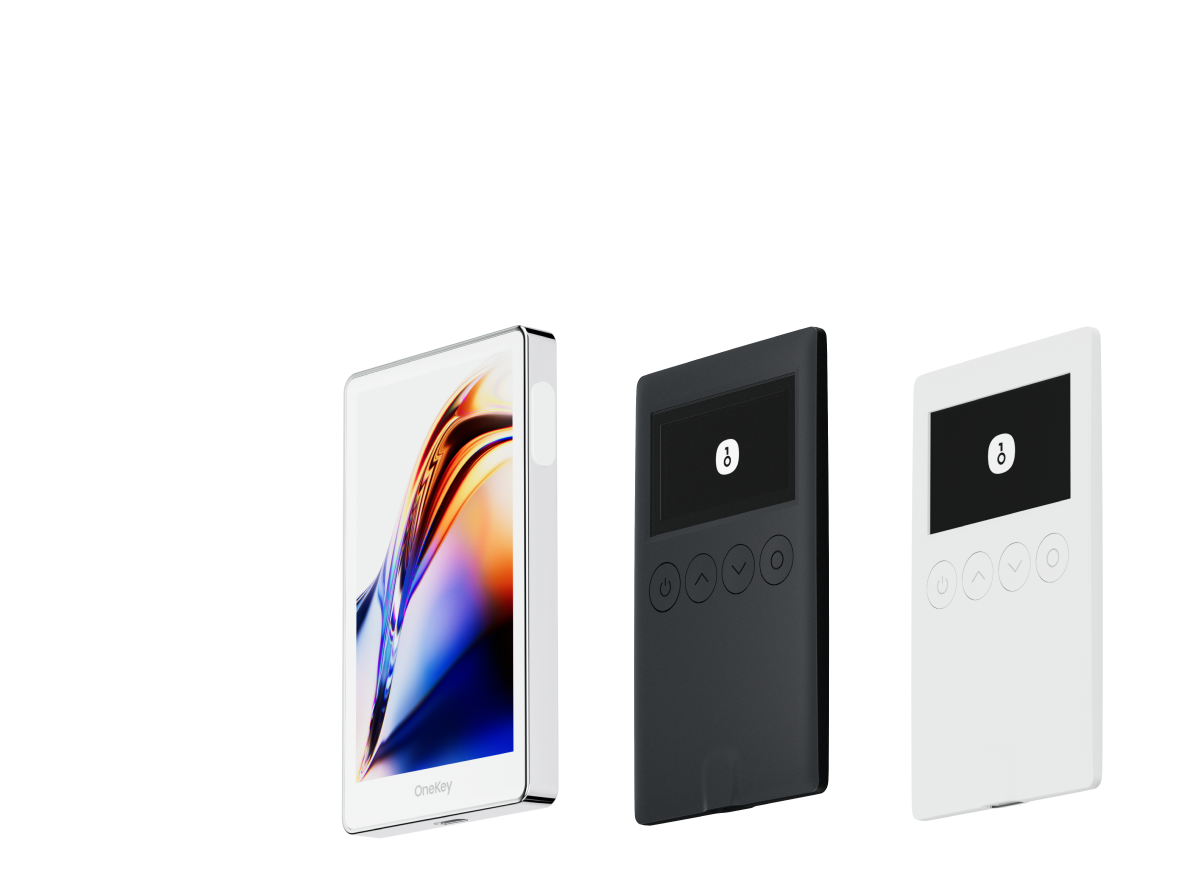
If you want to manage RBTC and RIF securely, a hardware wallet such as OneKey can help keep your private keys offline while interacting with Rootstock dApps through an EVM-compatible interface. OneKey supports multi-chain workflows, open-source firmware, and clear signing so you can review contract calls before approval—useful when registering names, managing identity credentials, or paying for RIF services on Rootstock.
Risks to consider
- Smart contract risk: Bugs or vulnerabilities in protocols or RIF-integrated services can lead to loss of funds.
- Bridge risk: Moving assets between Bitcoin and Rootstock introduces additional trust and technical assumptions beyond L1 Bitcoin.
- Volatility and liquidity: RIF’s market price and liquidity can fluctuate. Always check current market depth and spreads on reputable analytics sites like CoinMarketCap.
The bottom line
RIF aims to make Bitcoin-secured Web3 usable by powering naming, identity, payments, and storage services on Rootstock. For builders, it offers a cohesive set of primitives to onboard mainstream users. For end users, it brings familiar features—human-readable names, portable identity, low-friction payments—into a network secured by Bitcoin.
If you plan to explore Rootstock dApps and RIF-powered services, consider pairing a Rootstock-connected wallet with a hardware device like OneKey to retain full ownership of your keys while benefiting from clear signing and multi-chain support. This setup gives you the flexibility of an EVM environment with the security posture needed for long-term self-custody.
References and further reading:
- Rootstock overview and docs: rootstock.io, developers.rootstock.io
- RIF overview and products: RIF Technology
- RIF market data: CoinMarketCap: RIF Token
- Ecosystem activity: DeFiLlama: Rootstock
- Broader context on Bitcoin layers: Galaxy Research: Bitcoin Layers