What Is Render (RNDR)? Powering Decentralized GPU Rendering

Key Takeaways
• The Render Network enables decentralized GPU rendering, reducing costs and increasing efficiency.
• RNDR token facilitates payments, staking, and governance within the network.
• Decentralized rendering supports various applications, including film, architecture, and AI workloads.
• The migration to Solana aims to enhance transaction speed and reduce costs.
• Users must consider custody best practices for RNDR to secure their assets.
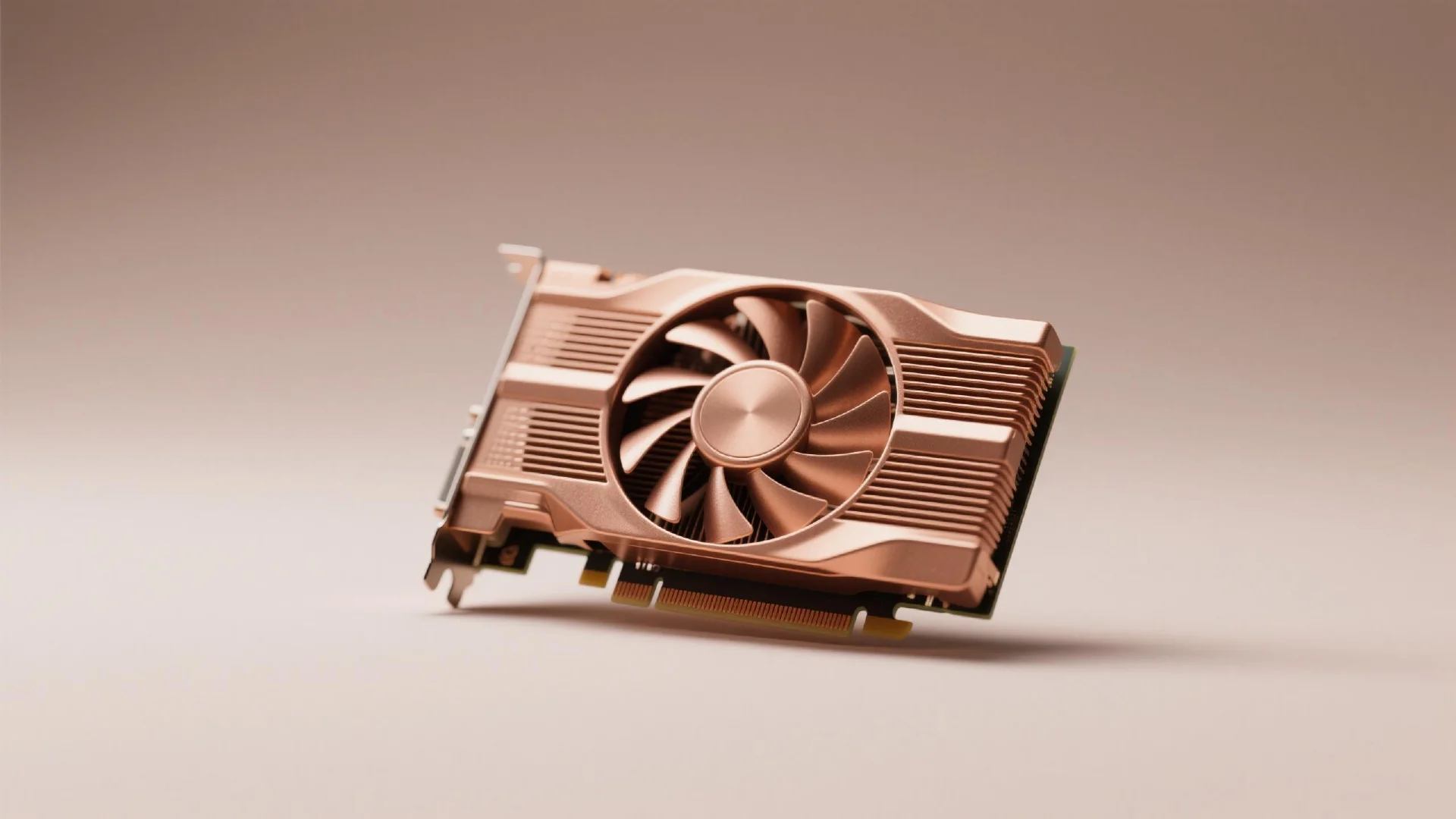
The Render Network is a decentralized marketplace for GPU rendering and compute, enabling artists, developers, and AI workloads to tap into global, on-demand graphics power. Its native token, RNDR, coordinates payments, job scheduling, reputation, and governance across a peer-to-peer network of node operators. As demand for 3D content, real-time visual effects, and AI compute surges, Render’s mission is to democratize access to high-performance GPUs with transparent pricing and verifiable delivery. For background and official resources, see the Render Network overview and RNDR token site on the Render Foundation’s pages at the Render Network and RNDR Token websites.
Why decentralized rendering matters
High-quality rendering is computationally intensive and traditionally expensive, requiring specialized hardware that many individual creators don’t have. Decentralized GPU networks address this by pooling idle GPUs worldwide and matching them with users who need rendering or compute capacity. This reduces cost, increases throughput, and removes the single points of failure typical of centralized providers. The Render Network extends these benefits to 3D pipelines and GPU workloads, with roots in OTOY’s production-grade renderer, OctaneRender. For context on OTOY and OctaneRender used by studios and creators, see OctaneRender by OTOY.
Beyond creative pipelines, decentralized compute sits within the broader DePIN (Decentralized Physical Infrastructure Networks) movement, which tokenizes access to real-world infrastructure such as storage, bandwidth, and compute. A useful primer on the sector and its growth drivers is available via Coinbase Institutional’s DePIN overview.
How the Render Network works
-
Job submission and matching: Artists or developers submit rendering jobs (e.g., frames, scenes, animations) along with payment in RNDR. Jobs are matched to GPU node operators based on performance, availability, and reputation. The overall system design is described on the official Render docs.
-
Verification and payment: Render uses hashing, watermarking, and multi-step verification to confirm outputs. Once a job is validated, payment is released from escrow to the node operator.
-
Reputation and slashing: Nodes build reputational scores by delivering accurate, timely results. Bad actors can be penalized or slashed, preserving network quality and trust.
-
Tooling and pipelines: The network supports common 3D workflows, including OctaneRender integrations, with APIs for job creation and management. Over time, the scope has expanded toward general-purpose GPU workloads.
RNDR token and economics
RNDR is the utility token that powers the network. It’s used for:
- Payments: Users pay for rendering and compute services in RNDR.
- Staking/Collateral: Mechanisms that align incentives and ensure job completion can require bonded value.
- Governance: Token holders propose and vote on network upgrades via Render Network Proposals (RNPs), shaping parameters like pricing, resource policies, and protocol architecture. Governance details are published on the Render Network’s official channels and summarized in resources such as Messari’s asset profile.
RNDR has historically existed on Ethereum as an ERC‑20 token, with contract details verifiable on Etherscan. In 2023, the community approved a plan to migrate key components to Solana to improve speed and cost efficiency—an important step for high-throughput GPU coordination. See CoinDesk’s coverage of the Render migration plan and Solana’s technical overview for reference.
Latest developments and what to watch
-
Scaling via Solana: The Render community’s move toward Solana is aligned with the need for low-latency coordination and high transaction throughput. Solana’s architecture is designed for parallel processing and lower fees, which benefit job routing and micropayments. See CoinDesk’s report on the governance approval and the Solana documentation for the developer ecosystem.
-
Growing DePIN adoption: As DePIN models mature, more creators and AI teams are experimenting with payment-for-compute networks. Institutional and retail interest has expanded as tokenized access and transparent settlement become more familiar. For a sector view, see Coinbase Institutional’s DePIN primer.
-
Creative and AI convergence: Render’s user base spans visual effects, gaming, AR/VR, and increasingly AI-assisted content. The blending of 3D pipelines with AI tools increases GPU requirements, especially for real-time or interactive workloads.
For a concise introduction and token basics, Binance Academy maintains a general overview of RNDR.
Common use cases
- Film and VFX: Batch rendering complex scenes or final frames without investing in local render farms.
- Architectural visualization and product design: Scaling photorealistic renders for client deliverables.
- Game assets and cinematics: Offloading high-quality renders to meet production schedules.
- AI workloads: Leveraging GPU nodes for inference tasks that benefit from distributed compute.
Risks and considerations
- Network reliability: Decentralized networks rely on many independent operators. While redundancy mitigates outages, job routing and verification must be robust.
- Economic volatility: RNDR’s price can fluctuate, impacting job costs in fiat terms. Some workflows may use hedging or stable conversion strategies.
- Migration and bridge risks: Multi‑chain configurations introduce operational risks. Always verify official guidance before moving tokens between chains, and use trusted interfaces only. Refer to the Render Network docs and official governance updates for migration details.
Custody best practices for RNDR
If you hold RNDR, secure storage is essential. Consider:
- Verifying token contracts: On Ethereum, verify the contract using Etherscan before any transfers.
- Using hardware-based signing: Offline transaction signing reduces exposure to malware and phishing.
- Multi‑chain awareness: If interacting with RNDR on different networks, ensure you’re on the correct chain and using the supported wallet path.
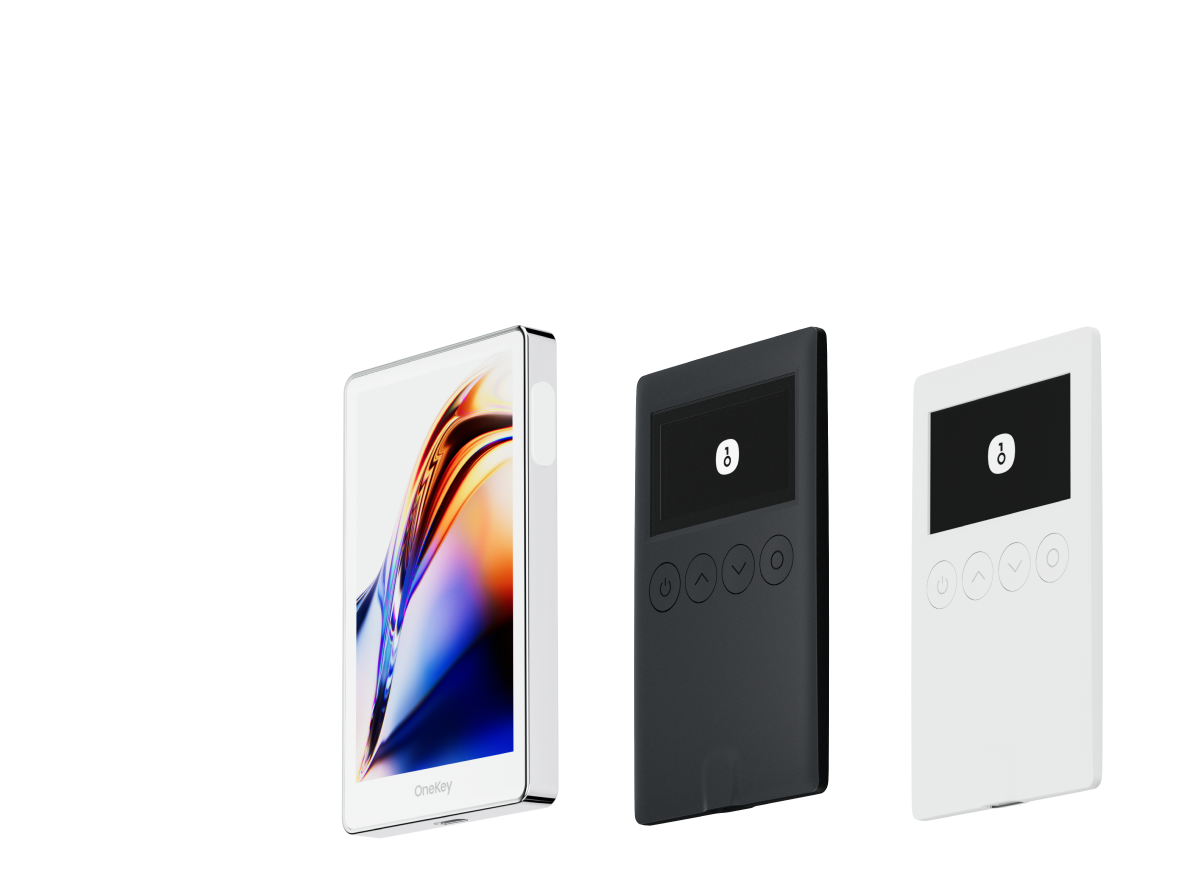
OneKey hardware wallets focus on secure, open-source firmware and multi-chain support, making them a strong fit for users who manage assets across Ethereum and Solana. For creators and node operators who regularly process on-chain payments, maintaining a dedicated hardware wallet for treasury and staking, separate from day-to-day hot wallets, can help reduce operational risk.
Getting started
- Explore the network: Review the Render Network’s site for creator and node operator onboarding.
- Learn the token basics: See Binance Academy’s RNDR explainer for foundational concepts.
- Verify on-chain details: Check RNDR’s ERC‑20 contract on Etherscan and consult Render docs for any multi‑chain/migration guidance.
- Assess your custody plan: If you plan to hold RNDR long term or operate nodes, consider a hardware wallet like OneKey to protect keys and segment operational risk.
Render sits at the intersection of decentralized compute, 3D content, and AI. As demand for GPU power grows, the network aims to make high-performance rendering accessible and verifiable at scale—without centralized gatekeepers. For ongoing updates, keep an eye on the Render Foundation’s official channels and reputable industry analyses like Messari’s profile on RNDR.
References:
- Render Network: https://rendernetwork.com/
- RNDR Token site: https://rendertoken.com/
- OctaneRender by OTOY: https://home.otoy.com/octane-render/
- Render docs: https://docs.rendernetwork.com/
- Binance Academy: https://academy.binance.com/en/articles/what-is-render-rndr
- Messari profile: https://messari.io/asset/render
- CoinDesk coverage of Solana migration: https://www.coindesk.com/business/2023/04/26/render-network-approves-plan-to-migrate-to-solana/
- Solana documentation: https://solana.com/
- Etherscan RNDR contract: https://etherscan.io/token/0x6de037ef9ad2725eb40118bb1702ebb27e4aeb24
Disclaimer: This article is for educational purposes only and does not constitute financial advice. Always conduct your own research and verify contract addresses and official guidance before transacting.