What Is RED Token? Driving Fan Engagement Through Blockchain


Key Takeaways
• RED token serves as a fan-focused crypto asset designed to reward loyalty and facilitate community decisions.
• Fan tokens provide holders with benefits like voting rights, exclusive content access, and gamified rewards.
• The landscape for fan tokens is evolving, with regulatory clarity and lower transaction fees expected by 2025.
• Security best practices include using non-custodial wallets and verifying contract addresses to protect assets.
• A well-designed fan token can transform passive fandom into an interactive community experience.
Fan engagement is evolving. Sports clubs, creators, and entertainment IPs are experimenting with blockchain to deepen relationships with their communities—moving beyond passive fandom to interactive, programmable experiences. In this context, think of “RED token” as a fan-focused, utility-first crypto asset: a branded token designed to reward loyalty, power community decisions, and unlock exclusive access.
This article explains how a fan token like RED can work, what to watch for as the space matures in 2025, and how to engage securely.
Fan Tokens in a Nutshell
Fan tokens are digital assets that grant holders benefits such as voting on club decisions, access to exclusive content or events, gamified rewards, and discounts. They typically do not grant equity or revenue share and should be considered utility tokens unless governed by a specific regulatory framework. For a primer on how fan tokens operate and their differences from traditional cryptocurrencies, see Binance Academy’s overview of the category at the end of this paragraph. Learn more about fan tokens and their mechanics.
You can also browse live market examples and categories for comparative context. Explore the fan token category on CoinMarketCap.
What “RED” Represents
There are many tokens that may use a similar name or ticker across different chains. In this guide, “RED” represents a template for a team- or creator-branded fan token focused on rewards and engagement. Before interacting with any similarly named asset, always verify you have the correct smart contract address from an official team channel or verified block explorer entry. What contract addresses are and why they matter.
How a Fan Token Like RED Works
-
Token standard and chain
- Most fungible fan tokens adopt the ERC‑20 standard for interoperability and wallet compatibility. ERC‑20 specification.
- To keep transaction costs low for high-frequency interactions (voting, quests, rewards), many projects build on app-specific chains like Chiliz Chain or scalable EVM networks such as Polygon.
- The Ethereum Dencun upgrade (EIP‑4844) in 2024 reduced L2 data availability costs, improving throughput and enabling cheaper fan experiences on rollups. Ethereum’s Dencun mainnet announcement.
-
Core utilities
- Token‑holder voting: light‑touch polls on kit designs, walk‑out music, or charity initiatives. Projects like Socios popularized this model. How fan voting works on Socios.
- Loyalty and rewards: earn points or multipliers by attending matches, engaging with content, or completing quests, redeemable for merch or experiences.
- Token‑gated content and access: members‑only streams, meet‑and‑greets, or IRL event access. For collectibles or tickets, teams often use NFTs (ERC‑721/1155) in parallel. ERC‑721 and ERC‑1155 standards.
- Partnerships and integrations: discounts with sponsors, in‑stadium activations, or co‑branded campaigns.
-
On-chain mechanics
- Fixed or capped supply to curb inflationary pressure on the engagement economy.
- Non‑transferable badges or soulbound achievements to recognize long‑term supporters without turning every action into speculation.
- Transparent treasuries for community grants or charitable causes.
What’s New in 2024–2025
-
Lower fees, richer UX: With L2 fees decreasing post‑Dencun and more consumer‑grade wallets supporting account abstraction, interactive features (votes, micro‑rewards, redemptions) can be delivered with a mobile‑first experience. Dencun implications for rollups.
-
Regulatory clarity: In the EU, the Markets in Crypto‑Assets (MiCA) framework is phasing in. While many fan tokens are positioned as utility tokens, marketing, custody, and exchange listing obligations remain relevant, especially when fiat on‑ramps are involved. EU overview of crypto‑asset regulation (MiCA).
-
Marketing compliance: Jurisdictions are tightening promotion rules. In the UK, crypto asset promotions must meet strict requirements (e.g., clear risk warnings, appropriate channels). Clubs and creators should align campaigns accordingly. FCA guidance on cryptoasset financial promotions.
-
Broader sports Web3 adoption: Teams and leagues are experimenting with token‑gated experiences and digital collectibles, creating a more coherent “fan stack” spanning tickets, loyalty, and media rights.
Designing the Utility: A Practical Blueprint
-
Utility tiers
- Free tier: basic participation (limited votes, newsletters).
- Holder tier: full voting, token‑gated content, merch discounts.
- VIP tier: rare experiences (player meetups, signed gear) tied to long‑term holding or achievements.
-
Distribution
- Small claim/drop to verified fans to seed network effects.
- Earn mechanics (engagement quests, attendance proofs) to reduce reliance on secondary markets.
- Transparent allocation to the club/creator treasury for reinvestment in fan experiences.
-
Governance
- Clear separation of “influence” votes (cosmetic/community decisions) from operational or financial decisions.
- On‑chain quorum rules with off‑chain verification for fair participation (e.g., sybil resistance via proof-of-attendance or KYC where mandated).
-
Interoperability
- Compose with NFTs for tickets or collectibles; enable cross‑chain bridges if needed, but minimize complexity for end‑users.
Risks to Understand
- Market volatility: Utility tokens can still trade on open markets and may exhibit price swings. Teams should avoid framing as investments.
- Utility dilution: If benefits are vague or overpromised, engagement drops. Ship clear, recurring perks.
- Platform risk: Centralized partners (exchanges, custodial platforms) can introduce dependencies.
- Compliance overhead: Marketing, consumer protection, and data privacy requirements vary by jurisdiction. Align with local counsel and guidance, such as the EU MiCA and UK FCA rules linked above.
Custody and Security Best Practices
Whether you’re a supporter collecting tokens for perks or a club treasurer managing a community allocation, secure key management matters:
- Use a non‑custodial wallet so you control the private keys.
- Prefer hardware-backed signing for long‑term holdings and treasuries.
- Verify contract addresses and signing prompts; never approve unlimited spending for unknown contracts.
- Segment hot and cold wallets: keep a small balance for daily engagement, and store the rest offline.
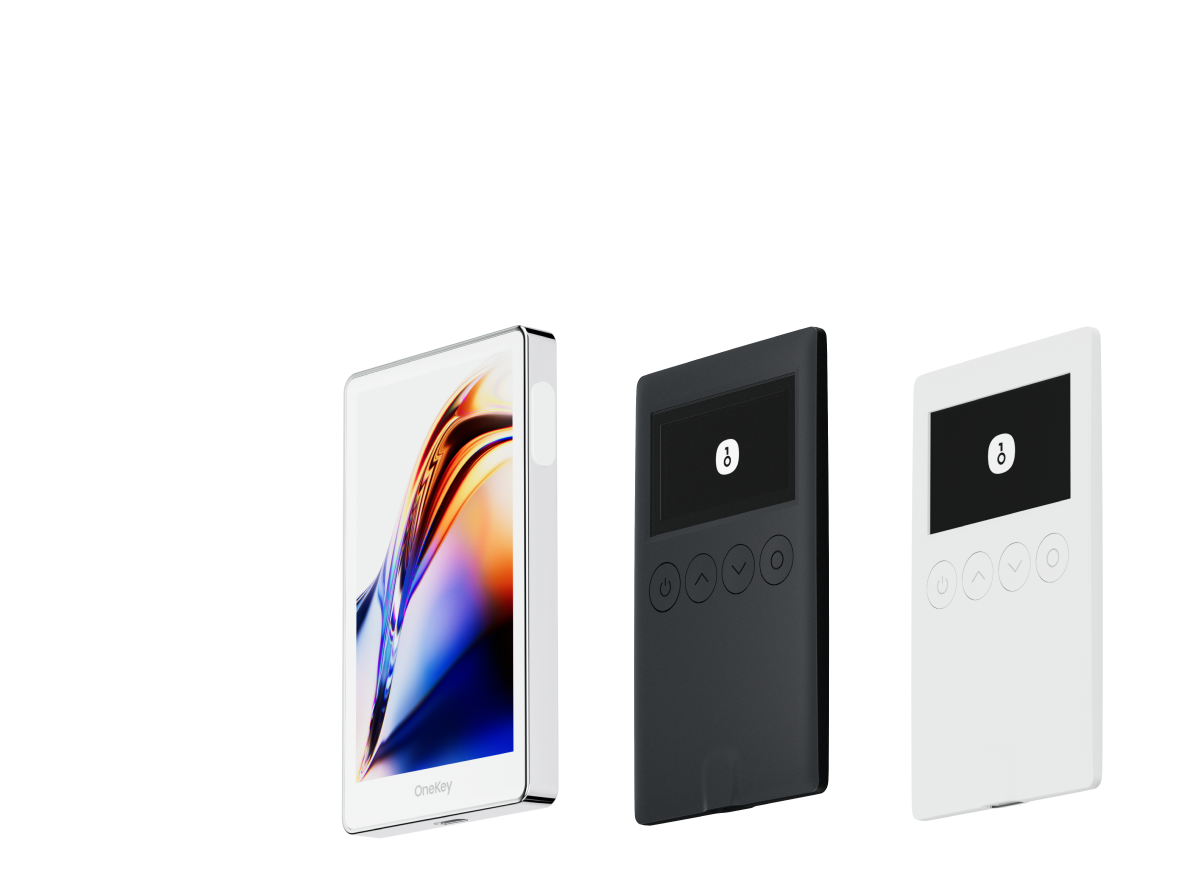
For users who want a balance of security and usability, OneKey hardware wallets are designed with open‑source firmware, multi‑chain EVM compatibility, and a clean onboarding flow that suits both first‑time fans and power users. They pair well with mobile or desktop clients for everyday voting and rewards, while keeping treasury holdings offline.
Getting Started With a Fan Token Like RED
- Verify the official contract address from the club’s website or social channels, and cross‑check on a recognized block explorer. Why contract verification matters.
- Choose a compatible chain/wallet stack (e.g., EVM wallet for ERC‑20 on Chiliz Chain or Polygon). Chiliz Chain docs and Polygon docs.
- Acquire tokens through the club’s official portal, a supported exchange, or a reputable DEX; start with small amounts and test a transaction.
- Stake or hold to unlock perks, and participate in polls or quests as announced.
- Store long‑term balances with hardware-backed security and keep backups of your recovery phrase offline.
FAQ
-
Does a fan token grant ownership or dividends?
- Typically no. Most are utility tokens for access, voting on cosmetic/community decisions, and rewards. Review the project’s legal disclosures.
-
How is this different from NFTs?
- Fan tokens are fungible and used for ongoing interactions (votes, rewards), whereas NFTs are unique and often represent collectibles or tickets. Many programs use both together.
-
Can I use exchanges instead of self-custody?
- You can, but you’re trusting a third party with withdrawal and listing decisions. Self-custody with a hardware-backed wallet reduces counterparty risk.
-
What should teams focus on to make tokens sustainable?
- Clear, recurring utility; low-friction UX (mobile, low fees); transparent governance; and compliant, responsible marketing.
Bottom line: a well-designed, utility-first fan token like RED can turn passive fandom into an interactive, on-chain community—where votes matter, loyalty is rewarded, and access is programmable. If you plan to engage regularly while keeping your assets safe, consider pairing a user-friendly software wallet for day-to-day actions with a OneKey hardware wallet for long-term security and treasury management.