What Is POPCAT? The Meme Coin Taking Solana by Storm


Key Takeaways
• POPCAT is a meme coin inspired by the viral 'Popcat' meme, thriving on Solana's low fees and high-speed transactions.
• The success of POPCAT is driven by community engagement, viral marketing, and liquidity from decentralized exchanges.
• To buy POPCAT safely, verify the token contract, fund a Solana wallet, and use reputable DEXs or aggregators.
• Key risks include extreme volatility, liquidity issues, and the presence of scams or copycat tokens.
• Using a hardware wallet is recommended to safeguard assets while trading meme coins like POPCAT.
Meme coins have a habit of turning internet culture into on-chain phenomena—and on Solana, few have captured attention like POPCAT. Fueled by community memes, low fees, and lightning‑fast transactions, POPCAT has become a standout in Solana’s ongoing meme coin wave, drawing liquidity, traders, and headlines. This article breaks down what POPCAT is, why it matters, how to approach it safely, and what to watch if you’re considering participating.
What is POPCAT?
POPCAT is a community-driven meme coin on Solana inspired by the viral “Popcat” meme—an open‑mouthed cat that took over the internet through a clicker-game craze and social media remixes. The token has found strong resonance with Solana traders thanks to simple branding, relentless community output, and a market environment willing to speculate on culture-first assets. You can view market data and contract details via the POPCAT pages on CoinGecko and CoinMarketCap.
While POPCAT doesn’t claim technical innovations beyond being an SPL token, it rides a set of structural tailwinds on Solana: high throughput, sub-cent transaction costs, and an ecosystem increasingly geared toward retail-friendly UX.
For context on the meme’s origin outside of crypto, see the background of the Popcat craze on Wikipedia.
Why Solana is a natural home for meme coins
- Low fees, high speed: Solana processes thousands of transactions per second with a fee model designed for low-cost, high‑frequency trading—ideal for speculative flows and social virality. Explore Solana’s performance and fee design in the official docs on fees and priority fees.
- Retail‑friendly UX: Swap-first interfaces and smooth bridging have made it easier for non‑experts to trade. The ecosystem’s throughput and fee structure have helped drive record on-chain volumes during meme coin cycles; you can track network activity trends on analytics platforms like Artemis (Solana dashboard).
- Liquidity routes: Popular Solana DEX venues and aggregators, including Jupiter and Raydium, have become the de facto venues for routing orders and pricing meme coin liquidity.
What’s driving POPCAT’s momentum?
- Viral memetics: Straightforward branding and endless meme formats keep POPCAT highly shareable, sustaining attention cycles that translate into trading activity.
- Aggregator liquidity: With aggregators like Jupiter, retail traders get routed to the best price across pools, improving execution and supporting tighter spreads when liquidity is dispersed. Learn more about routing mechanics in the Jupiter docs.
- Community coordination: Social campaigns, leaderboards, and on-chain challenges have become common features of Solana meme communities, which can concentrate liquidity and attention in bursts.
None of this guarantees sustainability, but it explains how tokens like POPCAT find traction on Solana.
How to buy POPCAT safely on Solana
This is a general workflow for SPL tokens like POPCAT. Always do your own research and never trade more than you can afford to lose.
-
Verify the token contract:
- Use authoritative listings for the official contract and metadata. Cross‑check on CoinGecko (POPCAT) and CoinMarketCap (POPCAT).
- Consider double‑checking the contract via a block explorer like Solscan after following a verified link from CoinGecko or CoinMarketCap.
-
Fund a Solana wallet with SOL:
- You’ll need SOL for gas. Acquire SOL on a reputable exchange and withdraw to your Solana wallet address.
-
Swap using a DEX or aggregator:
- Navigate to an aggregator such as Jupiter or a DEX like Raydium.
- Paste the verified POPCAT contract address, select the best route, and set reasonable slippage. Jupiter’s routers generally auto‑select optimal pools; see the Jupiter documentation for details.
-
Manage approvals and security:
- Review every transaction in your wallet. Revoke any suspicious approvals promptly.
- Be wary of copycat tokens, fake websites, or social links promising “airdrops” or “boosts.”
Key risks to consider
- Extreme volatility: Meme coins can see abrupt 50–90% drawdowns and sudden illiquidity.
- Impermanent liquidity: Liquidity providers can withdraw quickly, leading to severe price gaps.
- Copycats and scams: Lookalike tokens often proliferate during hype cycles. Treat unverified links as malicious by default.
- Regulatory uncertainty: Depending on your jurisdiction, tokens may have tax or reporting obligations. Consult local regulations.
On-chain metrics and signals to watch
- Liquidity depth across major pools and aggregators (Jupiter, Raydium)
- Daily trading volume and volatility on price trackers like CoinGecko
- Holder distribution and recent transfers via Solscan
- Network health and fees on Artemis (Solana dashboard)
These indicators won’t predict price, but they can help you contextualize market conditions and counterparty risk.
Safeguarding your assets: why a hardware wallet helps
Speculating on meme coins inevitably means connecting to new sites, signing frequent transactions, and moving fast—conditions where mistakes and phishing attacks happen. A hardware wallet keeps your private keys offline and requires physical confirmation for every transaction, dramatically reducing the risk of malware or invisible approvals.
If you’re active on Solana, OneKey can help:
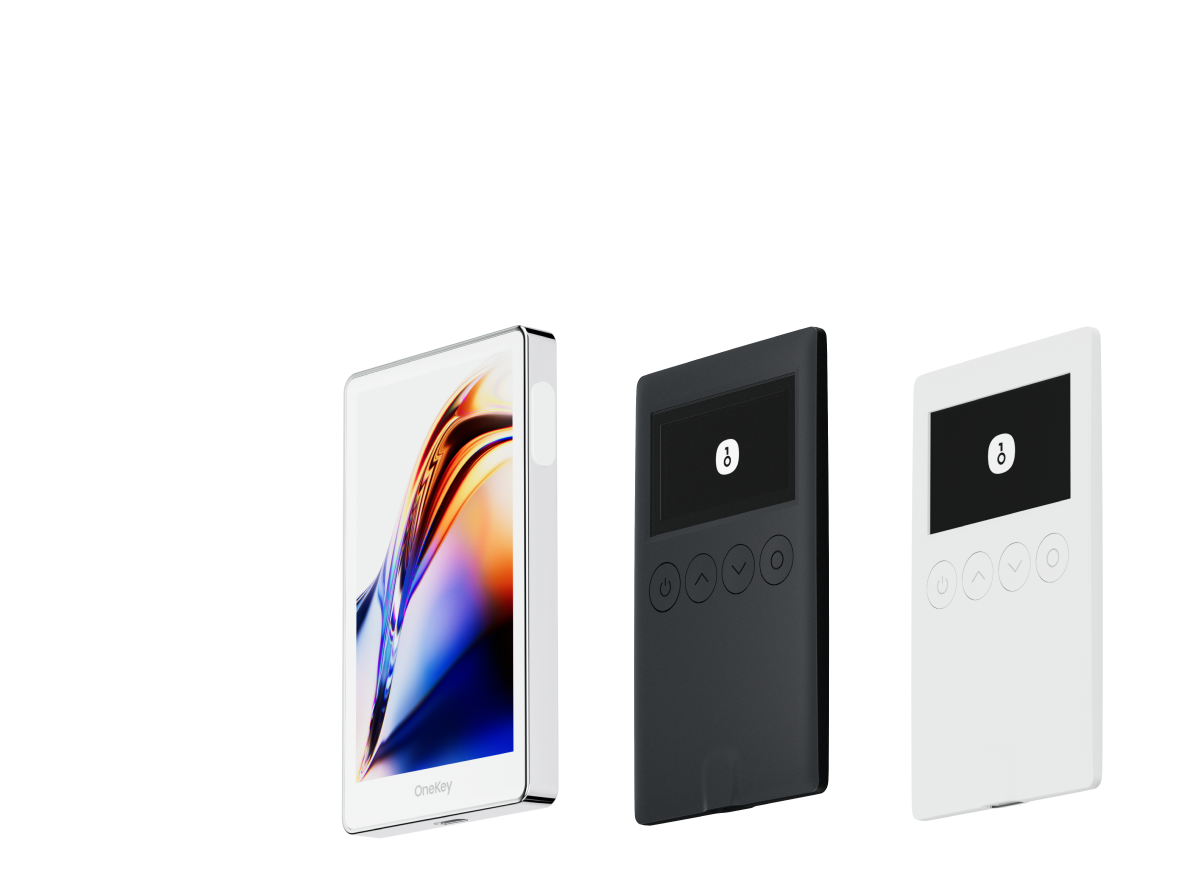
- OneKey hardware wallets keep private keys offline while supporting SOL and SPL tokens.
- The OneKey app and browser extension work with popular Solana dApps and aggregators, so you can connect, review, and sign with clear prompts.
- Open‑source components and transparent design make it easier to audit what you’re installing and signing.
For traders rotating through meme coins like POPCAT, isolating hot activity from long‑term holdings and confirming every high‑risk interaction on a hardware device is a practical line of defense.
Bottom line
POPCAT embodies the Solana meme coin zeitgeist: internet-native culture, rapid UX, and friction‑light trading. Whether you’re here to speculate or simply to observe, approach with discipline—verify contracts, route swaps through reputable venues, and protect keys with hardware. The meme may be lighthearted, but the risks are real, and security hygiene is non‑negotiable.
Additional reading:
- Solana fees and performance model: Solana Docs
- How DEX routing works on Solana: Jupiter Docs
- POPCAT market and contract info: CoinGecko (POPCAT), CoinMarketCap (POPCAT)