What Is PLUME Token? A New Layer for DeFi and Tokenized Assets

Key Takeaways
• PLUME Token serves as the native asset for a Layer-2 network focused on tokenized assets and DeFi.
• Institutional participation in tokenized assets is increasing, with major players like BlackRock leading the way.
• Compliance and regulatory frameworks are crucial for the successful integration of real-world assets into DeFi.
• Understanding PLUME Tokenomics, governance rights, and security measures is essential before engaging with the token.
• Risks such as smart contract vulnerabilities and regulatory dynamics must be considered when interacting with new tokens.
Tokenization is entering a new phase. In 2024–2025, major institutions and regulators moved beyond pilots, pushing real-world assets (RWAs) and digitally native funds onto public blockchains. Examples include BlackRock’s tokenized fund on Ethereum and Singapore’s Project Guardian, both signaling a clear trajectory: compliant, programmable assets will coexist with open DeFi. In that context, the PLUME Token is positioned as the native asset of a Layer-2 (L2) network designed to bring tokenized assets into a more scalable, composable, and compliance-aware environment.
This article explains how a token like PLUME typically fits into an RWA‑centric L2, the design patterns that matter, and what users should watch before interacting with any new network or token.
Note: This is educational content, not financial advice. Always verify contract addresses and official documentation before buying or using any token.
Why tokenized assets matter in 2025
- Institutional participation is growing. BlackRock launched its tokenized fund “BUIDL” on Ethereum, marking a milestone for mainstream adoption of on‑chain vehicles, with the fund designed for qualified investors and settlement via public infrastructure. For details, see the BlackRock press release at the end of this paragraph: BlackRock launches first tokenized fund on Ethereum.
- Regulators are shaping the rails. Singapore’s MAS continues advancing asset tokenization through industry pilots, focusing on settlement, liquidity, and risk frameworks, which are crucial for institutional-grade RWAs. Read more: MAS Project Guardian advances asset tokenisation initiatives.
- L2 scaling matured. With the introduction of data availability improvements and features like EIP‑4844 (proto‑danksharding), fees on Ethereum L2s dropped and throughput increased, opening practical paths for high‑volume RWA operations. Reference: EIP‑4844 (proto‑danksharding). For broader context on L2s, see Ethereum Layer‑2 scaling overview.
Taken together, the market wants an L2 that can handle institutional compliance, liquidity, and DeFi composability—precisely what a network supported by a token like PLUME aims to enable.
What is the PLUME Token?
In an L2 that specializes in DeFi and tokenized assets, the native token (here, PLUME) typically serves four core roles:
- Network utility: Paying for transaction fees, gas, and certain network‑level services within the L2 environment.
- Security and alignment: Staking and/or bonding to support sequencer or validator economics, depending on the L2’s architecture and data availability (DA) strategy.
- Governance: Voting on parameter changes, asset listings, risk frameworks, and protocol upgrades, especially important for compliance‑aware modules.
- Incentives: Rewarding liquidity providers, market makers, oracle operators, and participants in permissioned or KYC‑enabled pools that handle RWAs.
The exact tokenomics (total supply, emission schedule, fee burns, and lockups) are project‑specific. Before engaging, look for a formal whitepaper, audited smart contracts, published addresses, and listings on public analytics trackers like L2Beat once the network launches or is indexed.
How an RWA‑centric L2 is typically architected
To serve tokenized assets at scale, modern L2s often adopt battle‑tested components and standards:
- Rollup stack: Popular frameworks include OP Stack and Arbitrum Orbit, chosen for their developer ecosystems and tooling compatibility.
- Data availability: Modular DA can reduce costs and improve throughput. Some L2s explore solutions like Celestia’s data layer; learn more here: What is Celestia?.
- Compliance gates: KYC/KYB modules, whitelists, and jurisdictional restrictions for specific pools and assets. These modules strive to balance institutional needs with composability.
- Oracle and attestation integrations: External data feeds for pricing, NAV, and off‑chain attestations (e.g., proof of reserves or custody confirmations) are critical to RWAs.
This stack enables multiple asset types—tokenized treasuries, funds, real estate, and stablecoins—to interoperate with DeFi while respecting compliance constraints.
Primary use cases
- Permissioned liquidity pools for RWAs: Tokenized treasuries, money market funds, or cash equivalents can access efficient on‑chain market‑making with KYC gating where required. For institutional precedent, see MAS Project Guardian’s pilots.
- Composable fund operations: NAV updates and distributions can hook into smart contracts and oracles, enabling transparent, programmatic fund mechanics. Institutions are exploring this path, as evidenced by BlackRock’s BUIDL announcement.
- Lower‑cost transactions: EIP‑4844 and modern DA reduce L2 fees, improving usability for high‑frequency settlement and liquidity operations. For background: EIP‑4844 (proto‑danksharding).
- Compliance‑aware DeFi: Permissioned AMMs, lending markets, and yield strategies tailored to regulated entities, without losing the programmability and auditability of public chains.
What to look for in PLUME Tokenomics and governance
Before interacting with any new token, verify basics:
- Supply and emissions: Is there a cap? What is the vesting schedule? How are ecosystem incentives structured for LPs and market makers?
- Utility distribution: How much demand comes from network usage versus pure incentives?
- Governance rights: Does the token enable voting on listings, risk parameters, and upgrade paths? Is there a clear framework for emergency controls on RWA pools?
- Audits and security posture: Reputable audits, responsible disclosure programs, and transparent incident management.
- Ecosystem transparency: Canonical bridges, official contract addresses, and supported wallets and custodians.
As the L2 matures, you should expect listings on tracking sites (e.g., L2Beat), detailed documentation, and public audits.
Risks and considerations
- Smart contract and bridge risk: Cross‑chain bridges and RWA modules can introduce attack surfaces. Stick to canonical bridges published by the project and review audits where possible. For rollup security context, see Ethereum Layer‑2 scaling overview.
- Regulatory dynamics: RWAs are tied to rules around custody, disclosures, and investor eligibility. Changes in policy can affect liquidity and access. The industry’s shift toward tokenization is real, but it must align with evolving requirements; see regulatory‑adjacent developments in MAS Project Guardian.
- Data availability and centralization: L2s vary in their decentralization and DA backends. Understand the trade‑offs and upgrade roadmap (sequencer decentralization, fraud/validity proofs, and data availability guarantees).
- Oracle dependencies: RWA pricing and attestations rely on external data. Evaluate oracle designs and failure modes.
- Liquidity fragmentation: Permissioned pools, jurisdictional segmentation, and whitelists can fragment markets; watch how the L2 addresses discovery and routing.
Getting and using PLUME safely
If and when PLUME launches:
- Verify official sources: Use the project’s verified website, documentation, and social channels to confirm the contract address and canonical bridge.
- Prefer official bridges and listings: Avoid spoofed tokens and unofficial bridges. Check if the L2 or token is indexed by reputable analytics or security dashboards (e.g., L2Beat) once available.
- Cold‑storage your keys: For long‑term holdings or governance participation, storing your private keys offline is a critical best practice. A hardware wallet reduces the risk of malware, phishing, and signer compromise.
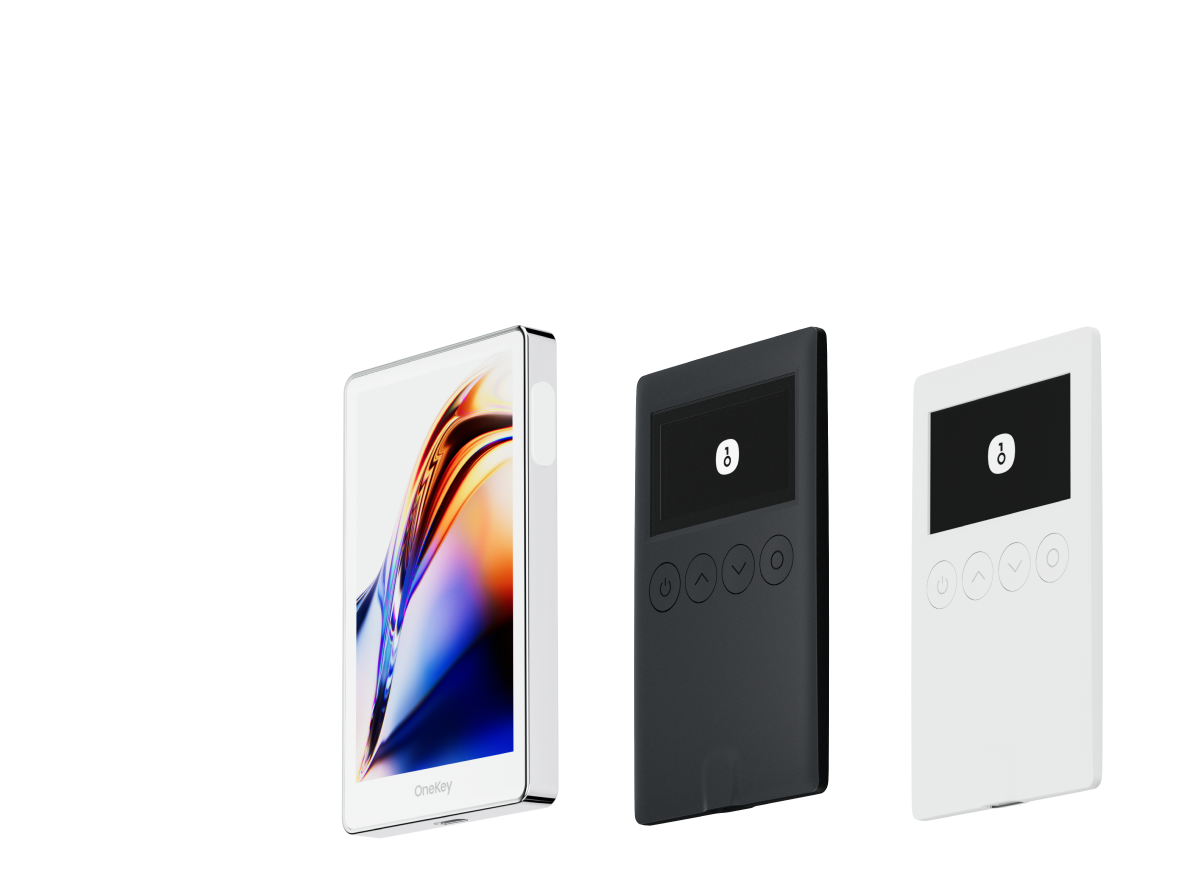
If you want to interact with new L2 tokens while retaining control of your keys, OneKey can help. OneKey is an open‑source hardware wallet with secure chip architecture, multi‑chain support (including EVM and Layer‑2 networks), and clear‑signing flows that make it easier to verify what you’re signing before you approve. This matters when interacting with new bridges, governance proposals, or DeFi modules that you may be using for the first time.
Catalysts to watch
- Mainnet and audit releases: Look for formal audits, bug bounty programs, and a fully documented rollout plan.
- Compliance modules: Clear KYC/KYB integration, permissions, and investor eligibility rules for RWA pools.
- DA and sequencing: Transparency on data availability choices and sequencer decentralization.
- Institutional integrations: Partnerships for tokenized treasuries or funds, and listings on major DeFi venues or permissioned markets.
- Ecosystem tooling: SDKs, oracle integrations, and analytics supporting developers and institutions.
Bottom line
PLUME Token fits into a broader industry push: make tokenized assets usable in a scalable, compliance‑aware L2 while preserving the programmability and auditability that DeFi offers. The token’s role is likely to blend utility, governance, and incentives for liquidity and security. As always, do your due diligence—verify smart contracts, understand bridge risks, and monitor how the L2 evolves in decentralization, compliance tooling, and ecosystem integrations.
For secure participation, consider managing your keys with a hardware wallet. OneKey’s open‑source approach, secure chip, and multi‑chain support can help you safely explore new networks, sign governance transactions, and custody assets across EVM and Layer‑2 environments.