What Is Optimism (OP)? The Token Behind Ethereum’s Layer-2 Scaling


Key Takeaways
• Optimism uses optimistic rollups to bundle transactions off-chain, enhancing throughput.
• The OP token governs the Optimism Collective and funds public goods through retroactive funding.
• The Dencun upgrade significantly lowered transaction fees, improving user experience on Optimism.
• The OP Stack enables interoperability among multiple Layer-2 networks, forming the Superchain.
• Strong key management practices, such as using hardware wallets, are essential for secure asset management.
Optimism is one of Ethereum’s leading Layer-2 networks, designed to make transactions cheaper and faster without compromising on security. It achieves this through optimistic rollups—bundling many transactions off-chain and posting proofs to Ethereum—dramatically improving throughput while inheriting Ethereum’s trust guarantees. The OP token powers governance of the Optimism Collective, funds public goods, and aligns incentives for builders across its expanding “Superchain.” For anyone building or using decentralized applications, Optimism has become a core part of the Ethereum scaling story.
How Optimism Works
Optimism uses optimistic rollups, which assume transactions are valid unless challenged via fault proofs. This design allows the network to process transactions off-chain and periodically commit data to Ethereum, leveraging Ethereum for data availability and final settlement. For a technical deep dive, see Ethereum’s overview of optimistic rollups and Optimism’s official documentation:
The “Bedrock” upgrade improved EVM equivalence, reduced costs, and streamlined the protocol architecture, laying groundwork for multi-network scalability and standardized tooling across the OP Stack. For background, review the OP Labs engineering write-up:
The OP Stack and the Superchain
The OP Stack is a modular, open-source framework for building Layer-2s that share security and interoperability. Multiple networks now run on the OP Stack, forming what Optimism calls the Superchain—an ecosystem of chains that can communicate and collaborate at scale. Notable OP Stack networks include:
- Base, built by Coinbase for mainstream-ready dapps and payments
- World Chain, optimized for identity and high-throughput use cases
- Zora Network, focused on creator economies and NFTs
This shared stack standardizes tooling, security considerations, and upgrade pathways, making it easier for developers to deploy across multiple L2s.
Lower Fees After Ethereum’s Dencun Upgrade
A major 2024 milestone for L2s was Ethereum’s Dencun upgrade (EIP-4844), which introduced “blob” data to significantly reduce data availability costs for rollups. As a result, transaction fees on networks like Optimism fell markedly and became more predictable, improving user experience. For a technical overview, see:
For users, this means faster, cheaper interactions across DeFi, NFTs, and payments on Optimism and other OP Stack chains.
What the OP Token Does
OP is not a gas token—users primarily pay fees in ETH on Optimism—but it plays three core roles:
- Governance: OP holders steward protocol upgrades, treasury allocations, and ecosystem initiatives via the Optimism Collective. The governance model blends token voting with the ethos of retroactive funding for public goods. Read more about governance and token policy:
- Public Goods Funding: Optimism’s Retroactive Public Goods Funding (RPGF) rewards builders after they create measurable impact, aligning incentives with long-term ecosystem health.
- Ecosystem Alignment: As OP Stack chains proliferate, OP aligns stakeholders around shared standards, security, and interoperability.
Token supply, allocations, and vesting are transparent and governed on-chain. If you’re researching distribution, consult Optimism’s governance docs above.
Security Model and Current Risks
Like all rollups, Optimism’s security model depends on Ethereum for finality and data availability, with additional mechanisms such as fault proofs and sequencer controls. Users should understand:
- Bridge Risks: L2–L1 bridges involve delay windows for fraud challenges and can be paused under certain conditions. Using canonical bridges and reputable providers is recommended. Official:
- Operator Assumptions: Sequencer and upgrade keys are evolving toward greater decentralization. Optimism and OP Stack chains continue to develop production-grade fault proofs and multi-client resilience. For up-to-date risk assessments:
Security progress is ongoing, with fault proof systems and governance safeguards advancing toward higher decentralization over time. Check Optimism’s docs for engineering updates:
Latest Ecosystem Trends in 2025
- Superchain Expansion: More OP Stack chains and shared infrastructure are expected, reinforcing interoperability across Base, World Chain, Zora, and new entrants. See OP Stack resources:
- Cheaper Data and Better UX: Post-Dencun, L2 fees remain low; builders are optimizing for blob-aware data pipelines and cross-chain communication to minimize costs and latency.
- Governance and Public Goods: RPGF continues to reward impactful work, with ongoing seasons refining how contributions are measured and compensated.
- Fault Proofs and Decentralization: Work on robust fault proofs and sequencer decentralization is a focal point, aiming for improved trust minimization and alignment across the Superchain. Refer to Optimism’s documentation for the latest status:
How to Use Optimism
- Bridge: Move assets from Ethereum mainnet to Optimism using the official bridge or reputable third-party bridges. Start here:
- Explore Dapps: Many top DeFi, NFT, and payments apps support Optimism natively or via OP Stack chains like Base and Zora.
- Develop: If you’re building on OP Stack, you can deploy with near-EVM equivalence and shared tooling. Begin with:
Best Practices for Self-Custody
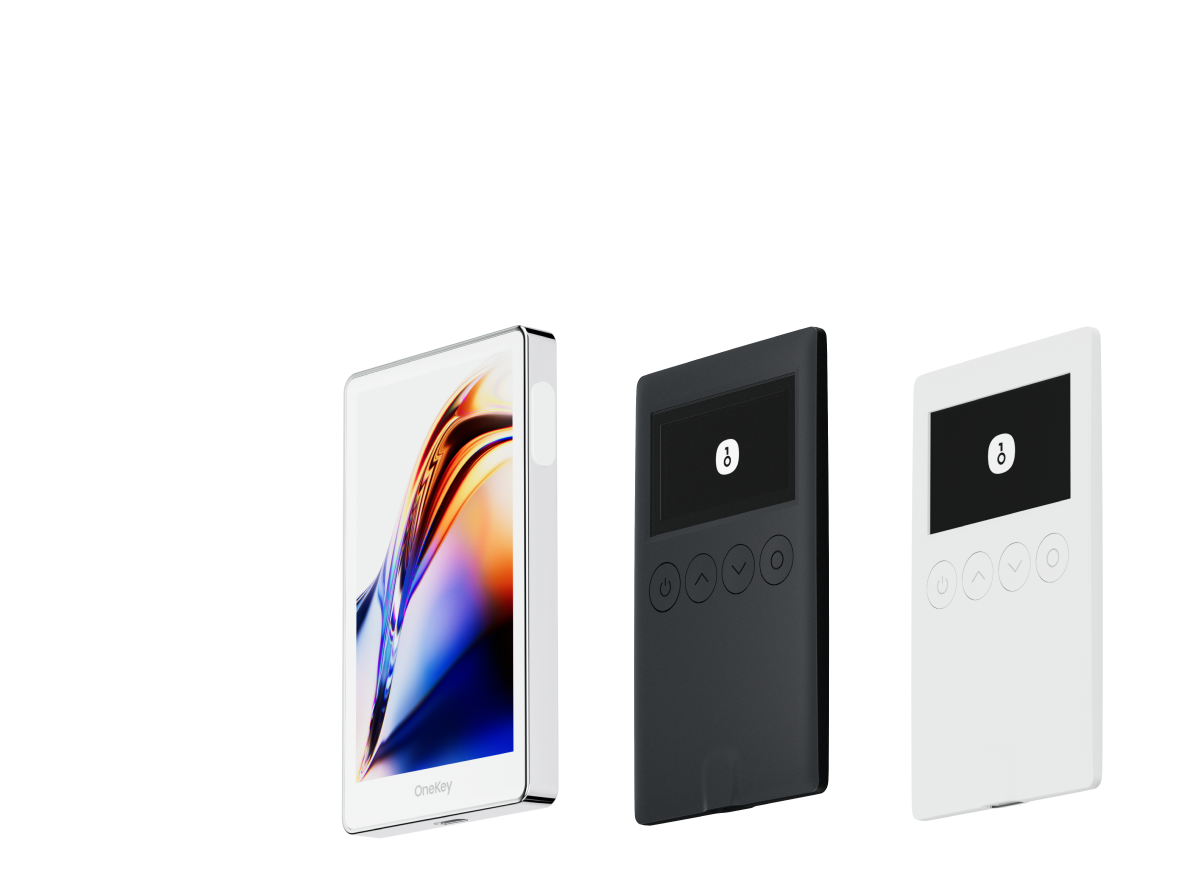
When bridging assets and interacting with L2s, strong key management is crucial. A hardware wallet minimizes risk by keeping private keys isolated from your everyday device. OneKey offers:
- EVM and Layer-2 compatibility, including Optimism and OP Stack chains
- Open-source firmware and transparent security practices
- Seamless connections to popular dapps via WalletConnect and browser extensions
If you regularly transact across L2s, using a hardware wallet like OneKey can significantly reduce the risk of compromises during bridging, signing, and governance participation.
Final Thoughts
Optimism is central to Ethereum’s scaling path, combining cost efficiency, developer-friendly tooling, and a governance model that rewards public goods. With the OP Stack enabling a multi-chain Superchain, and ongoing improvements after the Dencun upgrade, OP has become a cornerstone token for aligning the ecosystem’s long-term incentives. As always, understand the security model, use reputable bridges, and consider hardware-backed self-custody when managing assets across L2s.
This article is for educational purposes only and not financial advice.