What Is Ondo (ONDO)? Tokenizing Real-World Assets on Blockchain


Key Takeaways
• Ondo Finance tokenizes yield-bearing real-world assets, making them accessible on public blockchains.
• The ONDO token facilitates decentralized governance within the Ondo ecosystem.
• Key products like USDY and OUSG offer institutional-grade yields while ensuring compliance.
• Tokenization of real-world assets is expected to enhance financial infrastructure and interoperability in the coming years.
Tokenization is moving from concept to utility. In 2024–2025, the industry has seen a surge in on-chain representations of U.S. Treasuries, money market funds, and other real-world assets (RWAs). Ondo Finance is one of the most visible projects in this space, building infrastructure that bridges traditional finance and public blockchains. This article explains what Ondo is, how the ONDO token fits into its ecosystem, what makes its approach to RWAs unique, and how you can interact with it securely.
A Quick Primer on RWAs and Why They Matter
Real-world assets on-chain make traditionally “offline” instruments—like short-term Treasuries or cash management products—available with blockchain-native advantages: programmability, 24/7 settlement, composability with DeFi, and transparent custody. Thought leaders expect RWA tokenization to become a key piece of financial infrastructure as capital markets modernize and interoperability improves. For context, see the International Monetary Fund’s analysis of asset tokenization and market infrastructure considerations, which outlines the operational and regulatory dimensions of bringing RWAs on-chain. Reference: IMF Fintech Note on Asset Tokenization.
- IMF perspective: Asset tokenization can improve efficiency but requires robust governance, risk management, and compliance frameworks. Reference: IMF Fintech Note on Asset Tokenization.
- Ethereum standards (like ERC‑20) provide the technical backbone for fungible tokens, enabling RWAs to interact natively with DeFi. Reference: Ethereum ERC‑20 standard.
What Is Ondo Finance?
Ondo Finance is a protocol and suite of products focused on tokenizing and distributing yield-bearing real-world assets on public blockchains. Ondo’s core idea is to bring high-quality, short-duration, dollar-denominated yields on-chain, in a compliant way, and make them accessible for individuals, institutions, DAOs, and DeFi applications. Learn more at the Ondo Finance official site.
Ondo’s approach spans:
- Tokenized yield-bearing assets backed by U.S. Treasuries and bank deposits
- On-chain integrations that improve settlement speed and composability
- Compliance-aware mechanisms for issuance, redemption, and distribution
The ONDO Token: Role and Utility
ONDO is the native governance token associated with the Ondo ecosystem. Its primary role is to facilitate decentralized governance over certain protocol parameters and initiatives under the Ondo umbrella. As with most governance tokens, ONDO does not automatically constitute an ownership claim on off-chain assets or revenues—its function is to coordinate decision-making and community alignment around the Ondo protocol stack. You can find market information on ONDO, including listing details and current pricing, on Coinbase’s ONDO asset page.
Always verify the latest token utility and governance processes through official documentation. Reference: Ondo Finance documentation.
Core Products in the Ondo Ecosystem
Ondo’s products are designed to bring high-quality yield and cash-like utility on-chain, with different wrappers and access models to serve both qualified investors and permissionless DeFi use cases.
-
USDY: A tokenized, yield-bearing dollar product backed by short-term U.S. Treasuries and bank deposits, designed for operational cash management and on-chain utility. USDY is issued with compliance requirements; a wrapper token (often referred to as wUSDY) is commonly used for permissionless DeFi integrations where yield accrual is reflected via price appreciation rather than direct distribution. Reference: Ondo Finance documentation.
-
OUSG: A tokenized exposure to short-duration U.S. government securities via a fund structure, often used in DeFi as high-quality collateral or for treasury management. In practice, OUSG has served as a building block for lending protocols and capital-efficient on-chain treasury allocations. Reference: Ondo Finance documentation.
-
Instant Access to BUIDL: In March 2024, BlackRock launched its first tokenized fund on Ethereum—BlackRock USD Institutional Digital Liquidity Fund (BUIDL)—marking a major institutional step toward on-chain money-market-like products. Ondo introduced “instant access” for BUIDL, helping qualified investors move in and out more efficiently and integrate these assets with broader on-chain activities. References: BlackRock press release on BUIDL; CoinDesk coverage of Ondo’s instant access for BUIDL.
These building blocks aim to combine traditional asset safety and yield with the programmability of blockchain networks.
How Ondo Tokenization Works in Practice
Key components of Ondo’s design include:
-
Asset Custody and Compliance: Underlying assets (e.g., short-term Treasuries) are held with regulated custodians and administrators. Token issuance/redemption often requires KYC/AML and other eligibility checks. Reference: Ondo Finance documentation.
-
On-Chain Wrappers: To support permissionless DeFi, wrappers like wUSDY enable yield accrual via price appreciation, making integration straightforward for protocols while keeping the base asset’s compliance constraints intact.
-
Settlement and Composability: Ondo products run on multiple networks (with heavy usage on Ethereum), enabling integration with on-chain lending markets, DEXs, DAO treasuries, and settlement rails. Reference: Ethereum ERC‑20 standard.
Latest Developments and 2025 Context
-
Institutional Momentum: The signal from large asset managers tokenizing fund shares on public chains has accelerated RWA adoption across DeFi and institutional workflows. BlackRock’s BUIDL is one of the most prominent examples. Reference: BlackRock press release on BUIDL.
-
On-Chain Treasury Management: DAOs and crypto-native companies increasingly allocate part of their treasuries into tokenized short-term Treasuries to earn conservative yield while maintaining composability. Ondo’s products are often integrated into these setups. Reference: Ondo Finance documentation.
-
Macro Considerations: In 2025, market participants are watching interest rate shifts closely. If the Federal Reserve cuts rates, yields on short-duration instruments could decline, potentially changing the relative appeal of RWA strategies vs. other DeFi yields. For an overview of tokenization’s systemic role, see the IMF’s analysis of asset tokenization. Reference: IMF Fintech Note on Asset Tokenization.
How to Get Exposure to ONDO and Ondo Products
-
ONDO Token: ONDO is listed on major centralized exchanges and can also be acquired on-chain via DEXs. For general market information, pricing, and supported regions, consult Coinbase’s ONDO asset page.
-
Tokenized Assets (USDY, OUSG): Access may vary by jurisdiction and investor status. Issuance/redemption typically involves KYC/AML and eligibility checks, while wrapper tokens like wUSDY are used for permissionless DeFi interactions. Always confirm access requirements and documentation. Reference: Ondo Finance documentation.
-
Integrations: Ondo-wrapped assets can be used in DeFi for collateral, liquidity provision, and on-chain treasury strategies. Review technical and legal docs before engaging. Reference: Ondo Finance official site.
Risks and Considerations
-
Regulatory and Eligibility: Tokenized assets representing traditional securities often have investor eligibility constraints and may be subject to additional regulatory requirements. Global policy bodies such as FATF emphasize compliance and risk-based controls for virtual assets and service providers. Reference: FATF Guidance for Virtual Assets and VASPs.
-
Smart Contract and Custody Risk: On-chain wrappers, bridges, and protocols carry smart contract risk. Additionally, the safety of underlying assets depends on off-chain custodians and administrators. Reference: Ondo Finance documentation.
-
Market Risk: Yields from short-term Treasuries fluctuate with macroeconomic conditions. Liquidity varies across chains and integrations.
Security Tips: Self-Custody and OneKey
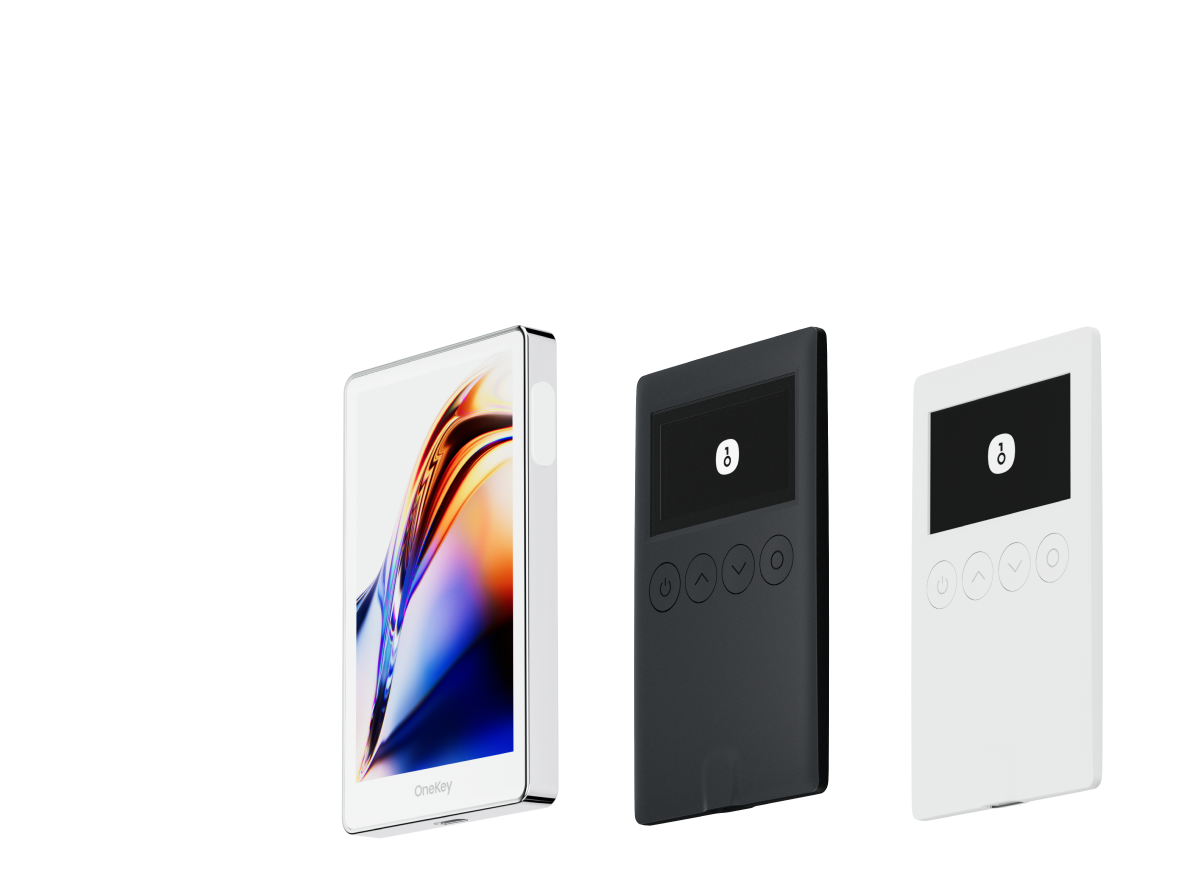
If you hold ONDO or interact with on-chain wrappers in DeFi, self-custody helps you maintain control over your keys and governance participation. A hardware wallet adds strong isolation between your keys and your everyday environment.
OneKey is designed for multi-chain, DeFi-native workflows:
- Secure offline key storage with open-source firmware and transparent design
- Support for major networks including Ethereum, enabling direct interaction with ONDO and Ondo-related integrations
- Seamless DeFi connectivity via WalletConnect-compatible dApps, letting you approve transactions on-device while keeping private keys offline
If you plan to hold governance tokens long-term, or interact with permissionless wrappers like wUSDY, using a hardware wallet can significantly reduce attack surface and help prevent signing malicious transactions.
Final Thoughts
Ondo Finance sits at the intersection of decentralized infrastructure and traditional capital markets, bringing short-duration yield and cash management on-chain. The ONDO token coordinates governance in the ecosystem, while tokenized products like USDY and OUSG make institutional-grade instruments programmable for DeFi and treasury use cases. As tokenization accelerates in 2025, expect more integrations, improved settlement rails, and closer alignment between crypto-native and institutional liquidity.
Before participating, review official docs and eligibility requirements, assess macro risks, and use robust self-custody practices. For secure, multi-chain self-custody of ONDO and DeFi assets, consider a hardware wallet like OneKey to keep your keys offline and your governance power in your hands.
References and further reading:
- Ondo Finance official site
- Ondo Finance documentation
- Coinbase ONDO asset page
- BlackRock press release on BUIDL
- CoinDesk coverage of Ondo’s instant access for BUIDL
- Ethereum ERC‑20 standard
- IMF Fintech Note on Asset Tokenization
- FATF Guidance for Virtual Assets and VASPs