What Is LUNAI Token? The AI-Enhanced Successor to Luna Ecosystem


Key Takeaways
• LUNAI represents a shift towards AI-enhanced decentralized networks, aiming to improve token utility and governance.
• The token could serve multiple roles, including as a fee settlement token, staking asset, and governance tool.
• Users should verify token authenticity, understand AI integrations, and evaluate tokenomics before engaging.
The idea of LUNAI—an AI-enhanced successor to the Luna ecosystem—reflects a broader shift in crypto: decentralized networks are experimenting with intelligent agents, data-driven tokenomics, and on-chain automation. Whether LUNAI emerges as a community token or a formal network initiative, the concept sits at the intersection of Terra’s infrastructure and the accelerating trend of AI x crypto.
This article explains the potential design, utility, and risks of a LUNAI-style token, situates it in Terra’s history, and highlights what users should verify before engaging.
Terra’s Journey and Why an AI Successor Matters
Terra was one of the most impactful Layer 1s in the 2020–2022 cycle, best known for UST, an algorithmic stablecoin that lost its peg and precipitated a systemic collapse. The network later split into Terra Classic (LUNC) and Terra 2.0 (LUNA), with ongoing community and developer work on the latter. For background on Terra’s architecture and rebuild efforts, see the official Terra documentation and overview pieces like CoinDesk’s guide to Terra and the UST collapse. Regulatory context also matters; the U.S. SEC’s 2023 action against Terraform Labs and its founder underscores the importance of compliance and robust risk controls (SEC press release).
Against this backdrop, an “AI-enhanced successor” is compelling: it suggests using agentic automation, richer data signals, and transparent governance to avoid past pitfalls and to unlock new utility.
What Could LUNAI Be?
- An AI-integrated utility token on Terra 2.0: built with Cosmos SDK modules and smart contracts (via CosmWasm), enabling AI agents to interact with DeFi, governance, and data markets. See the Cosmos SDK documentation and CosmWasm docs for the underlying tech stack Terra uses.
- A cross-chain asset: thanks to IBC, a LUNAI-style token could move across the interchain for liquidity and composability, extending utility beyond Terra. Learn more in the IBC protocol docs.
- A data-and-compute economy primitive: tying token utility to the provisioning, validation, and consumption of machine learning inference, signals, and automation.
Because naming in crypto can be confusing, always verify contract addresses and chain IDs via official portals. For Terra assets, check Terra Station. For broader listings, confirm on CoinMarketCap or CoinGecko.
How AI Could Enhance a Luna Successor
- Decentralized inference networks: LUNAI could pay for model outputs or routing across decentralized AI networks, rewarding high-quality providers and penalizing low-quality spam. For reference, see how networks like Bittensor incentivize machine learning contributions.
- Agentic automation for DeFi: user-defined AI agents could rebalance portfolios, monitor risk, and submit batched transactions. Account abstraction on EVM chains (e.g., EIP-4337) shows how programmable wallets can support automated flows; similar patterns are feasible on Cosmos via CosmWasm and off-chain relayers.
- Trusted data inputs via oracles: AI systems still need reliable, tamper-resistant data. Oracle networks secure on-chain price feeds and external data—see Chainlink’s overview—which can help prevent fragile designs that rely on unstable signals.
- Cross-chain composability: with IBC, agents and dApps could coordinate across Cosmos app-chains, creating multi-chain strategies that move capital and data where it’s most effective (IBC protocol).
Potential Token Utility
- Fee and settlement token: pay for inference, routing, data queries, and automated transaction execution.
- Staking and security: validators and delegators secure the network; AI task markets could require stake-slashing for malicious outputs or sybil behavior.
- Governance: token-weighted voting on model whitelists, oracle sources, and risk parameters—crucial given Terra’s history.
- Incentives: rewards for high-quality AI outputs, data curation, and honest participation; retroactive grants for open-source tooling.
Design Considerations for a Resilient AI-Enhanced Ecosystem
- Transparent risk controls: publish clear fail-safes and circuit breakers for automated strategies; document oracle sources; audit smart contracts and agent frameworks regularly. The past collapse illustrated the dangers of opaque mechanisms (CoinDesk overview).
- Measurable model quality: require verifiable benchmarks, reputation scores, and slashing for spam or low-quality outputs; leverage decentralized AI design lessons from networks like Bittensor.
- Composability-first: use IBC for liquidity and module reuse across Cosmos, while minimizing vendor lock-in (IBC protocol docs).
- Compliance posture: monitor evolving regulation around AI and crypto, especially for consumer-facing automation and synthetic data markets. Prior SEC actions in the Terra context highlight the importance of transparency (SEC press release).
How Users Might Interact with LUNAI
-
Verify provenance:
- Confirm whether LUNAI is native to Terra 2.0 or issued as a token via CosmWasm.
- Check official announcements and the asset’s page on Terra Station.
- Verify listings on CoinGecko or CoinMarketCap and compare contract addresses.
-
Understand the AI integrations:
- Review documentation for any decentralized inference integrations (e.g., Bittensor docs) or oracle dependencies (Chainlink overview).
- Identify what parts are on-chain vs. off-chain, and how integrity is enforced.
-
Evaluate tokenomics:
- Look for emissions schedule, staking yields, and slashing rules tied to AI task performance.
- Read audits and risk disclosures; confirm whether governance can pause agents or modules during anomalies.
-
Custody and security:
- Use cold storage for long-term holdings and keep signing offline whenever possible.
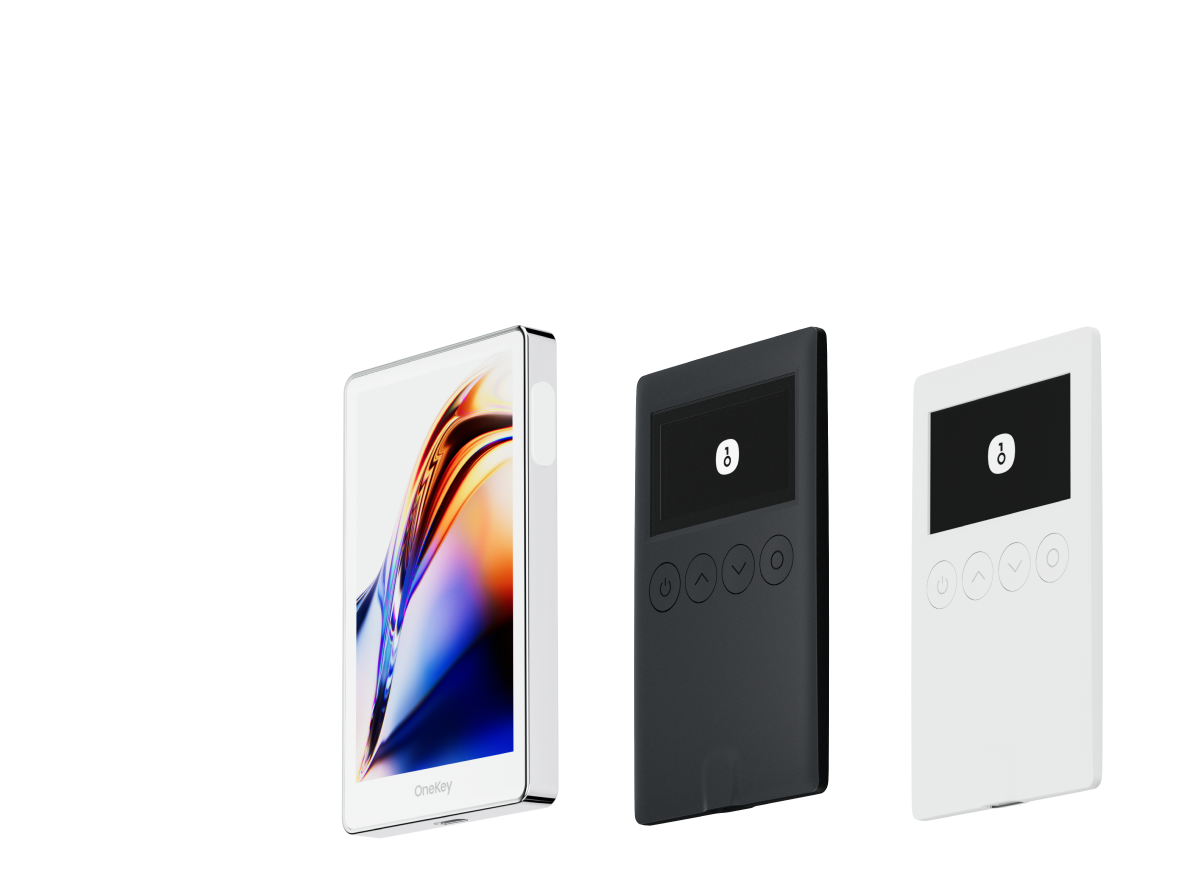
- If LUNAI launches on a chain supported by your tools, a hardware wallet like OneKey can help with secure, offline key management and transparent, open-source firmware—useful when interacting with automated agents and frequent contract approvals.
Frequently Asked Questions
-
Is LUNAI live?
- Naming in crypto is fluid, and multiple projects may use similar tickers. Always confirm via official chain explorers or Terra Station, and cross-check on CoinGecko or CoinMarketCap.
-
Will AI agents manage funds autonomously?
- They can, but you should configure permissions carefully, limit allowances, and monitor activity. Learn about safe automation patterns via programmable wallet frameworks like EIP-4337, and apply similar principles in Cosmos ecosystems.
-
How does this differ from Terra’s past model?
- An AI-enhanced design focuses on data markets, inference payments, and agent tooling rather than algorithmic stablecoin pegs. Risk management, oracle quality, and governance transparency are key—see Chainlink for data integrity patterns and CosmWasm docs for safe contract design.
Final Thoughts
If LUNAI emerges as an AI-enhanced successor to Terra’s Luna ecosystem, its success will hinge on transparent tokenomics, rigorous risk controls, high-quality data pipelines, and responsible agent automation. Users should validate the token’s authenticity, scrutinize documentation, and secure their holdings with best practices.
For those planning to engage with agent-driven DeFi or frequent smart contract interactions, strong self-custody is essential. A hardware wallet like OneKey—known for open-source firmware, offline signing, and multi-chain capabilities—can reduce key exposure and help you maintain control as AI agents execute on-chain strategies.