VELVET Token Overview: Bringing Luxury and Art to Web3


Key Takeaways
• VELVET is a fungible token designed to enhance the luxury and art ecosystem on-chain.
• The token enables verifiable ownership, programmable experiences, and community engagement.
• Future trends in 2025 will improve user experience and institutional participation in tokenization.
• Security and compliance are critical for collectors engaging with high-value digital assets.
Luxury and art have long relied on provenance, scarcity, and curation. Web3 brings those same pillars on-chain, enabling verifiable ownership, programmable experiences, and global markets. The VELVET token sits squarely at this intersection: a fungible asset designed to power a luxury-and-art ecosystem while interoperating with non-fungible assets representing artworks, collectibles, and “phygital” goods.
This overview explains how a token like VELVET can align incentives between creators, collectors, and curators, and what to evaluate before engaging. It also highlights industry developments in 2025 that make this category more compelling than ever.
Why luxury and art belong on-chain
- Verifiable provenance: NFTs track ownership and authenticity on public ledgers, with widely adopted standards such as the ERC‑721 and ERC‑1155 token formats that enable unique and semi-fungible items to be represented on Ethereum. See the standards for ERC‑721 and ERC‑1155.
- Enterprise adoption: Major luxury houses collaborate on blockchain-based product authentication via initiatives like the Aura Blockchain Consortium, while leading auction platforms continue expanding on-chain sales through Christie’s 3.0 and Sotheby’s Metaverse.
- Phygital authentication: NFC and QR standards, including the GS1 Digital Link, are increasingly used to bind physical items to on-chain records, providing tamper-evident authenticity at scale.
Together, these trends lay the groundwork for tokens that connect curated experiences and premium assets with digitally native communities.
What is the VELVET token?
VELVET can be conceptualized as a fungible token (ERC‑20 on Ethereum or compatible L2s) that integrates with an ecosystem of non-fungible assets and memberships. Its goals typically include:
- Access and membership: Token-gated entry to private releases, in-person events, or curatorial forums.
- Curation and governance: Voting on exhibitions, artists, and partnerships; staking or delegation to expert curators.
- Rewards and loyalty: Earned via participation, long-term holding, or contributions such as provenance research or community moderation.
- Utility across assets: Pairing fungible VELVET holdings with a portfolio of curated NFTs and phygital items.
To make NFTs more “account-like,” projects increasingly leverage token-bound accounts (EIP‑6551), where an NFT can own assets and execute transactions. This enables a luxury item (represented as an NFT) to carry its own provenance, access rights, or rewards logic—an approach that fits premium collection experiences.
2025 industry dynamics to watch
- Smart wallets and account abstraction: As implementations of EIP‑4337 mature, UX improves for non-custodial users through features like social recovery and session keys. Luxury experiences can become less cumbersome without sacrificing self-custody.
- Tokenization of real-world assets (RWA): Institutional participation grew meaningfully after initiatives like BlackRock’s tokenized fund on public chains; see the announcement for BlackRock’s first tokenized fund on a public blockchain. While RWAs are distinct from art NFTs, infrastructure advances benefit high-end provenance and settlement use cases.
- Enterprise provenance: Brand coalitions and auction houses continue expanding on-chain integrations for authenticity and sales, making the bridge between traditional collecting and Web3 smoother. References: Aura Blockchain Consortium, Christie’s 3.0, Sotheby’s Metaverse.
How VELVET could be architected
- Chain selection and scaling: Deploy core contracts on Ethereum for security and composability, with L2 expansions for cost-effective minting and interactions; see Ethereum’s overview of scaling approaches.
- Token portfolio model:
- Fungible utility: VELVET as the medium for membership, curation signals, or staking for access rights.
- Non-fungible inventory: Curated ERC‑721 / ERC‑1155 items representing artworks or authenticated luxury goods.
- Token-bound accounts: NFT-native accounts via EIP‑6551 to attach rights, rewards, or composable ownership histories to individual items.
- Provenance and authentication: Use NFC/QR tags linked via standards such as GS1 Digital Link, anchoring off-chain attestations to on-chain records.
- Interoperability with auctions and galleries: Allow KYC-gated sales, compliance-aware marketplaces, and curated discovery. Where enterprise compliance is needed, ensure alignment with EU MiCA and FATF Travel Rule guidance.
Token economics and governance considerations
- Distribution: Avoid excessive concentration; clarify vesting schedules for team and advisors; consider community allocations tied to curation merit.
- Utility vs. security: Clearly define whether VELVET is a utility/membership token; jurisdictions differ in classification, and compliance frameworks like MiCA set requirements for public offerings, disclosures, and reserve rules for specific token types.
- Royalty and revenue flows: On-chain royalties are not universally enforced across marketplaces; design loyalty benefits independent of external fee switches to preserve collector incentives.
- Risk controls: Bridges and cross-chain strategies can introduce security risk; review historic patterns of exploits in cross-chain systems, such as the analysis of cross-chain bridge hacks, and apply defense-in-depth.
For collectors: what to evaluate before engaging
- Authenticity pipeline: Are physical items verifiably linked (NFC/QR) to on-chain records with trustworthy attestation flows?
- Contract audits and provenance logic: Are smart contracts audited, upgrade controls well-defined, and provenance entries immutable or transparently versioned?
- Economic clarity: Is token utility clearly described (membership, curation, rewards) with transparent supply, emissions, and lockups?
- Governance and curation: How are curators selected, and how do token holders influence artist selection and exhibition programming?
- Market access: Are integrations with reputable marketplaces or auction platforms in place for liquidity and discovery?
- Compliance posture: Does the project operate with proper disclosures in relevant jurisdictions and follow guidance such as MiCA and FATF?
Security essentials for luxury and art collectors
High-value digital assets demand strong self-custody. Use hardware wallets, dedicated signing devices, and smart wallet features (e.g., via account abstraction per EIP‑4337) to manage permissions safely.
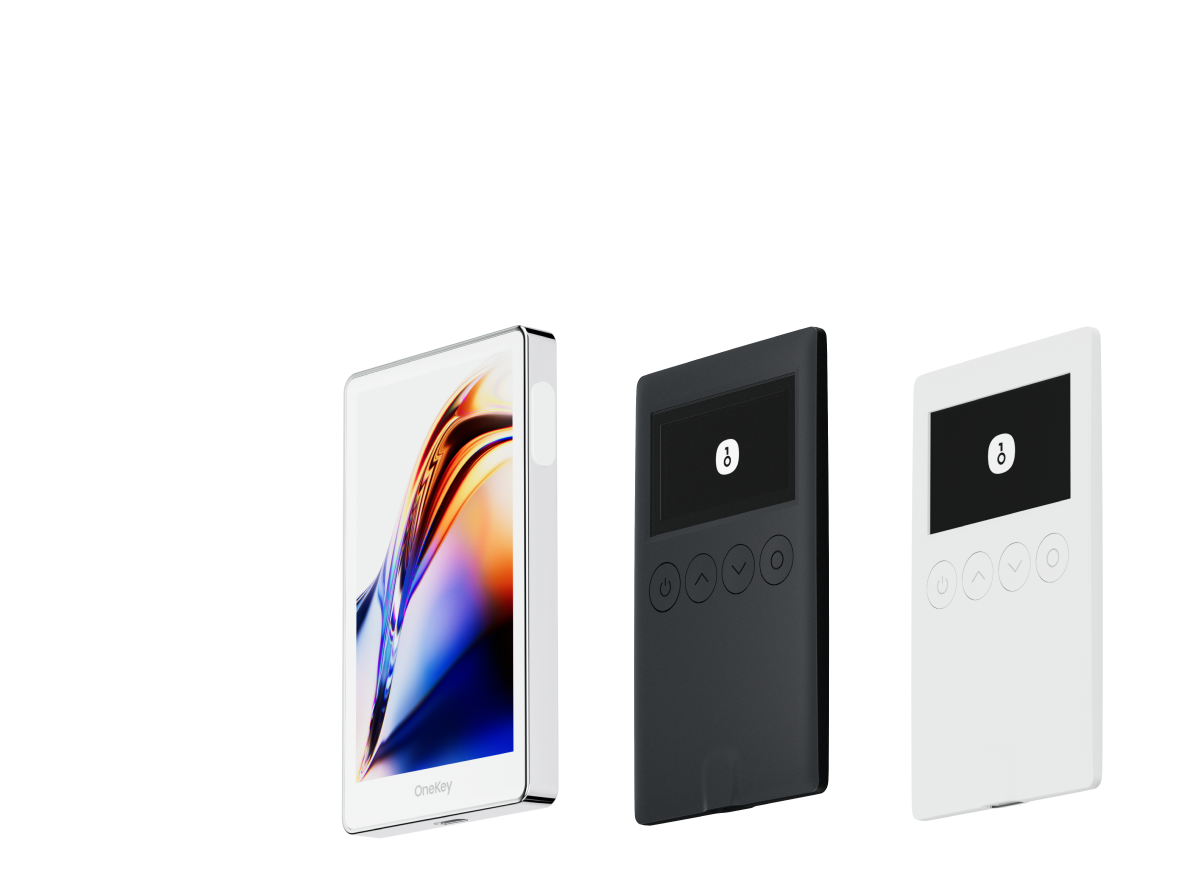
OneKey is a hardware wallet designed for multi-chain communities who care about provenance and premium assets. For a VELVET-style ecosystem, OneKey’s strengths include:
- Offline private key storage for fungible tokens and NFTs
- Human-readable transaction previews for safer signing
- Broad EVM and L2 support for lower-cost interactions in curated drops
- Open-source firmware and clients, aiding transparent security reviews
Whether you collect fine art NFTs, authenticated luxury items, or participate in token-gated exhibitions, combining a robust custody setup with curated on-chain experiences can dramatically reduce risk.
Final thoughts
VELVET-like tokens offer a powerful blueprint: unite a community around curation, access, and provenance while leveraging Web3’s composability. In 2025, better smart wallet UX, enterprise provenance standards, and institutional advances in tokenization are converging to make luxury-and-art experiences richer and more secure. As always, evaluate authenticity pipelines, token utility, compliance posture, and security controls before participating—and safeguard holdings with a hardware wallet and prudent operational practices.