USELESS Token Explained: The Meme Coin With a Sarcastic Twist

Key Takeaways
• USELESS tokens leverage irony and humor as a marketing strategy.
• Verify contract addresses and tokenomics before investing in any memecoin.
• Security practices, such as using hardware wallets, are crucial in protecting your assets.
If you’ve spent any time in crypto recently, you’ve probably seen tokens that lean into irony: coins that proudly claim to be “useless,” “worthless,” or “a joke”—and then moon on pure meme energy. The USELESS token archetype is a perfect case study for this meta-humor: it’s a memecoin that flips utility marketing on its head and asks, “What if the joke is the utility?”
This article breaks down how “USELESS” style tokens tend to work, how to evaluate one before you ape, and how to protect your keys if you do decide to participate.
Note: None of this is financial advice. Memecoins are high risk and extremely volatile.
Why does a “USELESS” meme coin exist—on purpose?
Memecoins are reflexive by design: they’re narratives first, assets second. In 2024–2025, memecoins have remained one of the most active segments of crypto, especially across fast, retail-friendly chains like Solana and Base. The combination of low-friction DEX trading, social virality, and a constant stream of new narratives keeps liquidity rotating between memes, sometimes with breathtaking speed. You can track the category’s size and sub-sectors via CoinGecko’s live Meme Token category.
The USELESS motif pushes a sarcastic twist: if everything is speculation, the token that admits it—loudly—can resonate with traders who want in on the joke. The irony can be effective marketing.
What “USELESS” usually means in practice
Every token is different, but many “USELESS” style coins share a few patterns:
- Minimal or zero promised utility
- Community-first narrative and social memes as the core driver
- Simple token mechanics (often standard ERC-20 or SPL tokens)
- Emphasis on “renounced ownership,” “burns,” or “LP locks” as trust signals
- Trading on DEXs rather than centralized exchanges (at least early on)
The mechanics themselves aren’t special. On Ethereum, most memecoins are standard ERC‑20 tokens. On Solana, they’re SPL tokens via the Token Program. The narrative is what carries them.
How to verify you’re looking at the right token
When a meme narrative catches fire, copycats proliferate. If you decide to research a USELESS coin, confirm the contract address before doing anything:
- Find the official contract address from the project’s canonical X/Telegram/website. Cross-verify across sources.
- Open the contract on an explorer:
- Check:
- Contract source code verified on the explorer
- Deployer address and any ownership/privileged functions
- Holders distribution and top wallets concentration
- LP pair contract (if DEX-listed) and its liquidity depth/locks
- Cross-check live pairs and liquidity on a market aggregator like Dexscreener.
If the token is “multi-chain,” verify each chain’s contract. Imposters frequently publish lookalike tickers on other networks.
Tokenomics to read closely (even for a “useless” coin)
“Useless” doesn’t mean unstructured. Tokenomics still matter:
- Supply and distribution: How many tokens? Any large team or treasury allocations? Reference basics via this Tokenomics glossary.
- Taxes: Some memecoins add buy/sell fees that fund marketing, LP, or burns. Taxes affect slippage and execution price.
- Ownership and permissions: Claims of “renounced ownership” can be verified on explorers. Beware hidden admin functions that can change fees, trading rules, or blacklist users.
- Liquidity: Thin or unlockable LP can be rugged. “LP locked” claims should have verifiable on-chain proof.
Trading mechanics: slippage, gas, and gotchas
- Slippage: Volatile pairs can move quickly; you may need to adjust slippage, but high slippage exposes you to worse fills. Understand the basics of slippage.
- Gas and congestion: On busy days, higher Ethereum gas or Solana network congestion can create failed or delayed transactions. Use appropriate fee settings.
- Honeypots and trade restrictions: Some malicious contracts block sells or throttle transfers until insiders exit. Learn how rug pulls work and common red flags in this primer on rug pulls in DeFi.
A practical approach:
- Test with a tiny trade first.
- Verify taxes and any transfer limits by reviewing the contract “Read/Write” panels on the explorer.
- Revoke approvals after trading using Etherscan’s Token Approval Checker.
Security first: keep the joke on-chain, not on your keys
Memecoins are speculative; your seed phrase doesn’t have to be. A few security practices that pay off:
- Use a hardware wallet to keep private keys offline when connecting to DEXs and signing transactions.
- Segment risk: Consider a separate wallet for degen trading. Don’t mix with your long-term holdings.
- Minimize token approvals; revoke them regularly after you’re done trading.
- Be skeptical of links in Discord/Telegram—phishing is rampant, and fake “airdrop claim” sites are a common trap. Official links should be pinned and match the verified domains.
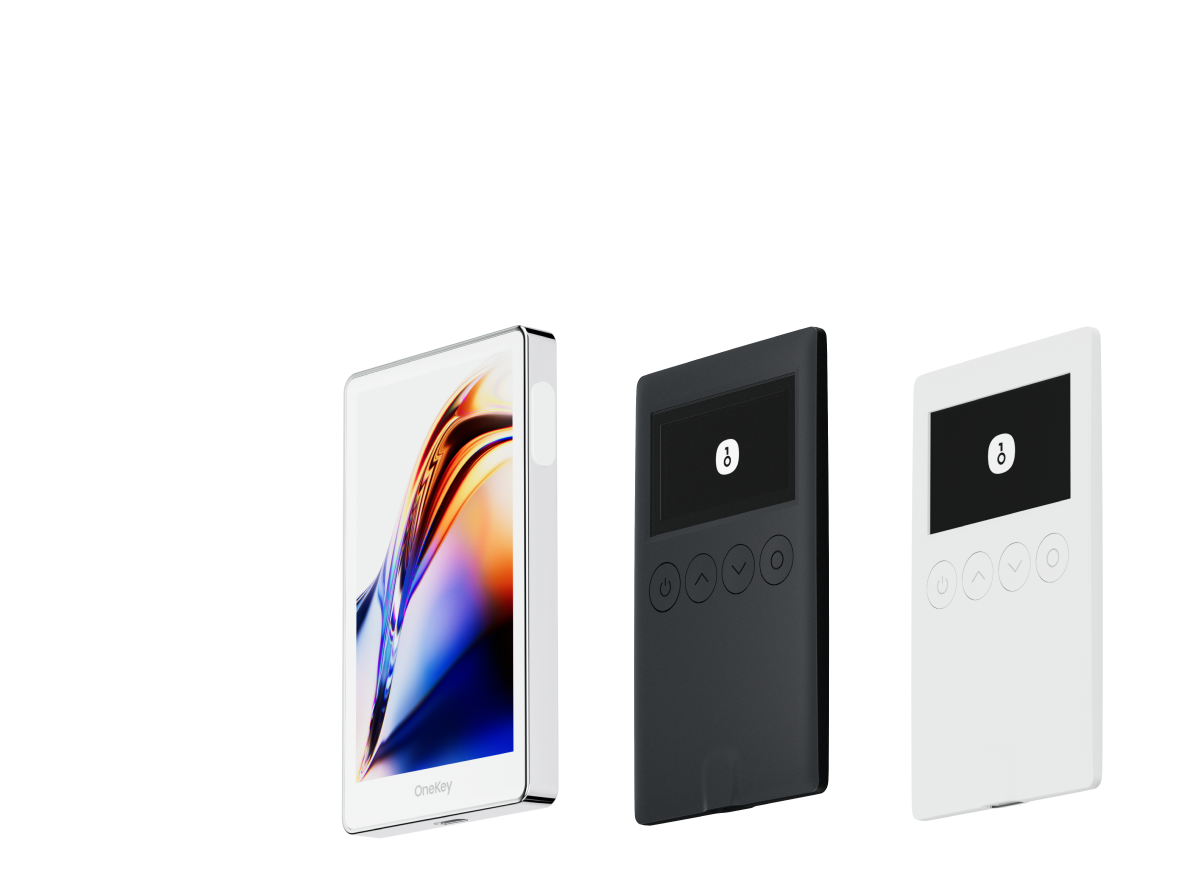
If you want a straightforward hardware wallet to isolate your trading funds and still sign on EVM, Solana, and emerging L2s like Base, OneKey is open-source and supports major chains used by memecoins. Keeping keys offline while interacting with DEXs through the OneKey app reduces the blast radius if a dApp or browser session is compromised. It’s a practical way to experiment with high-volatility tokens while preserving core security hygiene.
A quick research checklist for any USELESS-style token
- Contract address verified on the correct chain
- Source code verified; scan for admin functions and fee setters
- Holder distribution: no single whale or contract controlling a dangerous share
- LP depth sufficient; LP tokens locked with verifiable proof
- Reasonable taxes; not changing post-launch
- Community channels active and consistent across platforms
- Trades executable both directions (buy/sell) with normal slippage
Bottom line
The USELESS meme coin archetype is a social phenomenon first and a token second. The joke is the point—and in a memecoin market driven by narrative and reflexivity, sometimes that’s enough to move price. But irony doesn’t protect capital. If you participate, size positions conservatively, validate contracts on-chain, and keep your keys offline.
Store what matters with hardware, trade with a risk-segregated wallet, and only commit what you can afford to lose. In memes we trust—on-chain we verify.