TROLL Token Explained: Internet Culture Meets Blockchain

Key Takeaways
• TROLL tokens are meme coins that embody internet culture and humor within blockchain assets.
• Always verify the contract address and source code before trading any TROLL token.
• Be aware of trading risks such as slippage, MEV, and network congestion.
• Use hardware wallets for long-term custody of TROLL tokens to enhance security.
• Conduct thorough due diligence to avoid scams and ensure safe trading practices.
Memes have always been the native language of the internet. In crypto, they’ve evolved into tokens with communities, liquidity, and real capital behind them. “TROLL” is a ticker you’ll likely see in the wild—sometimes as a standalone project, other times as a playful tribute to trolling culture. This guide explains how TROLL-style tokens work, what to check before you trade, and how to keep your assets safe without getting lost in the noise.
What exactly is a “TROLL” token?
A TROLL token is typically a meme coin that packages internet humor—trolling, satire, and community-driven virality—into a blockchain asset. There’s no single, canonical “TROLL” across all chains. Multiple teams can (and do) deploy tokens with the same ticker on different networks. That makes contract verification essential.
- On Ethereum, meme coins usually follow the ERC‑20 standard, which defines how fungible tokens behave. You can learn the basics of ERC‑20 on the official developer docs at Ethereum.org, including allowances and transfers (see the overview of the ERC‑20 standard).
- On Solana, memes are issued as SPL tokens. You can review the standard on the Solana Program Library (SPL Token).
- Many meme tokens now launch on layer 2 networks to reduce costs and increase throughput. For a snapshot of active L2s and their adoption, check L2BEAT.
- Even Bitcoin has meme-driven experiments, from BRC‑20 to the newer Runes protocol that aims to make fungible assets more space-efficient on Bitcoin.
Bottom line: “TROLL” is more of a cultural motif than a singular asset. Always identify the exact contract address on the specific chain you care about.
How TROLL-style tokens typically launch
Most meme coins follow one of a few patterns:
- Fair launch on a DEX: A deployer creates a token, seeds liquidity on a decentralized exchange (for example, Uniswap on Ethereum), and the market takes it from there. If you’re new to DEX mechanics, the Uniswap protocol overview explains liquidity pools, LP tokens, and pricing.
- Stealth launch or spontaneous community mint: On Solana, platforms like pump.fun popularized low-friction mints that can snowball into viral trades.
- Presale then listing: A team raises funds before opening trading. This adds project execution risk on top of trading risk.
Regardless of the format, the first hours often feature high volatility, thin liquidity, and lots of bots. Set expectations accordingly.
On-chain signals to verify before you touch a TROLL token
A few minutes of due diligence can save a portfolio. Here’s what to review on the block explorer before you buy or add liquidity.
-
Contract verification and source code
- On Ethereum, confirm the token contract is verified on Etherscan. Read the contract to see transfer logic and any privileged functions.
- Compare the implementation to a standard like OpenZeppelin ERC‑20. Significant deviations aren’t always bad, but they warrant scrutiny.
-
Ownership and upgradeability
- If the contract uses an access control pattern (for example, Ownable), check whether the owner can change fees, blacklist wallets, or pause trading.
- Claims of “ownership renounced” can be misleading if the token routes logic through proxies. Understand proxy upgrade patterns and look for admin keys.
-
Mint and supply controls
- Verify whether minting is disabled and if the total supply matches public claims. If minting remains open, the team could increase supply unexpectedly.
-
Taxes and transfer hooks
- Some meme tokens implement transfer taxes or special handlers. These can fund marketing or burns, but they can also be used as honeypots. A refresher on such traps is available via Binance Academy’s explainer on honeypot scams in DeFi.
-
Liquidity context
- How much initial liquidity is added, and by whom? Are LP tokens burned or locked? Understand how LP tokens work and why they matter by reviewing the Uniswap docs.
-
Explorer hygiene and social verification
- Match the contract address against the project’s official links, and beware of copycats. On Ethereum, use Etherscan to confirm the exact address. On Solana, confirm the mint address via the project’s verified channels.
Trading realities: slippage, MEV, and chain congestion
-
MEV and sandwich risk on Ethereum
- Hot meme markets attract searchers who attempt to reorder or insert transactions around yours. Learn the basics of MEV on Ethereum.org. If you’re trading directly from your wallet, consider submitting via an MEV-protected relay such as Flashbots Protect to reduce sandwich risk.
-
Throughput and congestion on Solana
- Solana periodically experiences heavy load during meme surges, leading to dropped or delayed transactions. The core team has published updates on performance and mitigations; see the Solana Foundation’s note on network performance improvements.
-
Layer 2 dynamics
- Cheaper fees on L2s encourage micro-trades and fast rotations. Verify the exact network (for example, Base, Arbitrum, or Optimism) and bridge only via official portals you trust. A broad view of L2 ecosystems and TVL can be found on L2BEAT.
Legal and market caveats
Meme coins live at the intersection of culture and speculation. Promotions by celebrities or influencers can trigger regulatory scrutiny, especially if disclosures are lacking. For context, the U.S. SEC fined a celebrity in 2022 for touting a token without proper disclosure; see the Commission’s press release on the EthereumMax case. While not a judgment on any specific meme coin, it’s a reminder to approach hype with caution.
Crypto crime data also shows a long tail of rug pulls and scams in speculative markets. Chainalysis’ latest public overview highlights patterns in on-chain exploitation and fraud; see their 2024 Crypto Crime Report.
A practical checklist before you “ape” into any TROLL
- Confirm the exact chain and contract address on a reputable explorer.
- Read the verified contract and look for owner-only functions, taxes, or blacklists.
- Gauge initial liquidity, trading volume, and holder distribution.
- Trade with slippage controls and consider MEV protection when applicable.
- Avoid clicking random “Buy” buttons on social posts; use a trusted DEX UI.
- Limit approvals: after you trade, review and revoke allowances using a tool like the Etherscan Token Approval Checker.
- Assume extreme volatility and size your position accordingly.
If you’re unsure about a token, sometimes the best trade is no trade. There will always be another meme.
Securing your TROLL tokens: custody and ops
Speculative trading is one thing; long-term custody is another. If your TROLL bag becomes meaningful, separate hot trading wallets from cold storage.
- Keep long-term holdings in a hardware wallet where private keys never touch the internet.
- Use per-token accounts or sub-wallets to reduce blast radius if a single approval is compromised.
- Regularly audit approvals and revoke unnecessary spending permissions.
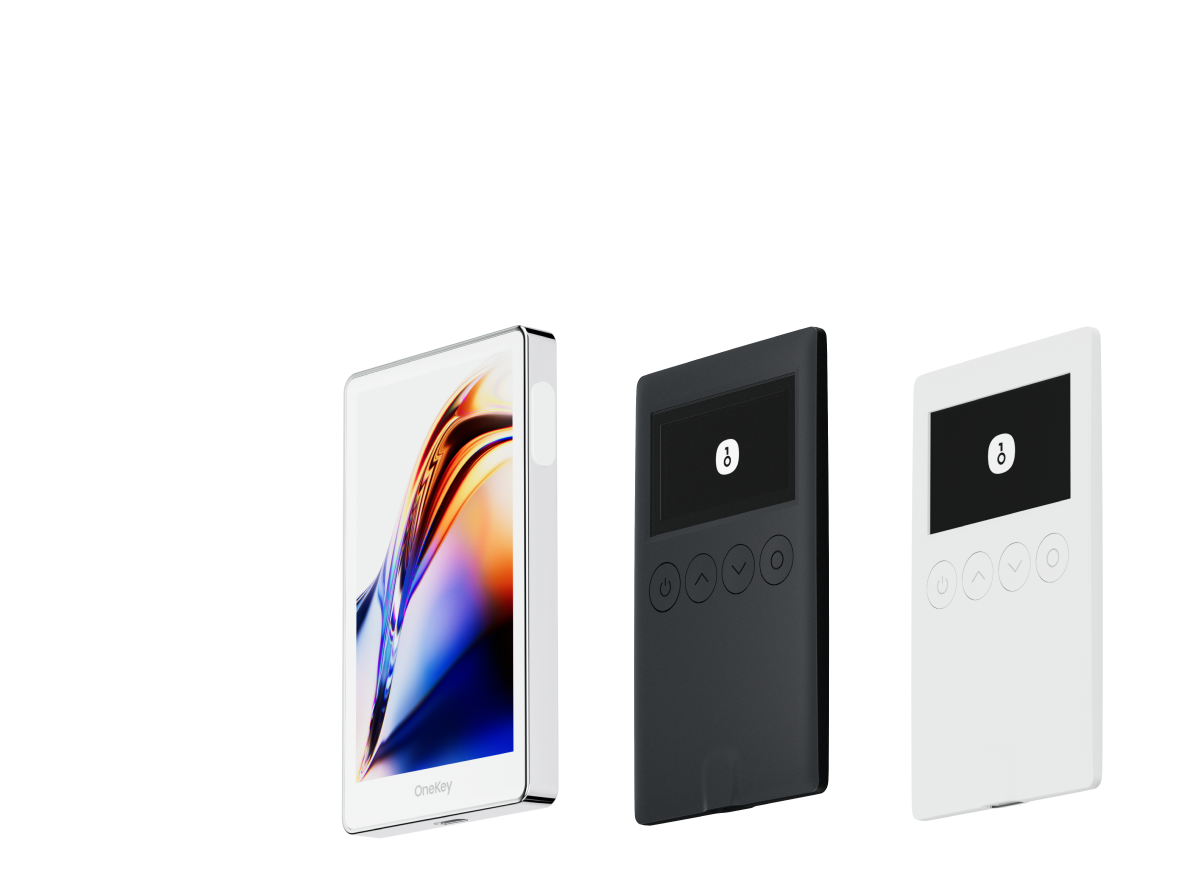
For users who want open-source transparency and multi-chain coverage without friction, OneKey offers hardware wallets that keep your keys offline while still letting you interact with EVM and Solana dApps through wallet connectors. That combination is useful in meme markets: trade with a hot wallet, then sweep to cold storage managed by OneKey for safer holding, with clear signing prompts that help you spot suspicious transactions before you approve them.
Where to look next
- Learn how fungible tokens are standardized on Ethereum (ERC‑20) and Solana (SPL).
- Review DEX mechanics with the Uniswap protocol overview.
- Understand MEV risks via Ethereum.org’s MEV primer and consider Flashbots Protect if you trade on Ethereum.
- Track L2 ecosystems on L2BEAT and verify asset pages on CoinGecko.
- Stay alert to red flags with Chainalysis’ Crypto Crime Report and a refresher on honeypot scams.
Final thought
TROLL-style tokens are a mirror of internet culture: chaotic, entertaining, and sometimes surprisingly enduring. If you participate, treat them like high-beta experiments. Verify contracts, respect risk, and upgrade your operational security. When it’s time to safeguard what you’ve earned, move critical holdings to cold storage—OneKey can help you do that without sacrificing the convenience you need to navigate fast-moving markets.