SHIB Token Explained: How Shiba Inu Became a Global Crypto Trend


Key Takeaways
• SHIB is an ERC-20 token that gained fame through meme culture and community engagement.
• The Shiba Inu ecosystem includes tokens like BONE and LEASH, and features a decentralized exchange (ShibaSwap) and a Layer 2 network (Shibarium).
• Community-driven burn campaigns and transparency in tokenomics play a significant role in SHIB's identity.
• Security measures for holding SHIB include using self-custody wallets and verifying contract addresses.
• SHIB continues to attract attention due to its vibrant community and ongoing ecosystem development.
Shiba Inu, better known by its ticker SHIB, is among the most recognizable names in crypto. What began as a meme-infused experiment on Ethereum grew into a global community, a multi-token ecosystem, and a Layer 2 network. This article explains how SHIB rose to prominence, what powers its ecosystem today, and how to approach security and custody if you hold the token.
What is SHIB?
SHIB is an ERC‑20 token issued on Ethereum, meaning it follows the ERC‑20 standard for fungible tokens. The token debuted in 2020 with an enormous supply design and a community-first ethos, eventually expanding into a broader suite of products such as ShibaSwap and the Shibarium Layer 2.
Key historical points:
- Initial tokenomics famously sent a large share of supply to Vitalik Buterin, who later burned about 90% and donated the rest to charity—an event that helped cement SHIB’s narrative as a community-driven project. This was widely reported at the time, including by CoinDesk.
- SHIB maintains a massive holder base, with transparent on‑chain data available via Etherscan’s token profile and market stats from sources like CoinMarketCap.
Because SHIB lives on Ethereum, it benefits from the security and tooling of the Ethereum ecosystem while inheriting ERC‑20 composability across DeFi apps and exchanges.
How Shiba Inu Became a Global Trend
Three forces combined to propel SHIB from obscurity to mainstream awareness:
-
Social virality and meme culture
SHIB emerged during the 2020–2021 bull market as retail traders sought high‑beta exposure and culture-driven communities. Meme coins rode waves of viral content, and Shiba Inu’s branding, grassroots campaigns, and rapidly expanding online presence helped it reach a global audience. The meme-coin narrative reappeared in later cycles too, with coverage of broad memecoin rallies during crypto upswings—for example, in early 2024 Reuters reported renewed momentum across the category as markets heated up again (Reuters). -
Exchange support and liquidity
Fast listings across major exchanges and DeFi venues increased access and liquidity. With deep order books and ubiquitous trading pairs, SHIB became easy to buy, sell, and integrate, which accelerated network effects. -
Expanding utility via ecosystem products
The team and community iterated on tools beyond memes, creating a DEX, NFTs, and a Layer 2 scaling network. Each new component—especially a low-fee L2—gave holders more reasons to interact beyond speculation.
Inside the SHIB Ecosystem: SHIB, BONE, LEASH, and More
- SHIB: The flagship token of the ecosystem on Ethereum, commonly used for transfers, trading, and community activity.
- BONE: The gas token of the Shibarium network and used for governance within the ecosystem. See the official technical documentation: Shibarium Docs.
- LEASH: A scarce token within the Shiba Inu suite with certain ecosystem-specific roles.
The ecosystem’s DEX, ShibaSwap, launched to enable swapping, liquidity provision, and staking mechanics specific to SHIB‑aligned tokens. Many of these functions have evolved over time and may continue to do so, so always consult official announcements before interacting.
Shibarium: Scaling SHIB with a Layer 2
Shibarium is a Layer 2 network designed to reduce gas costs, speed up confirmation times, and support dApps within the Shiba Inu universe. It uses BONE as the gas token. Developers and users can monitor activity via the explorer: Shibariumscan, while technical references and guides live at Shibarium Docs.
What Shibarium aims to provide:
- Lower fees and faster settlement compared to mainnet Ethereum
- A sandbox for new apps, games, and community utilities
- A foundation for on‑chain burn mechanics and ecosystem expansion
Because Shibarium is EVM‑compatible, many Ethereum tooling patterns translate to the L2, broadening accessibility for developers and users.
Tokenomics, Supply, and Burns
From the outset, SHIB’s large supply became part of its identity. Over time, community‑led burn campaigns and mechanisms have sought to reduce circulating supply. Activity is often tracked by community dashboards such as Shibburn, which aggregate burn events and updates.
Important considerations:
- Burns vary over time and may be initiated by the community, by ecosystem apps, or via programmatic mechanisms.
- Supply dynamics do not guarantee price outcomes; they simply change the denominator over a long horizon.
- Users should verify any burn-related claims through official channels and reputable trackers.
For general token background, you can also reference neutral explainers such as Binance Academy’s overview of SHIB.
The Latest: Why SHIB Still Captures Attention
Even after multiple market cycles, SHIB continues to trend because:
- It anchors one of crypto’s largest social communities, which fuels ongoing visibility.
- Ecosystem development (notably the Layer 2) provides fresh catalysts and utility narratives. You can follow technical changes and network status via Shibarium Docs and the Shibarium explorer.
- Broader market cycles keep rekindling interest in memecoins, with mainstream media frequently covering category-wide rallies during uptrends, as seen in reports like Reuters’ market updates.
As with any fast-moving crypto sector, always confirm announcements through official outlets such as the Shiba Inu website and ecosystem documentation.
How to Hold SHIB Safely
Because SHIB is an ERC‑20 token, you can custody it on any Ethereum-compatible wallet and, if bridged, on EVM networks like Shibarium. Practical guidance:
-
Verify the contract address
Always confirm you are interacting with the canonical token: SHIB on Etherscan. If moving across chains or using bridges, verify the destination contract as well. -
Prefer self-custody for long-term holding
Exchange accounts are convenient for trading, but they carry counterparty risk. A self-custodial wallet gives you control over private keys. -
Consider a hardware wallet for improved security
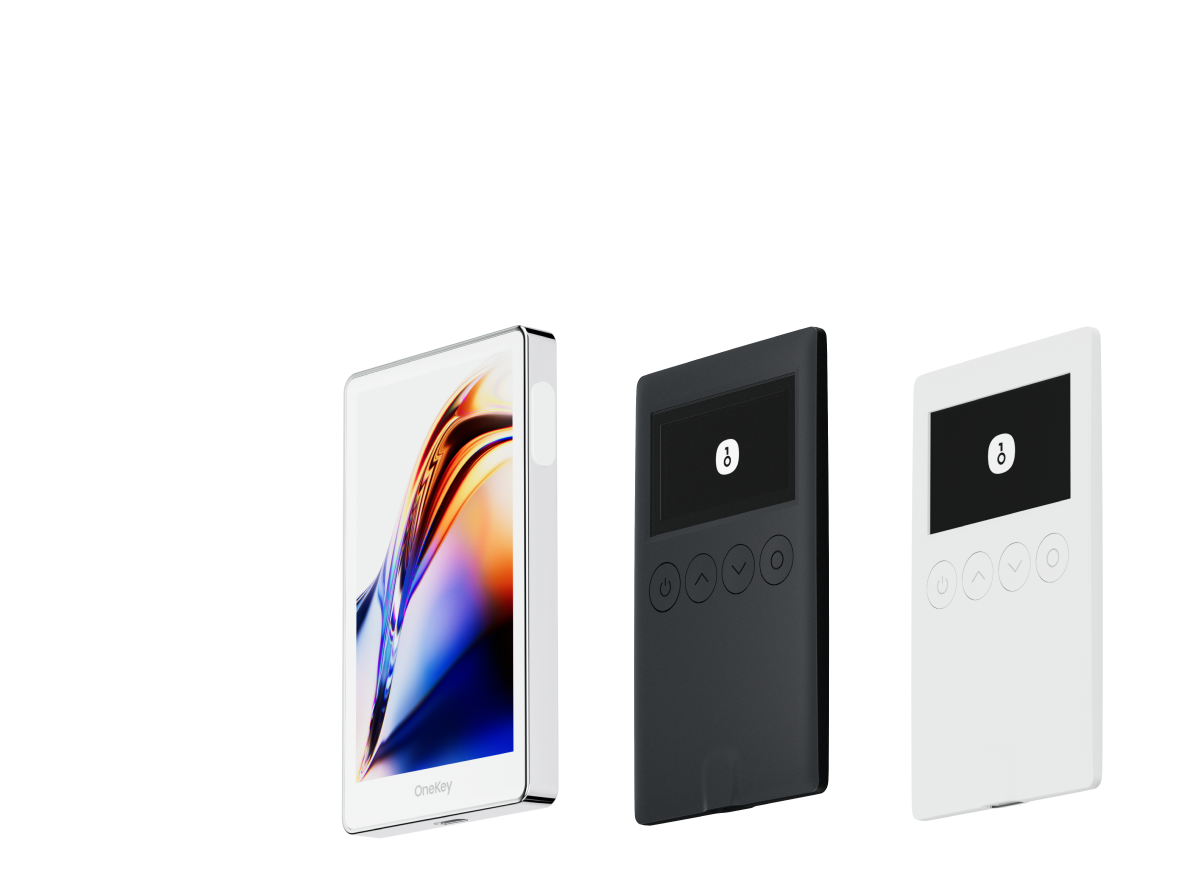
Hardware wallets isolate private keys from internet-connected devices and enable offline signing. OneKey focuses on open-source firmware, audited code, and seamless EVM support, making it straightforward to hold SHIB on Ethereum or connect to dApps through WalletConnect while keeping keys offline. This approach is especially useful if you plan to interact with DeFi or bridge assets, where transaction signing hygiene matters. -
Use trusted front-ends and explorers
Bookmark official URLs such as ShibaSwap, Shibariumscan, and Etherscan. Double-check token approvals and revoke unnecessary permissions using reputable tools when you’re done with a dApp session. -
Start with small test transactions
When bridging to Shibarium or moving funds to a new address, send a tiny test amount first. Confirm receipt and network fees before transferring larger sums.
Common Risks and How to Mitigate Them
-
Volatility
Memecoins can experience rapid price swings. Position sizing and risk limits are essential. Market overviews from neutral data sources like CoinMarketCap can help you contextualize moves, but they are not financial advice. -
Smart contract and dApp risk
Interacting with new or unaudited contracts introduces risk. Review documentation, look for credible audits, and use hardware wallet prompts to verify transaction details before signing. -
Bridge and cross-chain pitfalls
Bridges can be complex and are historically prone to exploits. Prefer official bridges recommended by the project and consider timing transfers during lower network congestion. Consult technical references at Shibarium Docs. -
Phishing and fake tokens
Imitator tokens and spoofed websites are common. Always check the token contract via Etherscan and navigate via bookmarked links.
Getting Started: A Quick Checklist
- Confirm the official SHIB token contract on Etherscan.
- Choose a self-custody wallet; for long-term security, opt for a hardware wallet.
- If using Shibarium, add the network carefully and verify RPC details from official docs: Shibarium Docs.
- Interact with official dApps (e.g., ShibaSwap) and explorers (Shibariumscan, Etherscan).
- Periodically review approvals and practice least-privilege principles.
- Stay updated via the official site: Shibatoken.com.
Final Thoughts
Shiba Inu’s rise from meme to mainstream owes as much to community energy as it does to on‑chain innovation. With the introduction of Shibarium and continued ecosystem development, SHIB has evolved into more than a viral token—it’s a living experiment in community-first network effects.
If you hold SHIB or plan to interact with Shibarium and DeFi, prioritizing key management is the single biggest upgrade you can make. A hardware wallet like OneKey keeps your private keys offline while supporting Ethereum and EVM networks, making it a practical fit for SHIB holders who want strong security without sacrificing usability.