SHELL Token Explained: Powering Digital Finance and Web3 Tools


Key Takeaways
• SHELL is a utility and governance token designed to enhance participation in decentralized financial ecosystems.
• Key functionalities include access to features, staking for network security, and governance over protocol parameters.
• Successful token ecosystems prioritize transparent tokenomics, security-first architecture, and a strong developer experience.
• Users should verify contract addresses and manage token approvals to ensure safe interactions with SHELL.
Web3 keeps evolving from speculative assets into programmable, user-centric finance — and tokens that coordinate utility, governance, and incentives are central to that shift. The SHELL token is designed to power digital finance and the tools that build on top of it, enabling access, payments, staking, and community governance across decentralized applications.
This article breaks down how tokens like SHELL can be architected to support modern Web3 tools, how to evaluate their design and risks, and how to custody them securely in today’s multi-chain landscape.
What is the SHELL token?
SHELL is a utility and governance token intended to unlock, secure, and align participation in an on-chain ecosystem of financial tools. Depending on the implementation by the issuing protocol, a token like SHELL typically serves as:
- Access and utility: Enable specific features (premium analytics, API quotas, smart account modules), pay protocol fees, or receive discounts within integrated apps.
- Network security and staking: Stake to back certain services (e.g., risk buffers or service-level guarantees) or to qualify for delegated roles across the system.
- Governance and alignment: Vote on parameters such as fee structures, whitelisting criteria for integrations, treasury allocations, and upgrade proposals.
- Incentives for builders: Reward developers and integrators who ship tooling, bring liquidity, or contribute open-source components.
On Ethereum and EVM-compatible chains, such tokens are commonly implemented as ERC‑20 assets, sometimes augmented with permit signatures (EIP‑2612) for gasless approvals and seamless dApp UX. For technical foundations and best practices, see the ERC‑20 specification and annotated implementations in OpenZeppelin Contracts (reference: the ERC‑20 standard on Ethereum.org and OpenZeppelin’s documentation).
- ERC‑20 standard: Ethereum.org — ERC‑20 Tokens
- Secure implementations: OpenZeppelin Contracts — ERC‑20
Why tokens power Web3 tools
Web3 tools are modular by design: wallets, smart accounts, bridges, oracles, indexers, and apps interact over open protocols. Tokens coordinate this modularity by:
- Pricing shared infrastructure: Meter usage for services like API access, storage, or provable computation.
- Aligning multi-sided markets: Distribute rewards to liquidity providers, validators, and developers without closed licensing.
- Funding public goods: Allocate treasury resources to audits, documentation, SDKs, and long-term maintenance.
Oracles and data connectivity are crucial to many tokenized systems — see the overview of decentralized oracle networks in Chainlink’s education resources.
Design pillars for a robust SHELL ecosystem
Tokens that successfully power digital finance tend to share several design pillars:
-
Transparent tokenomics
- Clear allocations, vesting, emissions, and expected utility sinks (e.g., fee capture or buybacks). Avoid ambiguous supply schedules.
- Public treasury reporting and rationale for spending (e.g., audits, grants, liquidity).
-
Security-first contract architecture
- Minimal, battle-tested ERC‑20 logic; careful use of permits and upgradeability.
- Independent audits and formal verification where applicable; verified source on explorers like Etherscan.
-
Multi-chain distribution with consistent identifiers
- If bridged across L2s, maintain canonical mapping and a single source of truth. Ethereum’s Layer‑2 landscape makes distribution efficient but increases the need for consistent contract references.
-
Governance that scales beyond token votes
- Use off-chain signaling and on-chain execution carefully; include safeguards against low-participation attacks.
- Consider progressive decentralization with clear milestones and documentation.
-
Developer experience
- Strong SDKs, simple fee mechanics, and clear integration guides. For AMM, liquidity, or routing integrations, review canonical docs like Uniswap’s developer documentation.
2025 context: what users care about now
Several macro trends shape how tokens like SHELL get used:
- Smart accounts and account abstraction: Tooling around EIP‑4337 matured, enabling programmable wallets with session keys, sponsored fees, and granular permissions. This directly benefits utility tokens that gate features or manage quotas. See Ethereum.org — Account Abstraction (EIP‑4337).
- Real‑world assets and regulated stablecoins: Tokenized treasuries and institutional integrations continue to expand, raising the bar on compliance and disclosures. Europe’s MiCA framework is now a reference point for market integrity and consumer protections; learn more at European Commission — MiCA.
- Layer‑2 dominance and modular infrastructure: Most consumer-facing activity happens on L2s, making cross-chain governance and liquidity routing critical for any utility token.
- UX and safety expectations: Approval management, phishing-resistant signing, and safer default dApp flows are table stakes. Always review token approvals and revoke unused ones via services like Revoke.cash.
Evaluating the SHELL token safely
Ticker symbols can collide across chains and projects. Before acquiring or interacting with any token branded as “SHELL”:
- Verify the contract address on a reputable block explorer (e.g., Etherscan for Ethereum, chain-specific explorers for L2s).
- Cross-check the address against official project announcements and reputable listings on CoinGecko and CoinMarketCap.
- Review whether the token uses permit signatures (EIP‑2612), upgradeable proxies, or custom transfer logic. If it does, read the audit reports and implementation notes (reference: OpenZeppelin Contracts — ERC‑20).
- Inspect token approvals in your wallet regularly and revoke those not in use via Revoke.cash.
How SHELL can power Web3 tools
Below are common patterns for a token powering a modern toolkit:
- Pay-as-you-go for features
- dApps meter usage of analytics, indexing, or on-chain automation. Holding or spending SHELL can unlock higher rate limits or fee discounts.
- Staking for service levels
- Stake SHELL to back certain guarantees (e.g., data freshness, API uptime, or routing accuracy) and earn rewards proportional to performance and contribution.
- Governance-controlled parameters
- Use SHELL to vote on protocol settings, fee tiers, supported chains, or whitelisted modules. This aligns users and builders over time.
- Developer incentives and integrations
- Grant SHELL to teams that add new chain support, SDK improvements, or compliance modules. Clear contributor guidelines ensure transparency and measurable impact.
Storage and transaction security
Managing on-chain assets safely is non-negotiable. For ERC‑20 tokens like SHELL:
- Cold storage for long-term holdings
- Keep private keys offline. Hardware wallets mitigate many phishing and malware risks by isolating signing operations.
- Transaction hygiene
- Read function prompts carefully; be cautious with Permit/Approve flows, and limit spender allowances.
- Smart account controls
- Consider account abstraction features like session keys and spending limits to reduce exposure (reference: Ethereum.org — Account Abstraction).
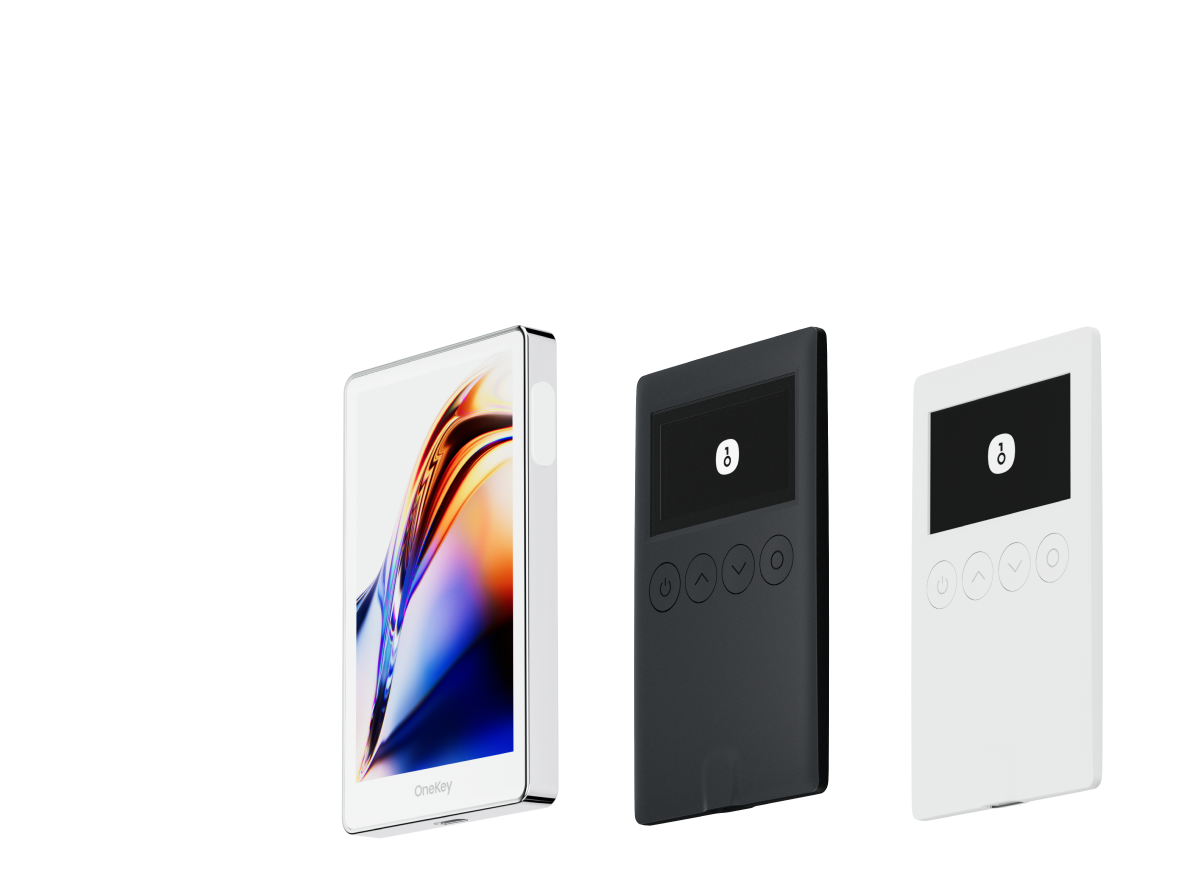
If you’re actively participating in the SHELL ecosystem — staking, voting, or interacting with DeFi — using a hardware wallet helps enforce clean separation between everyday dApp activity and long-term key custody. OneKey provides open-source firmware, robust EVM token support, and a streamlined experience across mobile and desktop, making it well-suited for safeguarding utility and governance tokens while you interact with Web3 tools through compatible interfaces.
Developer notes
If you’re building with a token like SHELL:
- Use established standards
- ERC‑20 with optional EIP‑2612 (permit) for smoother UX. Start from audited libraries such as OpenZeppelin Contracts.
- Document economic flows
- Publish clear specs for fee mechanics, staking rewards, and treasury operations; maintain verified source on explorers (see Etherscan).
- Design for multi-chain
- Use canonical bridges or native issuance strategies; keep contract references consistent across L2s (reference: Ethereum.org — Layer‑2 Scaling).
- Plan governance from day one
- Start with transparent off-chain signaling and gradually move to secure on-chain execution with participation incentives.
Quick checklist before you interact
- Confirm the official SHELL contract address on the target chain using a trusted explorer like Etherscan.
- Compare with listings on CoinGecko or CoinMarketCap.
- Review audit reports, upgradeability, and permit settings via documentation or verified source code (reference: OpenZeppelin Contracts).
- Manage approvals and revoke unused ones with Revoke.cash.
- Use a hardware wallet for long-term holdings; consider OneKey for dependable EVM support and secure, open-source signing.
Final thoughts
Tokens like SHELL are increasingly the connective tissue of digital finance — coordinating access, payments, governance, and incentives across modular Web3 tools. As functionality moves to smart accounts and usage consolidates on L2s, the most valuable utility tokens will be the ones that pair rigorous security and transparent economics with an excellent developer and user experience.
If you plan to hold or actively use SHELL across DeFi or tooling workflows, safeguard your keys with a hardware wallet. OneKey combines open-source design, multi-chain compatibility, and a clean UX, making it a strong fit for managing ERC‑20 assets like SHELL while you explore the next generation of Web3 applications.