Self-Custody Wallets vs Exchange Wallets: Privacy Benefits and Regulatory Risks Explained

Understanding Self-Custody Wallets
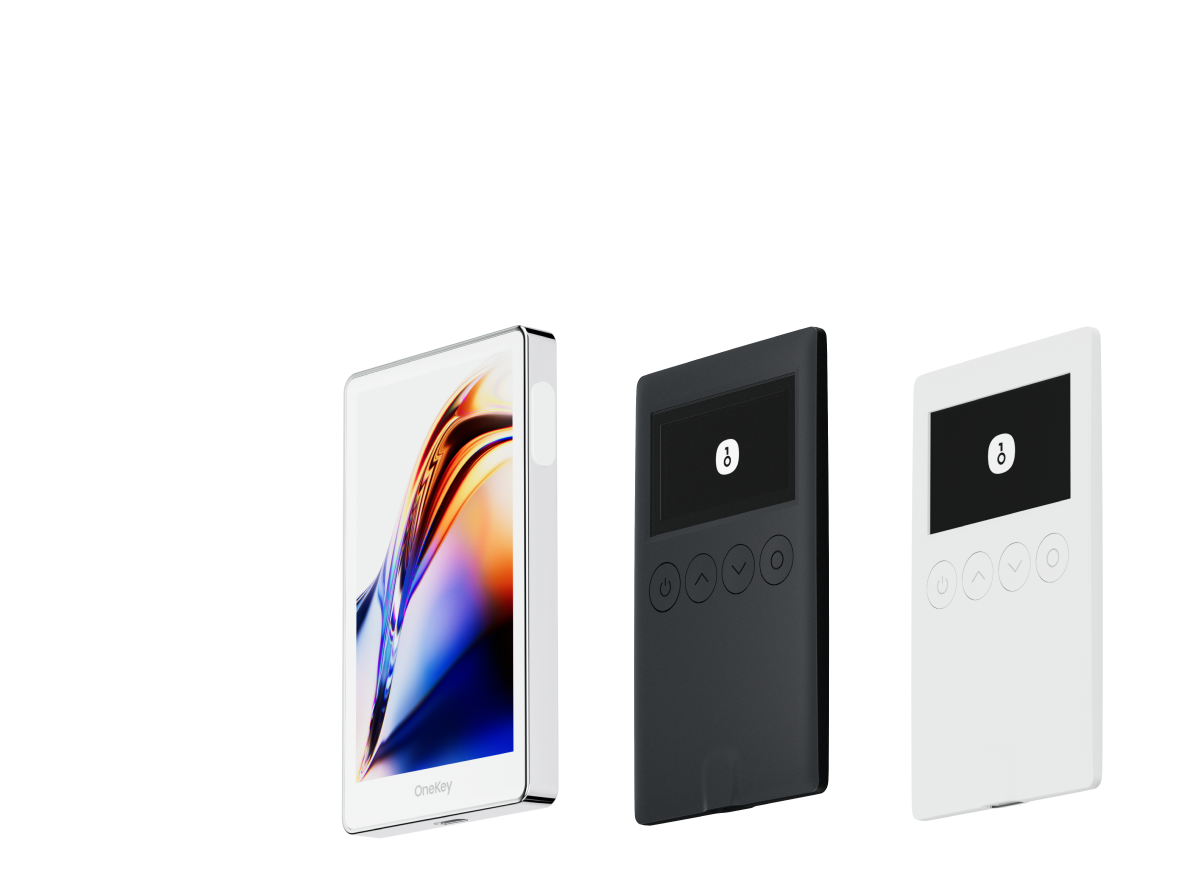
Self-custody wallets allow users to manage their private keys independently, ensuring no third party holds access to funds. Hardware wallets exemplify this model, storing keys offline for enhanced security.
Key Features
- Full Ownership: You control seed phrases and transactions without intermediaries.
- Offline Storage: Resistant to online hacks, ideal for long-term holding.
- Privacy by Design: Transactions are signed locally, minimizing data exposure.
Devices like OneKey stand out with features such as air-gapped signing and multi-chain support, making them suitable for users trading on advanced platforms. Recent blockchain trends, including the rise of layer-2 solutions, underscore the need for robust self-custody to handle growing on-chain activity.
For more on self-custody best practices, see CoinDesk's guide.
Understanding Exchange Wallets
Exchange wallets, provided by centralized platforms like Binance or Coinbase, store user funds on the platform's servers. Users trade seamlessly but relinquish key control.
Common Characteristics
- Custodial Nature: The exchange holds private keys, simplifying user experience.
- Integrated Trading: Quick access to spot, futures, and staking.
- KYC Requirements: Identity verification is mandatory for compliance.
While convenient, these wallets expose users to platform failures, as seen in the 2022 FTX collapse, which wiped out billions. Cointelegraph reports highlight over $1.7 billion in crypto stolen from exchanges in 2023 alone.
Privacy Benefits of Self-Custody Wallets
Privacy is a cornerstone of cryptocurrency's ethos, rooted in Bitcoin's pseudonymous design. Self-custody wallets excel here by reducing data leakage.
Enhanced Anonymity
- No KYC Overhead: Avoid sharing personal details for basic transactions.
- Local Transaction Signing: Prevents exchanges from linking addresses to identities.
- Chain Analysis Resistance: Tools like CoinJoin or Lightning Network integrate better without custodial intermediaries.
In contrast, exchange wallets log every deposit, withdrawal, and trade, feeding into massive databases vulnerable to subpoenas. A 2024 Chainalysis report notes that 0.34% of crypto transactions involve illicit activity, but exchanges amplify risks by pooling user data.
Using a self-custody solution like OneKey OneKey ensures your activity remains private even on high-volume DEXs.
Regulatory Risks of Exchange Wallets
Regulatory scrutiny has intensified, with governments worldwide targeting centralized exchanges (CEXs) for anti-money laundering (AML) compliance.
Major Concerns
- Account Freezes: Platforms can freeze funds during investigations, as in the SEC's 2024 actions against Binance.
- Data Sharing Mandates: EU's MiCA requires transaction reporting, eroding user privacy (EUR-Lex MiCA overview).
- Insolvency Risks: "Not your keys, not your coins" proved true in past bankruptcies.
Self-custody mitigates these by placing compliance burdens on the user, who can withdraw to OneKey anytime. Hyperliquid, a non-custodial perpetuals DEX on its own L1 chain, exemplifies this shift—users retain custody throughout trading, dodging CEX pitfalls.
Detailed Comparison Analysis
Here's a side-by-side breakdown:
Data from Messari's 2024 State of Crypto Report shows self-custody adoption surging 25% post-FTX, driven by privacy demands.
Real-World Example: Hyperliquid Integration
Hyperliquid's TVL exceeded $1 billion in 2024, per DefiLlama, thanks to its self-custody model. Traders deposit collateral once and trade perps without withdrawing intermediately—far safer than CEXs. To secure Hyperliquid gains, simply withdraw to OneKey for offline protection.
Why Choose Self-Custody in 2025?
As regulations tighten—think U.S. stablecoin bills and global tax reporting—exchange risks mount. Self-custody wallets offer privacy resilience and regulatory independence, aligning with blockchain's decentralized promise.
For secure, user-friendly self-custody, OneKey provides seamless integration with Hyperliquid and other chains via its app and hardware. Download OneKey today to take control of your crypto wallet journey and shield against evolving threats.