QUACK Token: Is QUACK Token About to Make a Big Splash?


Key Takeaways
• QUACK is a BEP-20 token on BNB Chain known for its community-driven initiatives.
• Memecoins like QUACK thrive during periods of high market risk appetite and liquidity rotations.
• Conduct thorough due diligence by verifying contract addresses and assessing tokenomics before investing.
• Use hardware wallets for secure storage of QUACK and other tokens.
Memecoins continue to dominate crypto headlines, and QUACK (known as RichQUACK) is one of the more persistent names on BNB Chain. As capital rotates between ecosystems and liquidity chases narrative-driven tokens, investors are asking: is QUACK setting up for another wave—or just another quack in the pond?
This article walks through what QUACK is, why it pops up during memecoin cycles, how to do sane diligence before touching it, and how to hold it safely if you decide to participate.
What is QUACK?
QUACK is a BEP-20 token on BNB Chain associated with the RichQUACK community. It has historically leaned into hyper-memetic branding and community-driven initiatives such as lotteries and incubator-style launches. For live token data, contract references, and markets, start with its listings on major data aggregators like the QUACK page on CoinMarketCap and the QUACK page on CoinGecko. Both pages typically show the verified contract address and active markets, which helps avoid copycat contracts and honeypots.
- CoinMarketCap: RichQUACK (QUACK)
- CoinGecko: RichQUACK (QUACK)
The project also communicates via social channels; always double-check announcements against official handles such as RichQuack on X and the site at richquack.com.
Why is QUACK on people’s radar?
Two macro trends keep pushing memecoins—especially on high-throughput L1s like BNB Chain—back into the conversation:
- Cheap blockspace fuels speculative experimentation. When transactions are fast and inexpensive, communities can spin up tokens and liquidity quickly. Binance Academy’s primer on memecoins is a good overview of why these assets can move violently and how communities drive them (What Are Meme Coins?).
- Rotations across ecosystems. When one chain’s memecoin mania cools, capital often rotates to the next. BNB Chain regularly captures that flow thanks to its liquidity and retail-heavy user base, a dynamic covered in multiple market recaps and ecosystem reports (see Messari’s BNB Chain ecosystem research overview pages like the State of BNB Chain for context).
Within that backdrop, QUACK’s longevity, large community, and recurring social pushes tend to resurface during risk-on periods.
Tokenomics and “utility” claims: read the fine print
Memecoins often evolve their tokenomics—changing taxes, burn schedules, or incentive distributions. Instead of relying on secondhand summaries, check primary sources:
- Contract and token details: use BscScan search for “RichQUACK” to find the token contract, holder distribution, and any ownership/contract permissions.
- Security posture: see whether there are third-party assessments such as CertiK’s RichQUACK project page.
- Project docs/whitepaper: many teams host GitBook pages or similar; start from their main site links at richquack.com and cross-verify.
Key things to evaluate:
- Can the owner change fees or blacklist addresses?
- Is the liquidity locked, and if so, for how long?
- Are there mint or pause functions?
- Is the top holder distribution healthy for a community token?
Market structure: liquidity, listings, and execution
The majority of QUACK trading historically occurs on BNB Chain DEXs and select centralized venues. Before you trade:
- Confirm active pairs and liquidity depth on aggregator pages like CoinMarketCap’s Markets tab for QUACK.
- Review DEX pool sizes and recent fills to estimate slippage.
- Understand token approvals and spending allowances; if you trade via DEX, you will grant approvals that should later be managed. For a quick primer on how approvals work, see this explainer on what token approvals are and why they matter.
Due diligence checklist for QUACK
Before engaging, run through a simple, repeatable checklist:
- Verify the contract address from a reputable listing (CoinMarketCap or CoinGecko) and match it on BscScan.
- Check holders and top wallet distribution on BscScan. Avoid tokens where a single non-exchange wallet controls a large fraction of supply.
- Review project communications through the official site and X account; avoid relying solely on community Telegrams or reposts.
- Validate security claims with third-party dashboards like CertiK; absence of an audit does not equal a red flag by itself, but high-risk audit findings are meaningful.
- Use BNB Chain’s community risk tools. The Red Alarm dashboard flags trending risky dApps and tokens; it’s not definitive, but it’s a useful signal (BNB Chain DappBay Red Alarm).
- If buying on DEXs, test with a small size first and simulate the swap if your interface supports it.
Risks that matter
- Extreme volatility: Memecoins can move 50–90% within days. Understand liquidity and slippage before placing market orders.
- Smart contract and admin risk: Tokens with upgradeable proxies or admin keys can change behavior later. Always inspect contract permissions on BscScan.
- Impersonation and copycats: Scammers often deploy near-identical tokens. Only use addresses from authoritative sources like CoinGecko or CoinMarketCap.
- Rug pulls and market manipulation: Even established community tokens can be targeted by opportunistic actors. Chainalysis’ annual reports show scams and fraud remain persistent in crypto, particularly during bull phases (Chainalysis Crypto Crime Report overview).
Security and custody: if you hold QUACK, hold it right
If you choose to hold QUACK, treat self-custody and transaction hygiene as first-class priorities:
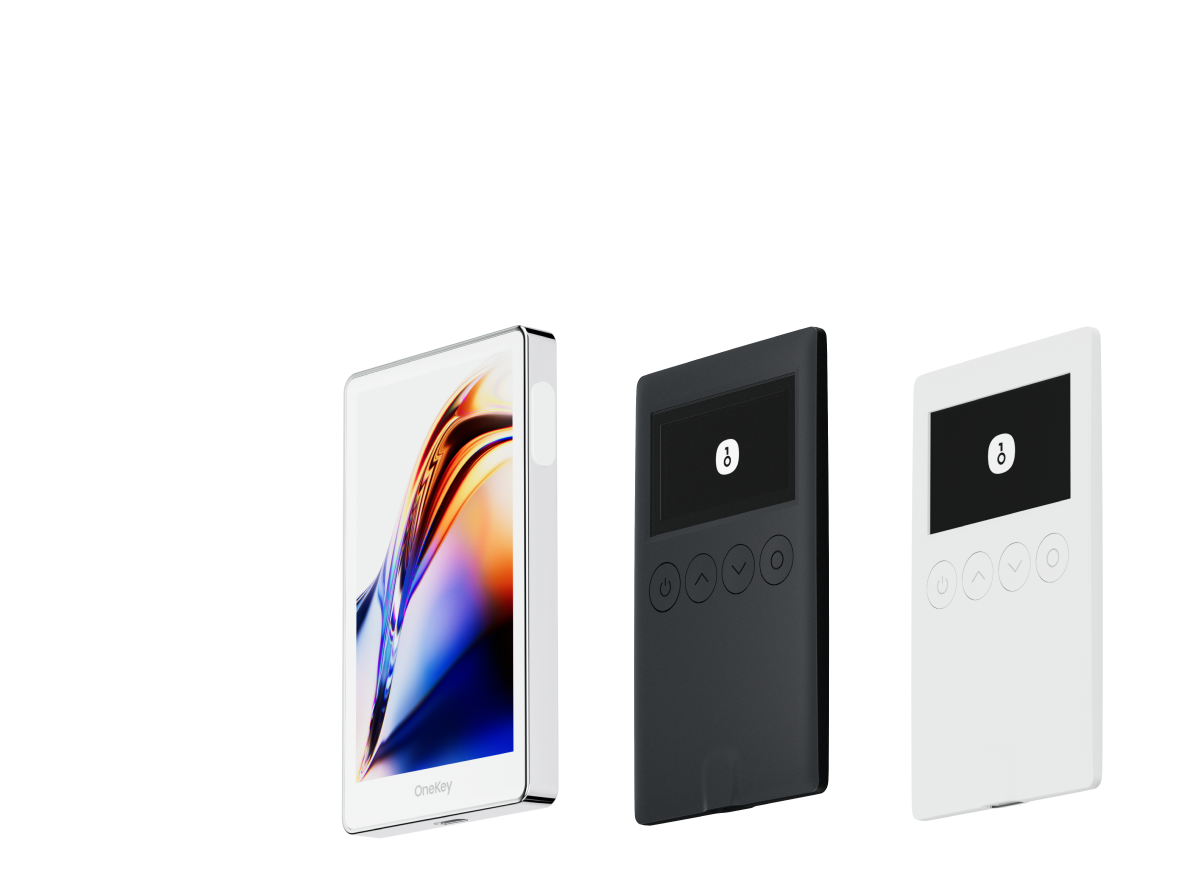
- Use a hardware wallet for private key isolation and sign transactions via a trusted interface. OneKey supports BNB Chain and custom BEP-20 tokens, letting you add the verified QUACK contract, manage allowances, and connect to DEXs through WalletConnect while keeping keys offline.
- Verify every token address you import. Never rely on token name auto-fill alone.
- Regularly review and revoke stale token approvals after trading. Tools that visualize allowances can help you reduce attack surface (what token approvals are and why they matter).
- Back up your seed phrase securely and consider using a passphrase if you need an additional security layer.
- Beware of phishing. Bookmark official links and avoid airdrop bait.
Why OneKey fits this flow for BNB Chain users:
- Open-source firmware and software stack for transparent security.
- Seamless BNB Chain support and EVM compatibility, which makes interacting with BEP-20 tokens straightforward.
- Smooth WalletConnect experience for DEX trades while keeping private keys offline.
Could QUACK make a big splash?
It could—under the right market conditions. Tokens like QUACK tend to rally when:
- Broader market risk appetite rises and memecoin rotations target BNB Chain.
- Community campaigns or feature releases reignite attention.
- Liquidity on core trading pairs deepens and slippage falls.
But equal and opposite moves are common when momentum fades. The neutral, research-first stance is to track on-chain health, liquidity, and community traction in real time via public dashboards and aggregator listings, then size positions accordingly—if at all.
Bottom line
QUACK is a veteran memecoin on BNB Chain with a persistent community and periodic bursts of attention. If you decide to participate, focus less on hype and more on verifiable facts: contract permissions on BscScan, security notes from resources like CertiK, market depth on CoinMarketCap/CoinGecko, and risk signals from BNB Chain’s Red Alarm.
And if you hold any amount of QUACK for longer than a trade, consider moving it to a hardware wallet. OneKey’s open-source design, BNB Chain support, and smooth WalletConnect signing provide a practical way to interact with DEXs while keeping your keys offline—an essential step when navigating fast-moving memecoin markets.