QKA Token Guide: The Rising Meme Coin with Mysterious Origins


Key Takeaways
• Understand the implications of a token with mysterious origins, including anonymous founders and lack of formal documentation.
• Always verify contract addresses through reputable block explorers before trading.
• Check liquidity health and be aware of common red flags using tools like Token Sniffer.
• Start with small test trades on decentralized exchanges to mitigate risks.
• Use secure key management practices, such as hardware wallets, for storing tokens.
Meme coins continue to capture attention in crypto, blending internet culture with speculative trading and lightning–fast narratives. QKA token is the latest entrant whispered across X threads and private Telegram chats, with a deliberately opaque backstory that has sparked curiosity and skepticism in equal measure. This guide walks through what a “mysterious origins” launch implies, how to verify details before you act, and practical steps to engage safely—whether QKA ultimately proves to be a playful community token or just another flash–in–the–pan.
Meme coin cycles have persisted into 2025 on multiple chains, driven by social virality and frictionless trading on DEXs. For broader context on why these assets keep booming and busting, see overviews from CoinMarketCap’s Alexandria on meme coin dynamics and risks and Binance Academy’s explainer on what memecoins are.
What “mysterious origins” usually means
A token whose team and provenance are unclear can be exciting—early buyers feel they’ve discovered a hidden narrative—and risky. Staples of such launches include:
- Anonymous or pseudonymous founders
- No formal whitepaper or public roadmap
- Community–driven meme branding with rapid iteration
- Initial liquidity seeded on a DEX, often without centralized exchange listings
These traits don’t make a coin automatically bad, but they change your diligence process. The burden is on you to verify on–chain facts and protect yourself against fast–moving scams.
For a grounding in why new token launches draw both speculators and fraudsters, consult Chainalysis’s annual crypto crime trends report, which highlights how novel tokens and social engineering remain common scam vectors.
What we know (and don’t) about QKA
As of publication, public, verifiable details about QKA remain limited. If you encounter a QKA contract address on social media:
- Treat all claims as unverified until confirmed on a reputable block explorer and via official project channels.
- Expect multiple impostor contracts on popular chains trying to siphon attention.
The most reliable place to start your verification is a block explorer:
- For Ethereum and other EVM chains, use Etherscan
- For Solana launches, use Solscan
If QKA eventually publishes an official website, X account, or GitHub, cross–reference addresses from those sources with the explorer data. Avoid acting on screenshots alone.
How to verify a new token before you trade
-
Confirm the exact contract address
- Locate it on a block explorer (Etherscan or Solscan) and check:
- Creator wallet and transaction history
- Verified source code, if available
- Ownership status (renounced or not), mint/blacklist functions, and tax logic
- Locate it on a block explorer (Etherscan or Solscan) and check:
-
Check liquidity health
- Ensure there’s meaningful liquidity on the primary DEX pair and inspect whether liquidity is locked. Third–party lockers like Team Finance can help verify lock events if the project uses them.
-
Scan for common red flags
- Use tools like Token Sniffer and Honeypot.is to detect restrictive trading functions or excessive taxes. These tools are not perfect but often catch obvious traps.
- Review whether trading is enabled, whether max transaction limits exist, and whether the token uses proxy contracts that the owner can upgrade.
-
Validate social channels
- Real project announcements should consistently reference the same contract address and trading pair.
- Beware lookalike accounts and airdrop posts that ask for seed phrases or set invasive permissions.
-
Inspect on–chain market context
- Use an aggregator or charting tool (DexScreener) to analyze volume, holders, and volatility. Thin liquidity can amplify slippage and price manipulation.
How to buy QKA safely on a DEX
Because QKA’s origins are unclear, assume it will list first on decentralized exchanges. Process varies slightly by chain:
-
On Ethereum or other EVM chains:
- Fund your wallet with native gas (ETH, MATIC, etc.).
- Use a reputable DEX such as Uniswap and paste the verified QKA contract address; import the token manually if it hasn’t been recognized.
- Start with a small test trade to confirm you can buy and sell.
- Limit token approvals using Etherscan’s Token Approval Checker to reduce allowance risk.
-
On Solana:
- Fund with SOL for gas.
- Use Jupiter’s swap interface or Raydium and paste the verified mint address.
- Test a small trade and confirm tokens appear in your wallet and remain transferable.
Tips for safer execution:
- Set conservative slippage and avoid chasing parabolic moves.
- Watch for “buy tax” or “sell tax” in contract code or community docs.
- Avoid interacting with custom routers unless necessary; stick to well–known DEX infrastructure.
- Never sign transactions you don’t understand; read pre–transaction prompts carefully.
References: Etherscan, Uniswap, Jupiter, Raydium docs, DexScreener, Etherscan Token Approval Checker.
Tokenomics and valuation: A framework for new meme coins
With limited disclosures, use a structure rather than hype:
- Supply mechanics: Is total supply fixed? Any mint function? Burn logic?
- Ownership and upgrades: Is contract ownership renounced? Are there upgradeable proxies?
- Liquidity depth: Enough liquidity to absorb typical retail buys without 20–30% slippage? Locked or at risk?
- FDV and market cap: Compare price against fully diluted valuation and circulating supply to avoid overpaying for future unlocks. CoinMarketCap’s glossary defines fully diluted market cap clearly.
- Distribution: Are there concentrated holder wallets that could dump? On Etherscan/Solscan, check top holders and team wallets.
Community and catalysts to watch
Meme coins trade on narrative momentum. Potential catalysts:
- A cohesive meme that drives viral sharing
- Unique mechanics (e.g., gamified burns, treasure hunts) that are verifiable on–chain
- Listings on reputable aggregators and data sites
- Transparent communication and consistent contract references
The flip side is that exaggerated claims can precede rug pulls. If a promised exchange listing or partnership isn’t confirmed via the partner’s official channel, treat it as rumor. For context on prior mania waves and liquidity dynamics, see CoinDesk’s coverage of Solana meme coin surges.
Security checklist for QKA (and any new coin)
- Phishing resistance: Never enter seed phrases on web forms; beware fake “claim” sites. If you receive airdrop messages, assume they are scams until proven otherwise.
- Address poisoning awareness: Attackers may send dust tokens or mirror addresses to trick you into copying the wrong destination in future transfers; MetaMask’s guide on address poisoning explains common patterns and defenses.
- Allowance hygiene: Regularly review and revoke token approvals via Etherscan’s checker, especially after interacting with new DEX routers or obscure dApps.
- Honeypot defense: Test small buys and sells before committing size; tools like Honeypot.is can flag known traps but always verify manually.
Where to store QKA after purchase
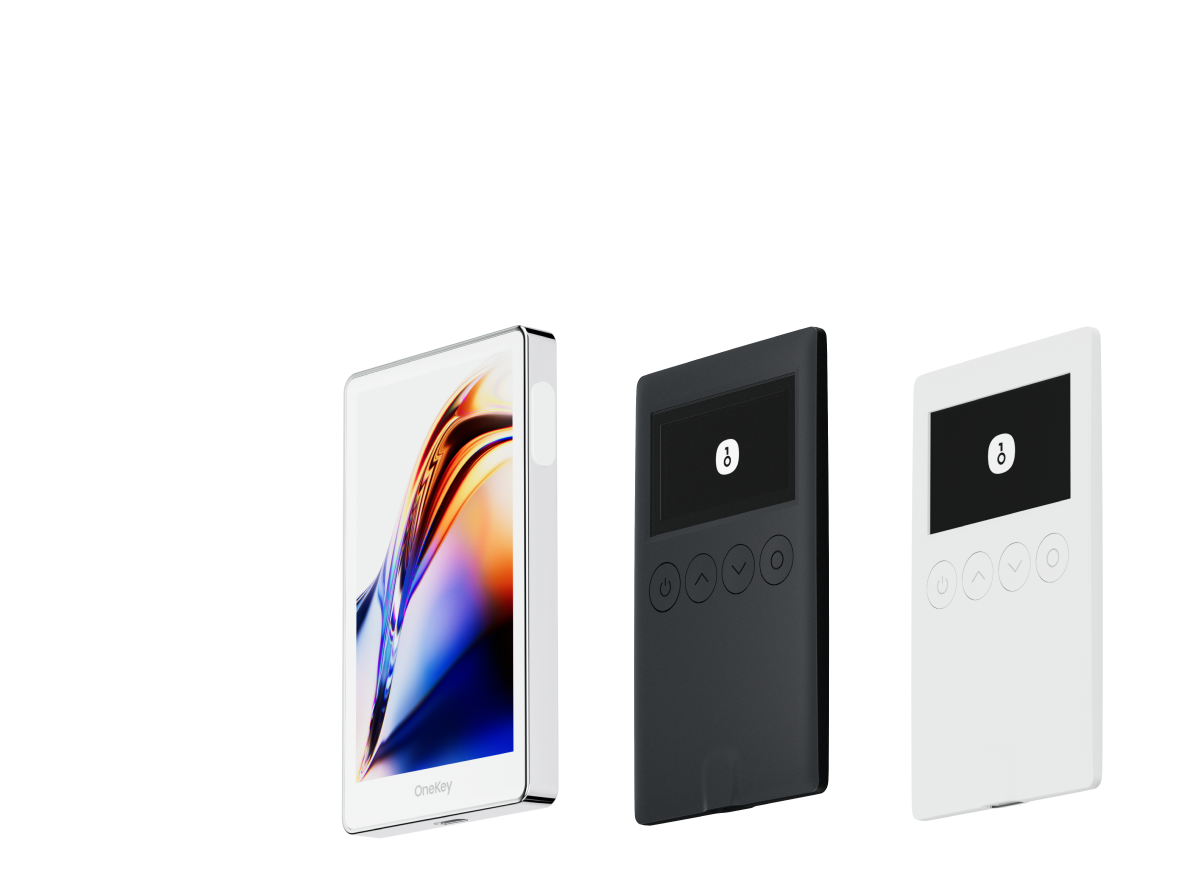
If you plan to hold QKA beyond a quick trade, prioritize secure key management. A hardware wallet reduces the attack surface by keeping private keys offline and enabling clear signing for transactions.
OneKey can be a practical choice for meme coin traders who still want robust security:
- Offline signing and open–source firmware help ensure transparent, verifiable operations.
- Broad multi–chain support makes it straightforward to hold EVM and Solana assets in one setup.
- Clear transaction prompts reduce the risk of approving malicious contract functions.
- Integration with popular wallets and DEX frontends streamlines swapping and subsequent approval management without exposing keys online.
For active traders, a workflow that uses a hot wallet for discovery and a hardware wallet like OneKey for custody can balance agility with safety: acquire with cautious sizing, then transfer holdings to cold storage once confirmed non–honeypot and non–tax traps.
Final thoughts
QKA’s mystique is part of its appeal—but mystery is not a substitute for diligence. If you decide to engage:
- Verify the contract on a trusted explorer and confirm liquidity details.
- Start with small test trades; avoid large market orders in thin liquidity.
- Keep approvals minimal and regularly revoked.
- Store significant holdings with offline key management.
Meme coins thrive on culture and speed, but the best outcomes still come from disciplined process. Use the tools linked here—Etherscan, Solscan, Team Finance, DexScreener, Token Sniffer, Honeypot.is, Jupiter, Raydium, Uniswap—and give yourself the security margin that offline signing provides. If QKA matures from mysterious origin to a stable community token, you’ll be positioned to participate without compromising safety.