PUPS Token: The First Meme Coin on Bitcoin? PUPS Token and Runes


Key Takeaways
• PUPS is associated with the early Bitcoin-native token conversation and meme culture.
• Runes protocol aims to make fungible tokens first-class citizens in Bitcoin's UTXO model.
• The definition of 'first' meme coin on Bitcoin is subjective and varies based on context.
Bitcoin has historically been the home of sound money, not speculative tokens. That changed with Ordinals and BRC‑20 in 2023, and accelerated with the launch of the Runes protocol at the fourth halving in April 2024. As meme coin culture collided with Bitcoin’s UTXO model, questions like “Is PUPS the first meme coin on Bitcoin?” started to trend. In this article, we unpack the timeline, what Runes actually solves, how PUPS fits into the story, and what you should know before touching any Bitcoin‑native memes.
From Ordinals and BRC‑20 to Runes: The path to Bitcoin‑native tokens
- Ordinals introduced a method to “inscribe” arbitrary data onto satoshis, creating a vibrant ecosystem of Bitcoin‑native NFTs and experimental fungible tokens. See the canonical technical reference for Ordinals to understand inscription semantics and indexing. Ordinals documentation
- BRC‑20 arrived soon after as a community experiment layered on top of Ordinals, enabling fungible tokens via JSON inscriptions. While it worked, BRC‑20’s reliance on playful off‑chain indexers and on‑chain text blobs had tradeoffs: increased chain bloat, messy UTXO sets, and complex UX. For a plain‑English primer, see this overview from Binance Academy. What is BRC‑20
- Runes, proposed and implemented by Casey Rodarmor (the creator of Ordinals), aims to make fungible tokens “first‑class citizens” in Bitcoin’s UTXO model, with compact encodings and more predictable behavior. The protocol launched at the Bitcoin halving (block 840,000) in April 2024. For the design goals and mechanics, read Casey’s original post. Runes by Casey Rodarmor
If you want a data point for the launch timing, you can inspect the halving block directly. Bitcoin halving block 840,000 on mempool.space. Background on the halving is available here. Bitcoin halving (Wikipedia)
What is PUPS?
“PUPS” is a meme coin brand associated with the Ordinals and Runes community that positioned itself early in the Bitcoin‑native token conversation. Depending on the timeline and tooling you use, you’ll find PUPS references across:
- Early Ordinals‑based meme experiments and community drops
- Runes‑era minting and trading activity as the protocol went live
- Cross‑chain discourse and bridges that tried to connect Bitcoin memes with faster L1/L2 environments
Because Bitcoin token ecosystems are indexer‑driven, tickers can be reused and there may be multiple projects sharing similar names. Always verify the exact rune (identifier and etching details) and the indexer or marketplace you’re using before transacting. The safest way to explore live markets is via reputable platforms that explicitly list Runes collections and provide transaction proofs. For browsing activity, start with a Bitcoin‑focused marketplace that supports Runes. Magic Eden Runes
Is PUPS the “first” meme coin on Bitcoin?
It depends on what “first” means:
- First Bitcoin meme coin ever? No. Pre‑Runes, BRC‑20 spawned a wave of memes (e.g., ORDI, SATS, PEPE‑style clones) in 2023, all settling on Bitcoin via inscriptions and indexers. BRC‑20 predates Runes.
- First Runes meme coin after halving? The community minted a flurry of meme runes within hours of the protocol’s launch. Casey’s own etchings and early community projects—most notably dog‑themed tokens—captured attention immediately. Market data and coverage during launch week consistently showed dog memes topping volume and transactions as Runes went live. For context on Runes’ immediate impact on memecoins, see mainstream reporting around the launch window. Decrypt’s coverage of Bitcoin memecoins post‑Runes
- First “major” Runes meme to hit broad liquidity? That’s a moving target and often differs by marketplace, indexer, and week. In a fast‑moving, indexer‑defined ecosystem, “first” is more of a narrative than a binary fact.
Practically, you should treat PUPS as one of the early, prominent meme tokens in the Runes era, not the definitive first by any technical definition. What matters more is liquidity, provenance, and the integrity of the mint and distribution.
Why Runes changed the meme coin game on Bitcoin
Runes’ design is UTXO‑centric. Instead of embedding JSON blobs into inscriptions (BRC‑20), Runes encodes transfers so that balances map cleanly to outputs. That brings several benefits:
- More efficient use of block space relative to inscription‑heavy models
- Clearer semantics for balance ownership via UTXOs
- Potentially simpler wallet integrations through PSBT‑based signing and coin control
The result: meme coin speculation can happen natively on Bitcoin without leaning so heavily on text‑inscription hacks, while still remaining indexer‑aware for UI/UX.
Deep dive into design choices and “edicts” is available here. Runes by Casey Rodarmor
2025 reality check: Liquidity, fees, and user experience
- Liquidity fragmentation persists. Different indexers and marketplaces may disagree on token states if users or projects don’t follow best practices. Stick to reputable marketplaces and cross‑check rune IDs.
- Fees still matter. Bitcoin fees can spike with bursts of minting and trading, especially during meme seasons. Time your transactions and use smart fee estimation tools (e.g., mempool explorers). mempool.space fee dashboard
- Wallet UX is improving. More Bitcoin wallets now support Runes metadata, PSBT workflows, and coin control, but capabilities vary. Expect incremental improvements rather than perfection.
How to acquire and secure Runes tokens like PUPS
- Verify the exact rune details: ticker, unique identifier, etching data, and official communication channels.
- Use marketplaces that explicitly support Runes: check listings, token metadata, and on‑chain proofs. Magic Eden Runes
- Prefer PSBT signing and coin control: Runes are UTXO‑based; managing inputs/outputs carefully avoids accidental transfers or dust issues.
- Avoid bridges you don’t fully understand: cross‑chain versions of meme tokens introduce additional smart contract and custody risks.
- Keep a clean separation between hot wallets (experimentation) and cold storage (long‑term holdings).
Security notes for Bitcoin‑native memes
- Indexers are part of the trust model. If an indexer is wrong or a marketplace mislabels a token, you could overpay or receive the wrong asset.
- Beware impersonations. Tickers are not unique; name collisions are common. Always verify provenance.
- Liquidity can disappear quickly. Meme coins are speculative; assess risk tolerance and exit liquidity.
- Track fees and UTXO hygiene. Consolidate UTXOs when fees are low, and avoid address reuse.
Where OneKey fits
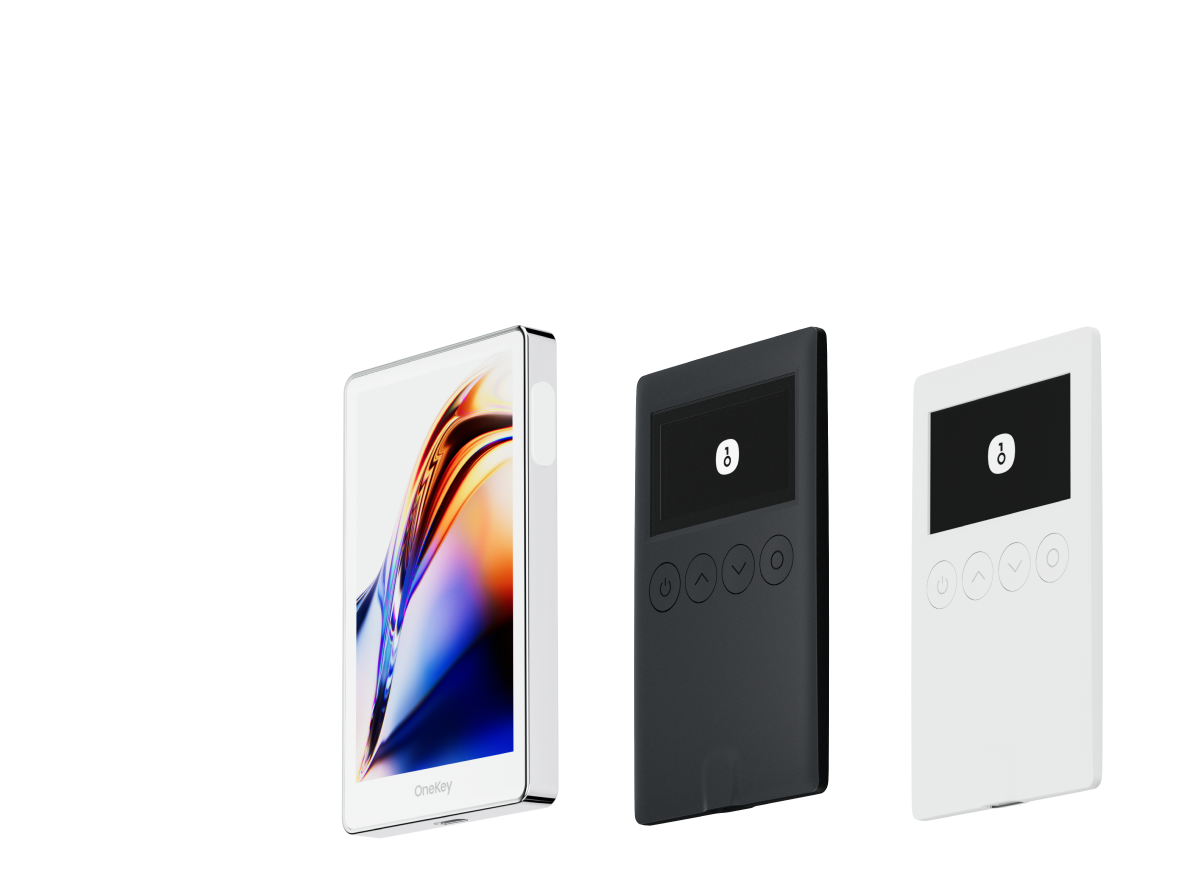
If you plan to hold Bitcoin and occasionally trade or claim Bitcoin‑native tokens, a hardware wallet helps reduce key‑theft risk. OneKey is open‑source and supports secure PSBT signing for Bitcoin, making it a solid foundation for UTXO‑level workflows that Runes relies on. A practical flow is to keep long‑term BTC in cold storage on OneKey, use a connected watch‑only wallet for discovery, and only sign transactions you fully understand. This separation preserves security while letting you participate in Runes without exposing your seed on a hot device.
Final thoughts
Calling any token “the first meme coin on Bitcoin” is more marketing than math. Before Runes, BRC‑20 memecoins existed; after Runes, multiple projects—PUPS among them—competed for attention within hours of the protocol’s launch. What matters now is the maturity of tooling, clarity of provenance, and your operational security.
If you’re exploring the Runes ecosystem, start with reputable references and marketplaces, verify the exact rune you’re interacting with, and protect your keys. For long‑term Bitcoin storage and safe PSBT workflows, consider using a hardware wallet like OneKey to anchor your setup while you experiment at the edges.
References and further reading:
- Runes protocol design and rationale: Runes by Casey Rodarmor
- Bitcoin halving context: Bitcoin halving (Wikipedia)
- Launch timing data point: Bitcoin halving block 840,000 on mempool.space
- Ordinals technical overview: Ordinals documentation
- BRC‑20 explainer: What is BRC‑20 (Binance Academy)
- Runes trading discovery: Magic Eden Runes