PEPEonTRON Explained: The Frog Meme Taking Over the Tron Network


Key Takeaways
• Tron offers low fees and high throughput, making it ideal for meme coin trading.
• PEPEonTRON is a TRC-20 token inspired by internet meme culture, traded on platforms like SunSwap.
• Always verify token contracts and conduct thorough research before investing in new tokens.
• Key risks include contract-level traps, liquidity risks, and market volatility.
• Use hardware wallets for secure storage and transaction management when trading meme coins.
Meme coins are back in the spotlight, and the Tron network has quietly become one of the most active battlegrounds for speculative tokens. With fast settlement, low fees, and deep liquidity in TRC‑20 USDT, Tron is a natural home for new community coins — including PEPEonTRON, a frog‑themed meme token capturing attention across the ecosystem.
This article explains what PEPEonTRON typically is, why Tron is fertile ground for meme coin trading, how to participate safely, and the security practices you should follow before interacting with any new token.
Why Tron is a hotbed for meme coins
- Low fees and high throughput: Tron’s design emphasizes fast, inexpensive transfers, making micro‑trading and rapid hype cycles viable for retail participants. Learn more on the official TRON network site.
- USDT dominance: A majority of USDT circulates on Tron, fueling liquidity for swaps and market‑making. You can verify current chain distribution on Tether’s transparency page.
- Mature DEX infrastructure: SunSwap (formerly JustSwap) is the go‑to DEX for TRC‑20 tokens, offering straightforward swaps and pool creation. Explore it directly at SunSwap.
- Clear token standard: Tron’s TRC‑20 standard mirrors the familiar ERC‑20 pattern, lowering the barrier to launch and interact with tokens. Reference the TRC‑20 token standard for technical details.
These fundamentals, combined with 2024–2025’s renewed appetite for meme coin speculation across multiple chains, have drawn traders to Tron for fast, cheap, USDT‑centric strategies.
What is PEPEonTRON?
“PEPEonTRON” generally refers to a community‑launched TRC‑20 meme coin inspired by the internet’s frog meme culture, ported to Tron to leverage low fees and USDT liquidity. It is typically:
- A TRC‑20 token deployed via a smart contract
- Tradeable on SunSwap and other Tron‑based DEXs
- Marketed through social media, with variable tokenomics depending on the deployer
Because meme coins are often imitated, forked, or spoofed, never trust a token solely by name or logo. Always verify the exact contract address and on‑chain metadata, ideally via the official project channels, and double‑check the contract on TronScan before interacting.
How PEPEonTRON tokens usually work
While implementations differ, most meme coins on Tron share common mechanics:
- Fixed or capped total supply minted at deployment
- Liquidity added to SunSwap (USDT / TRX pairs are common)
- Optional transfer taxes or “anti‑bot” rules coded into the contract
- Marketing‑driven price action without fundamental cash flows
Tokenomics can change rapidly, and “fair launch” labels aren’t a guarantee of fairness. Scrutinize the contract source, holder distribution, liquidity pool ownership, and whether the deployer has upgrade controls or privileged functions. Start with the TRC‑20 token standard to understand expected behaviors, then compare with what the contract actually implements.
How to buy PEPEonTRON (safely)
- Set up a Tron wallet: Create a TRX‑compatible wallet for TRC‑20 tokens. For improved security, use a hardware wallet to isolate private keys from your daily device.
- Fund with TRX and USDT (TRC‑20): You’ll need TRX for network fees and USDT for swaps. Many on‑ramps support TRC‑20 USDT; confirm chain support before depositing to your address. Check the current USDT distribution via Tether’s transparency.
- Verify the token contract: Obtain the contract from the project’s official announcements, then confirm it on TronScan. Avoid any contract posted by random accounts.
- Swap on SunSwap: Navigate to SunSwap, connect your wallet, select the verified token, and execute the swap. Consider slippage and price impact; thin liquidity can cause large swings.
- Monitor on‑chain data: Review holder distribution, liquidity lock status, and trading activity. You can also watch DEX TVL trends to gauge ecosystem health on resources like DeFiLlama’s SunSwap dashboard.
Key risks to understand
- Contract‑level traps: Hidden taxes, blacklists, honeypots, or upgradeable proxies can change token behavior. Always read published code if available and cross‑check community audits.
- Liquidity risks: If the deployer controls LP tokens or liquidity isn’t locked, a rug pull is possible. Familiarize yourself with common scam patterns in security research outlets like CertiK Research.
- Market volatility: Meme coins can swing dramatically on sentiment. Never allocate funds you can’t afford to lose.
- Approval management: Granting unlimited USDT or TRX approvals to an untrusted contract can expose funds. Revoke approvals after use via your wallet or explorer tools where supported.
The 2025 backdrop: Why Tron liquidity matters now
Early 2025 continues to see speculative flows into meme coins across multiple chains. Tron’s edge lies in its USDT‑heavy liquidity and cost‑efficient settlement, which enable frequent, small‑size trades and rapid rotation as narratives evolve. This structural liquidity — visible on Tether’s transparency page — often makes Tron a practical venue for traders prioritizing speed, fees, and stablecoin pairs.
Best practices before you ape
- Verify the token contract address on TronScan.
- Check liquidity pool ownership, lock status, and initial holder distribution.
- Start with small test transactions; confirm transfers and swaps behave as expected.
- Limit approvals to the minimum needed; revoke after you’re done.
- Use a hardware wallet to keep private keys offline and reduce phishing and malware risks.
A note on self‑custody with OneKey
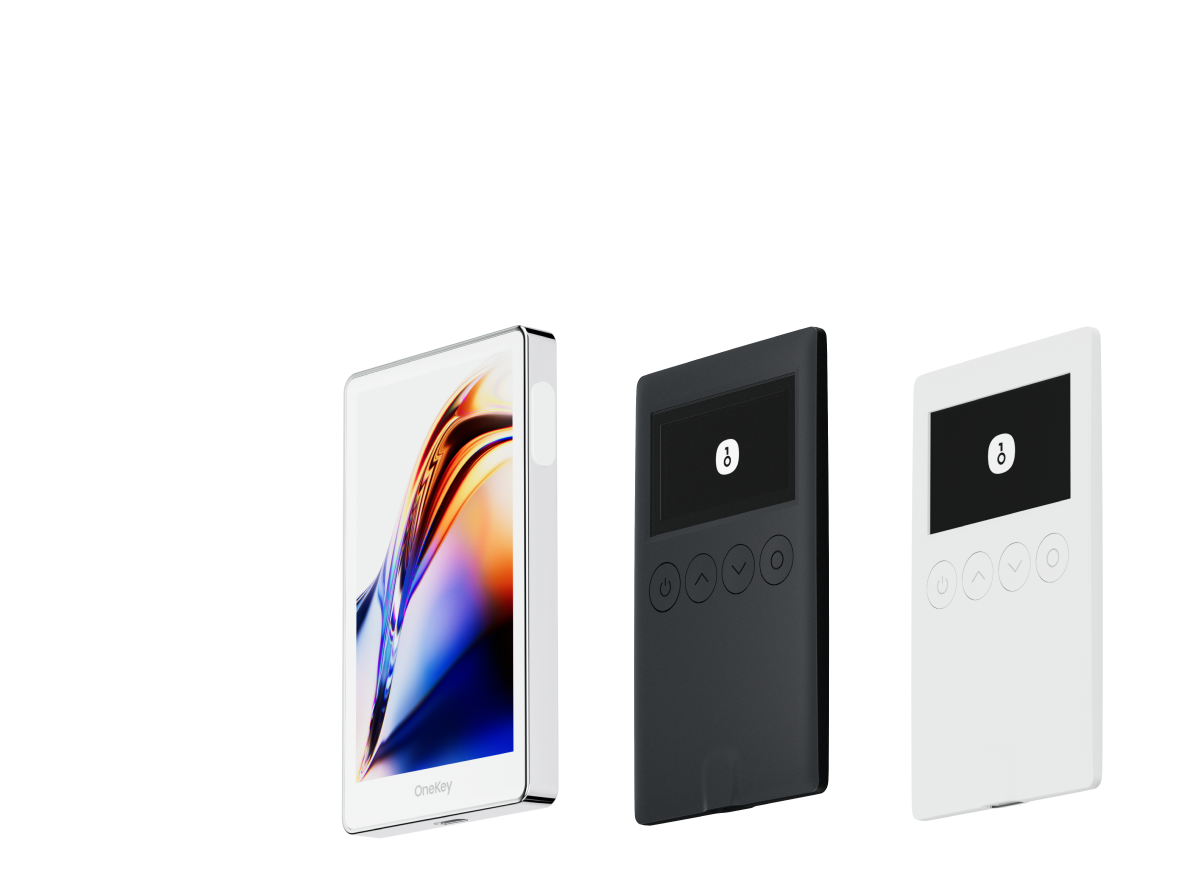
If you choose to experiment with meme coins on Tron, keep security front‑of‑mind. A hardware wallet helps ensure that sensitive operations — like signing approvals and swaps — happen on a secure, offline device, even when you connect to DEXs via WalletConnect or similar interfaces.
OneKey supports Tron accounts and TRC‑20 tokens, enabling you to:
- Safely store TRX and USDT (TRC‑20) with keys held offline
- Review transaction details on a trusted screen before approving
- Reduce the risk of malware and credential theft during high‑frequency trading
This approach pairs the convenience of Tron’s low‑fee, high‑liquidity environment with the protection of hardware‑based key management — a sensible baseline when navigating fast‑moving meme coin markets.
Final thoughts
PEPEonTRON typifies the broader meme coin wave on Tron: fast, cheap trades on USDT pairs, fueled by social momentum and community narratives. The same features that make Tron ideal for experimentation also heighten the need for disciplined risk management. Verify contracts, track liquidity, manage approvals carefully, and consider hardware‑backed self‑custody if you plan to participate. With the right precautions, you can explore the trend while minimizing avoidable hazards in the process.