PANDU Token: The Panda-Themed Coin Making Moves in the Bamboo Forest


Key Takeaways
• Meme coins like PANDU rely heavily on community narratives and can be highly volatile.
• Conduct thorough research on contract verification, tokenomics, and liquidity before investing.
• Use secure custody methods, such as hardware wallets, to protect your investments from scams and market risks.
Meme coins continue to surprise crypto markets, and a new entrant — PANDU Token — is drawing attention with a panda-themed brand and a community-first approach. Whether you see it as culture-driven fun or a speculative momentum play, it’s worth breaking down how a token like PANDU can fit into today’s market structure, what risks matter, and how to handle custody if you decide to participate.
Meme coins in 2025: still here, more sophisticated
Meme coins aren’t going away. They’ve evolved with better tooling, smarter liquidity strategies, and communities that mobilize near real-time. As a concept, meme coins trade on narrative and community more than fundamentals, which is precisely what makes them volatile and fascinating. For context on how meme coins work and why they catch fire, this overview provides a grounded primer on narratives, liquidity, and risks from Binance Academy at the end of this paragraph. See the explainer on meme coins by Binance Academy for a solid grounding in the topic.
- Reference: What are meme coins (Binance Academy)
Where PANDU could live: Ethereum vs. Solana
Most new meme coins launch on either Ethereum or Solana, each with distinct trade-offs:
- Ethereum: Deep liquidity, established DeFi rails, and widely supported tooling for contract verification and analytics. MEV dynamics, gas spikes, and crowded mempools can affect execution and user experience, especially during hype phases. Learn more about MEV and why it matters for transaction fairness and slippage at the link below.
- Reference: MEV on Ethereum (ethereum.org)
- Reference: Etherscan’s Verified Contracts directory
- Solana: High throughput and low fees, which suit meme coin trading frenzies. Ecosystem growth has pulled in retail flow, though network performance and congestion under heavy load remain ongoing engineering themes. Explore Solana’s ecosystem and developer resources to understand the infrastructure landscape.
- Reference: Solana official site
If PANDU issues on Ethereum, you should expect to find verified contract details and on-chain analytics via Etherscan. If it’s on Solana, the Solana Explorer and related tooling will be your best friends for tracking supply, holders, and large wallet flows.
What to look for before you ape in
Because meme coins are narrative-driven, your research must be practical and fast. Here’s a checklist for PANDU (or any similar token):
- Contract verification: Confirm whether the contract is verified and open-source. This allows you (or independent analysts) to inspect mint functions, ownership controls, tax mechanics, or blacklist logic.
- Reference: Etherscan’s Verified Contracts
- Supply and tokenomics: Check total supply, initial distribution, and any allocations for the team, marketing, or treasury. Lockups and vesting reduce sell pressure.
- Liquidity: Assess whether LP tokens are burned or timelocked and how much liquidity is actually paired on major DEXs. Sudden liquidity pulls are a common risk.
- Ownership renouncement: If the deployer retains privileged roles, understand what functions they can call (e.g., fee changes, mint/burn).
- Listings and market data: Use aggregators to confirm the correct ticker and smart contract address, and to watch price history and volume patterns. This helps avoid impostor contracts or ticker collisions.
- Reference: CoinGecko
- Reference: CoinMarketCap
- Community health: Look for consistent updates, transparent announcements, and clear development roadmaps. Fragmented or spammy channels can be a red flag.
For broader patterns in market behavior, including how liquidity and speculative flows cycle through narratives, ongoing research and news coverage help you contextualize what you’re seeing on-chain and on social media. Industry-grade research and journalism remain useful benchmarks:
- Reference: Messari
- Reference: CoinDesk
- Reference: The Block
- Reference: Chainalysis Blog
Trading mechanics: execution and slippage
If PANDU is traded on DEXs, pay attention to:
- Slippage tolerance: During hype phases, set conservative slippage, and consider limit orders where possible. On Ethereum, MEV can worsen execution if your transaction becomes profitable for arbitrageurs.
- Gas strategy: If the market is hot, you may need to bump fees for timely inclusion. Conversely, avoid overpaying during calmer windows.
- Liquidity pools: Don’t assume all pools are equal. Check which pool has depth, and confirm that the pool corresponds to the official token contract address.
- Routing: Aggregators can find better execution paths across pools, but verify that the route isn’t introducing tokens with transfer taxes or other unexpected mechanics.
Security and custody: don’t let the narrative own you
Meme coins move fast — scams move faster. Always verify on-chain details before signing anything, and consider cold storage for longer-term holding:
- Use a non-custodial wallet with clear signing prompts, human-readable transaction decoding, and strong isolation between your hot and cold funds.
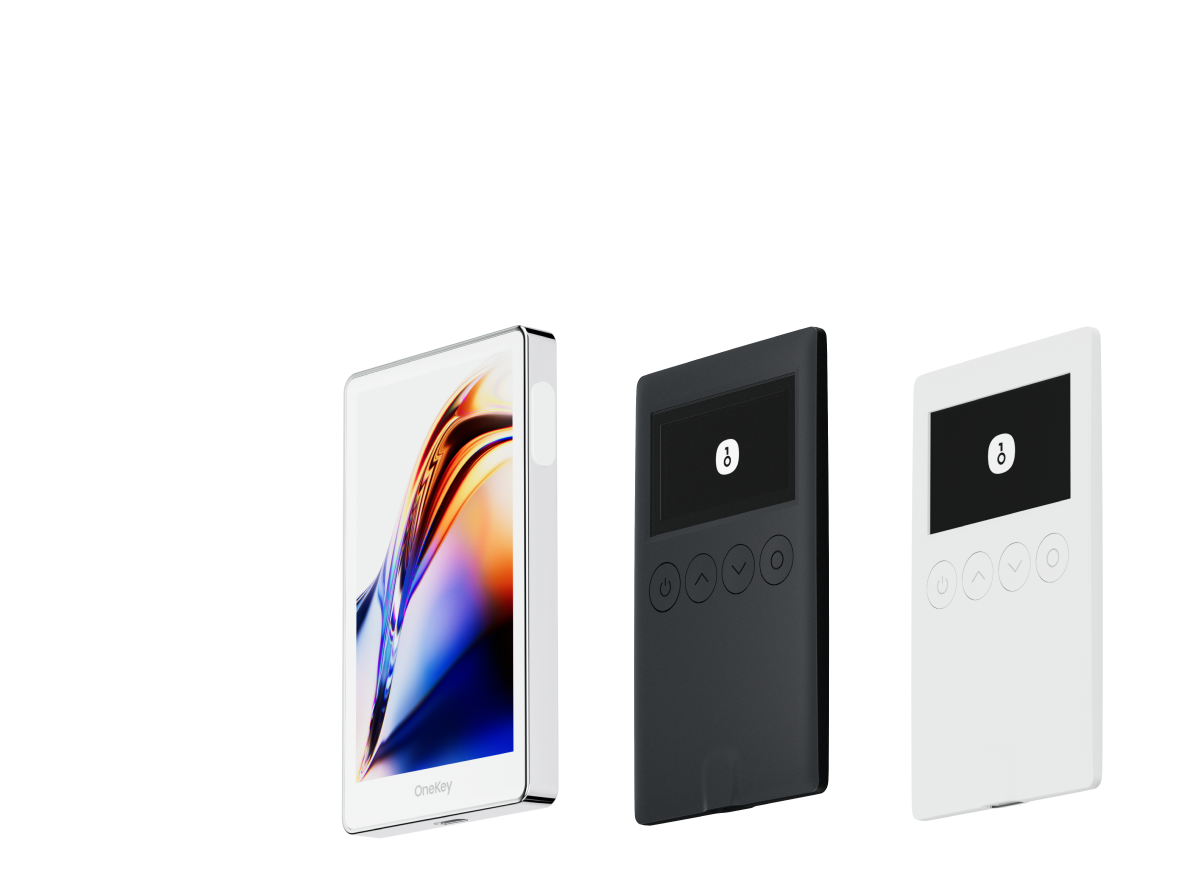
- For coins you intend to hold beyond short-term trading, hardware wallets reduce exposure to browser or OS-level threats. OneKey hardware wallets offer multi-chain support, transparent open-source firmware, and a secure element architecture designed to keep private keys offline while you interact with DeFi via companion apps. This setup helps mitigate common risks like malicious approvals or wallet-draining signatures.
Risk disclosures: volatility, rugs, and illusions of liquidity
It’s essential to recognize that meme coins, including PANDU, can experience extreme volatility and illiquidity. A token can rally 10x and retrace 90% within hours; liquidity can be pulled; tax or blacklist functions can be abused; and social narratives can reverse abruptly. The best defense is a research habit and strict position sizing. For ongoing analysis of fraud trends and market manipulation in crypto, Chainalysis provides useful reporting and case studies at the link below.
- Reference: Chainalysis Blog
A practical flow: how to evaluate PANDU in under 20 minutes
- Confirm the official contract address via the project’s verified channels.
- Check contract verification and privileged roles on Etherscan (or Solana Explorer).
- Review supply, mint/burn functions, and liquidity lock/burn status.
- Validate the correct pools on major DEXs and scan for transfer taxes.
- Cross-check listings on CoinGecko and CoinMarketCap for ticker collisions and market data.
- Read recent community announcements; prioritize sources with consistent timestamps and clear changelogs.
- Decide your custody plan: hot wallet for active trading; hardware wallet for long-term holding.
Final take
PANDU Token taps the meme coin playbook: culture-heavy branding, community momentum, and rapid on-chain distribution. That combination can be exciting — and risky. If you participate, don’t skip the basics: verify the contract, track liquidity, size positions conservatively, and separate trading funds from long-term holdings. For those choosing to hold PANDU beyond the short term, using a hardware wallet like OneKey to keep private keys offline can materially reduce operational risk while still letting you interact with DeFi when needed.
Stay curious, stay critical, and let the bamboo forest be a place of careful exploration — not unexpected predators.