Opinion: Don't Be Fooled by 7×24 Hour Trading—NYSE Can't Replace Stock Perpetual DEXs
Opinion: Don't Be Fooled by 7×24 Hour Trading—NYSE Can't Replace Stock Perpetual DEXs
In the evolving landscape of blockchain and cryptocurrency trading, a common misconception persists: that the New York Stock Exchange's (NYSE) move toward 7×24 hour trading poses a fatal threat to stock perpetual DEXs. This view oversimplifies the profound differences between traditional stock exchanges and decentralized perpetual futures platforms like those on Hyperliquid or emerging protocols. As crypto markets push toward 2025 trends like tokenized real-world assets (RWAs) and on-chain derivatives, understanding these distinctions is crucial for traders seeking true sovereignty and innovation.
The Myth of 7×24 as the Ultimate Value Proposition
Many argue that extending NYSE trading hours to cover weekends and holidays—announced as part of its push for continuous markets—will lure users away from perpetual DEXs, which have long offered non-stop trading thanks to blockchain's always-on nature. Platforms like Hyperliquid gained traction precisely for this feature, enabling seamless perpetual futures contracts without expiration dates or rollovers, a innovation pioneered in crypto by BitMEX in 2016.
However, 7×24 hour access is just table stakes in DeFi. Traditional exchanges like NYSE remain gated ecosystems, relying on registered broker-dealers for access and facing T+2 settlement delays for ownership transfer. In contrast, decentralized exchanges (DEXs) settle trades on-chain in seconds via public blockchains like Ethereum or layer-2s, with users retaining full custody through compatible wallets. This eliminates third-party risk but demands vigilance against smart contract vulnerabilities or phishing—risks mitigated by secure hardware solutions.
For deeper insight into how stock exchanges differ from DEXs in governance and transparency, see this analysis on stock exchanges vs. decentralized exchanges.
Target Users and Core Philosophies Diverge Sharply
NYSE and perpetual DEXs aren't competitors—they serve fundamentally different audiences. NYSE caters to institutional investors and retail traders bound by regulatory compliance, offering stability under centralized oversight from boards and regulators. Its opacity in order routing and high barriers to listing (months of approvals and hefty fees) prioritize "too-big-to-fail" security over accessibility.
Perpetual DEXs, however, target crypto natives: hedgers mitigating price risk, speculators leveraging up to 100x on assets like tokenized stocks, and market makers providing liquidity via automated market makers (AMMs) or order books. Protocols like Perpetual Protocol, GMX, or Drift leverage composability—a blockchain superpower—allowing users to integrate futures positions with Uniswap V3 liquidity pools or GLP positions for unprecedented capital efficiency. This on-chain innovation, powered by funding rates to anchor futures to spot prices, is absent in TradFi.
As perpetual DEX research highlights, DEXs thrive not by mimicking centralized exchange (CEX) speed—blockchains prioritize security and decentralization over server-based velocity—but by unlocking hybrid models like real liquidity backed AMMs. Emerging 2025 dynamics, including CFTC scrutiny on on-chain derivatives as seen with dYdX, underscore why DEXs must lean into permissionless listing of long-tail assets and DAO governance for token holders.
Why Perpetual DEXs Are Built for the Crypto Future
Blockchain's antifragility shines in perpetual DEXs: transactions are publicly auditable on explorers, fees reward liquidity providers directly, and low entry barriers foster rapid token launches—though not without scam risks. Challenges like oracle manipulation, incentive-driven "toxic liquidity," and cascading liquidations during volatility persist, but solutions like insurance funds and auto-deleveraging evolve iteratively.
Hybrid futures may bridge worlds, with tokenized stocks trading permissionlessly, but NYSE's centralized DNA can't replicate DEX sovereignty. For a state-of-the-art overview of perpetual DEX mechanics, check this guide on perpetual futures.
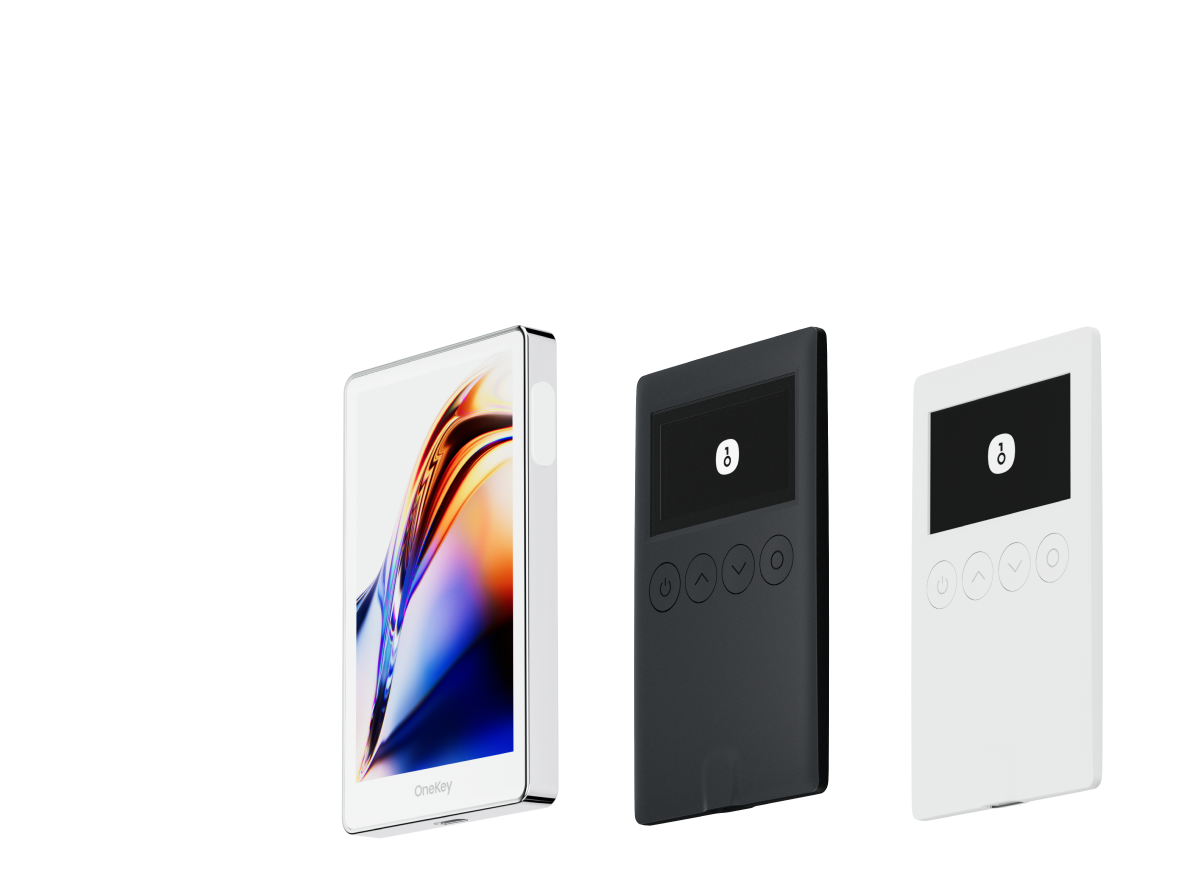
In this stock perpetual DEX era, secure self-custody is non-negotiable amid rising on-chain volumes. OneKey's hardware wallet, with its air-gapped signing and multi-chain support, empowers users to trade high-leverage positions on Hyperliquid or similar platforms without exposing keys to hot wallets—safeguarding assets in a truly 7×24 decentralized world.