NPC Token Explained: The Meme Coin Mocking Internet Culture


Key Takeaways
• NPC Token is inspired by the Non-Playable Character meme, highlighting scripted online behavior.
• Different NPC tokens exist across various chains; always verify contract addresses.
• Memecoins attract attention due to their narrative simplicity and community engagement.
• Conduct thorough due diligence before investing in any NPC Token variant.
• Self-custody is crucial to minimize risks associated with exchanges.
Meme coins keep rewriting crypto’s playbook, blending online humor with on-chain speculation. NPC Token is the latest entry to lean into internet culture, riffing on the “Non‑Playable Character” archetype to lampoon the idea that people act like scripted characters online. This guide explains what NPC Token is, why it resonates, how to evaluate it, and how to handle custody and risk if you decide to participate.
What exactly is “NPC” in crypto?
“NPC” is shorthand for Non‑Playable Character — the background characters in video games with limited behaviors. The meme went mainstream as a commentary on perceived conformity online, later amplified by TikTok’s “NPC streams,” where creators perform repetitive responses to virtual gifts. That cultural backdrop made “NPC” a natural fit for crypto’s memecoin scene, where satire, speed, and virality drive attention. For cultural context, mainstream coverage of the TikTok NPC phenomenon helps show the meme’s trajectory and reach, such as the BBC’s explainer on the trend at the height of its popularity, which illustrates why NPC‑themed assets resonate beyond crypto’s core audience (see the analysis at the end of this section: BBC coverage).
In practice, “NPC Token” isn’t necessarily a single canonical asset. Multiple projects can and do launch tokens named NPC across different chains (e.g., Solana SPL tokens or Ethereum ERC‑20 tokens). Always verify the specific contract address on the relevant block explorer before interacting. For Ethereum tokens, refer to the ERC‑20 standard and check the contract on Etherscan; for Solana tokens, review the SPL Token Program and confirm details on Solscan. BBC coverage: TikTok’s “NPC” trend and internet culture. ERC‑20 standard: Ethereum.org. SPL Token Program: Solana SPL Token. Block explorers: Etherscan and Solscan.
Why NPC resonates with crypto in 2025
Memecoins continue to attract retail attention due to narrative simplicity, community energy, and rapid price cycles. In early 2025, coverage of memecoin activity highlights sustained interest, particularly on high‑throughput chains like Solana, where low fees and fast finality make trading frenetic. For ongoing context on memecoin market dynamics and trends, CoinDesk’s memecoin tag is a useful aggregator of timely reporting and analysis. See: CoinDesk’s memecoins coverage.
NPC‑themed tokens tap into a familiar meme — the idea that online participants follow scripts — and invert it by inviting the crowd to become “players” in a shared joke. That blend of self‑aware satire and speculative gameplay is classic memecoin fuel.
Mechanics and tokenomics: what to check before you ape
Different NPC tokens will have different designs, but you can apply a consistent checklist:
- Chain and standard: Is it an ERC‑20 on Ethereum or an SPL token on Solana? Standards matter for tooling and custody. Reference: ERC‑20 overview and SPL Token Program.
- Supply and distribution: Check total supply, mint authority status (renounced or not), and initial allocations. On Solana, verify if mint and freeze authorities are disabled; on Ethereum, verify owner privileges in the contract.
- Liquidity: Assess whether liquidity is locked and for how long. If liquidity is unlocked, insiders can drain pools.
- Holder concentration: Use block explorers to view top holders; extreme concentration increases manipulation risk. Browse holders on Etherscan or Solscan.
- Tax functions and permissions: Some tokens include transfer taxes or blacklist mechanisms. Read the contract or community audits and be wary of opaque permissions.
- Market behavior: Observe live trading flows and liquidity depths with tools like Dexscreener.
None of these checks guarantee safety, but they’ll help you avoid obvious pitfalls.
How NPC tokens trade
Memecoins typically launch via fair distribution or stealth listings, then gain traction on decentralized exchanges (DEXs). On Solana, aggregators like Jupiter streamline order routing across pools; on Ethereum, liquidity might concentrate on Uniswap or other DEXs. Be mindful of slippage, frontrunning, and MEV. Solana routing: Jupiter.
If you’re new to memecoins, take time to understand how DEX price impact, pool weights, and token taxes interact. Binance Academy’s primer on memecoins is a succinct overview of the category’s dynamics and risks: What are meme coins?.
Risk: satire doesn’t protect your capital
Memecoins are high‑volatility assets with real downside. Common risks include:
- Rug pulls and honeypots: Creators can drain liquidity or block sells. Security firms and data providers routinely document these patterns; Chainalysis’ reports on crypto crime are a good reference point for understanding how these schemes occur at scale. See: Chainalysis Crypto Crime Reports.
- Social manipulation: Rapidly spun narratives can drive pump‑and‑dump cycles. Watch for influencer‑led coordination and opaque marketing.
- Contract exploits: Poorly written tokens can be exploitable. CertiK’s knowledge resources explain common pitfalls in meme token contracts, including honeypot logic and malicious permissions. Overview: CertiK Knowledge Base: Honeypot in crypto.
Always approach NPC‑branded tokens as speculative, and never risk funds you can’t afford to lose.
Due diligence: a practical workflow
Before buying any NPC Token variant:
- Identify the exact token contract on the relevant chain via the project’s official channels and confirm on a block explorer.
- Verify mint and owner permissions:
- Check liquidity lock info and holder distribution using Dexscreener and the explorer’s holder tabs.
- Read community discussions with skepticism; look for independent audits or at least public code reviews.
- Test a small trade with conservative slippage to validate that sells are permitted.
Custody: keep speculative tokens off exchanges when possible
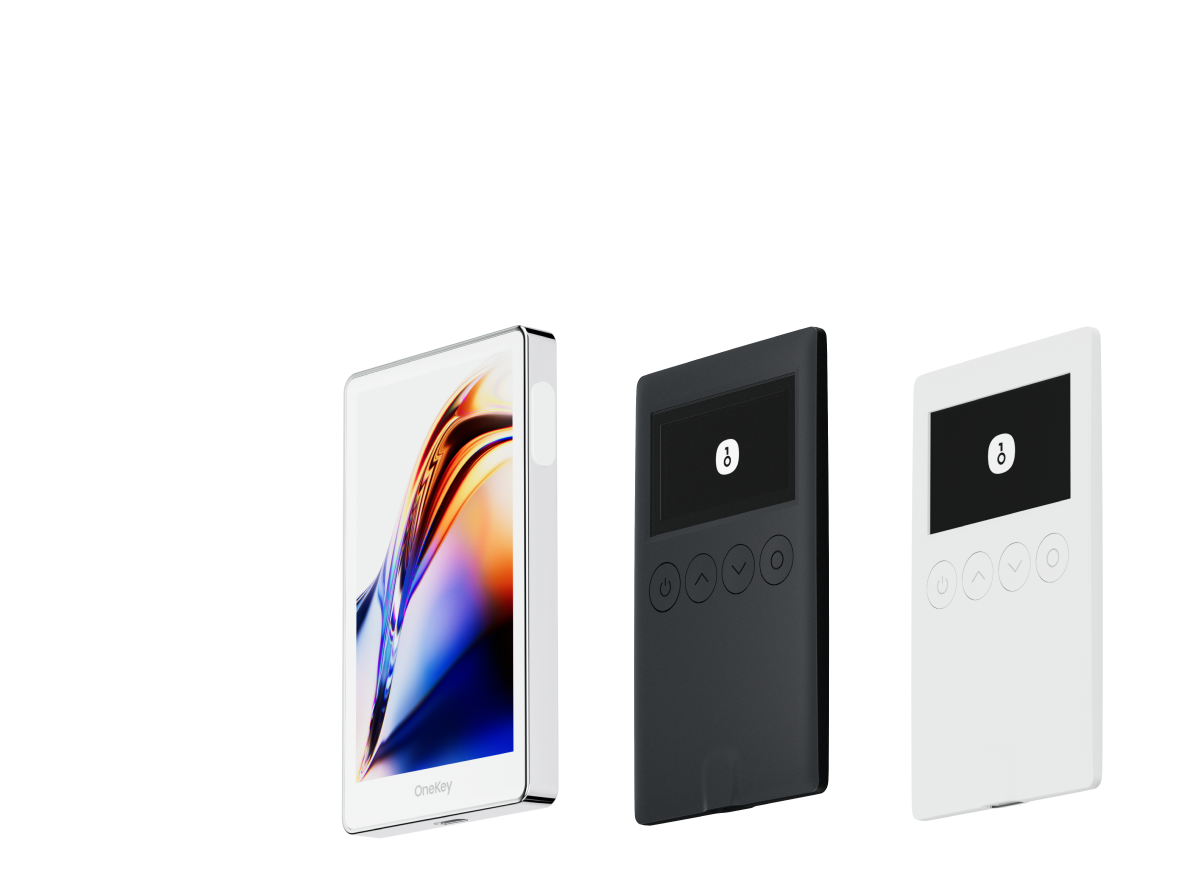
Self‑custody reduces counterparty risk. After trading, consider moving your NPC tokens to a hardware wallet. OneKey is designed for multi‑chain self‑custody and offers:
- Offline key storage with an open‑source stack focused on transparency.
- Broad chain support (e.g., Bitcoin, Ethereum, Solana) so you can sign SPL and ERC‑20 transactions securely.
- Seamless workflows with popular desktop and mobile wallets, minimizing exposure while interacting with DEXs.
- Clear signing prompts to help you spot risky approvals and prevent malicious contract interactions.
For memecoin traders, the critical advantage is removing exchange risk and minimizing approval scope — keep your keys offline, use temporary hot wallets for trading, and settle balances back to cold storage.
The bottom line
NPC Token is a meme coin that parodies internet culture while participating in crypto’s most chaotic sub‑market. It can be entertaining and sometimes profitable, but it’s also high‑risk and often short‑lived. If you engage, do rigorous on‑chain due diligence, use reliable tooling, and protect yourself with strong custody practices. Read credible overviews of memecoins and crime trends, monitor explorer data, and treat every new NPC‑branded token as a fresh contract with its own risks. For long‑term safekeeping of any assets you decide to hold, a hardware wallet like OneKey can anchor your security while you explore the memecoin frontier.