NOBODY Token Overview: The Meme Coin That Belongs to Everyone

Key Takeaways
• NOBODY token aims to be a fair-launch meme coin owned by the community.
• Key verification steps include checking mint authority, liquidity locks, and supply distribution.
• Self-custody is crucial for securing assets in the fast-paced meme coin environment.
• Retail enthusiasm and social media play significant roles in the current meme coin market dynamics.
Meme coins are back in the spotlight. In 2025, retail participation and on-chain speculation continue to surge, particularly on high-throughput chains and emerging ecosystems. Whether you view them as cultural artifacts, social coordination experiments, or pure speculative vehicles, meme coins have carved a durable niche in crypto. NOBODY token positions itself within this movement as “the meme coin that belongs to everyone,” leaning into a fair-launch ethos and a community-first narrative.
This overview explains what NOBODY aims to be, how to evaluate its claims, and practical steps for participating safely, including custody considerations.
The Meme Coin Moment, Again
On-chain trading ebbs and flows with narratives. In 2024–2025, low-friction DEXs and faster blockchains helped ignite a new wave of meme coins. Solana, for example, saw record decentralized exchange volumes when memecoin activity spiked, underscoring how social memes can drive serious liquidity and throughput in public networks. See CoinDesk’s coverage of this dynamic in “Solana Memecoin Frenzy Drives DEX Volumes to New Highs,” which contextualizes the broader market effects and trading behaviors even seasoned investors sometimes underestimate (reference at the end of the sentence: CoinDesk report).
Meanwhile, tracking categories like meme tokens on aggregators offers a snapshot of market breadth and sentiment. Browsing a live list can help you benchmark performance and volatility against more established names (see the category page on CoinGecko).
What NOBODY Claims: A Fair-Launch, Community-First Meme
NOBODY’s core message is ownership by everyone: no privileged insiders, no presale, no team allocation, and ideally renounced mint authority so no one can inflate supply. This blueprint, if genuine, reduces structural asymmetries and aligns with the community-driven ethos behind many popular meme coins.
Common attributes of “belongs-to-everyone” meme coins include:
- Fair distribution: The initial supply is open to the public, not reserved for insiders.
- Mint authority renounced: No more tokens can be minted after deploy. On Solana, this relates to the SPL Token Program’s mint authority concept (reference: SPL Token Program docs).
- Liquidity locked or burned: LP tokens are either irrecoverable (“burned”) or time-locked to deter rug pulls. For a primer on why liquidity locks matter, see Binance Academy’s explanation.
These claims are easy to state and harder to verify. If NOBODY describes itself as a genuinely community-owned meme, your due diligence should focus on confirming the on-chain facts.
How to Verify the “Belongs to Everyone” Story On-Chain
No matter the chain NOBODY is on, you can usually verify the most important claims with a block explorer and basic token metadata:
-
Contract or Mint Address
- Identify the official address from a verified source (official website, authenticated social accounts).
- Cross-check on chain. For Solana, explore the token and mint authority status on Solscan. For Ethereum or other EVM chains, examine contract ownership and code verification on explorers like Etherscan (reference: Etherscan contract verification guide).
-
Mint Authority
- Check if the mint authority has been revoked. On SPL tokens, mint authority should be set to “None” to prevent further issuance (reference: SPL Token Program docs).
-
Liquidity Locks
- Look for whether LP tokens are locked or burned. Many tokens disclose lock schedule or provide a link to a locker platform. Validate by scanning the LP token holder addresses on the explorer (reference at the end of the sentence: Binance Academy).
-
Supply Distribution
- Inspect top holders. Healthy distributions avoid outsized control by a single wallet, barring public LP contracts or known burn addresses.
-
Trading Integrity
- Check the DEX pair contracts for common honeypot mechanics (e.g., transfer taxes, blacklist functions). If the contract is open-source and verified, read the code or rely on reputable auditors and community researchers when available.
2025 Market Context: Speed, Retail, and Risk
This cycle’s meme coin wave is driven by retail enthusiasm, faster blockchains, and social media coordination. The same tailwinds also increase exposure to risks: opaque tokenomics, selective disclosures, and rapid pump-and-dumps.
Trusted data providers continue to flag scams, liquidity manipulations, and rug pulls as persistent concerns. For a macro perspective on crypto crime trends and the mechanics of common scams, review Chainalysis’ annual analysis (reference: Chainalysis 2024 Crypto Crime Report).
Regulators also highlight general crypto asset risks for retail investors, including extreme volatility and the challenges of safeguarding self-custodied funds. For a plain-English summary, see the U.S. SEC’s investor education portal (reference: Investor.gov crypto assets guide).
How to Participate: Access, Trading, and Fees
If NOBODY is listed on centralized exchanges, the path is straightforward. If it’s primarily traded on DEXs:
- Use the verified token address to avoid imitators.
- Set slippage appropriately. Highly volatile meme coins may require wider slippage tolerances, but larger slippage also increases front-running risk.
- Confirm that your wallet network settings and RPC endpoints are correct to avoid transaction failures during congestion.
For transparency, always trace where liquidity sits and which DEX pools dominate volume. When possible, prefer pools with clear lock details and adequate depth to minimize price impact.
Custody: Why Self-Custody Matters for Meme Coins
Meme coins move fast, and traders often chase short windows of market activity. That speed can come at the cost of security. Self-custody remains the most reliable way to maintain control over assets, especially for tokens that might not have mature institutional support.
Hardware wallets add a critical layer of protection by isolating private keys from internet-connected devices, preventing malware or phishing from exfiltrating your seed. If you plan to hold NOBODY beyond short-term trading, using a hardware wallet integrated with your preferred chain and DEX tooling is prudent.
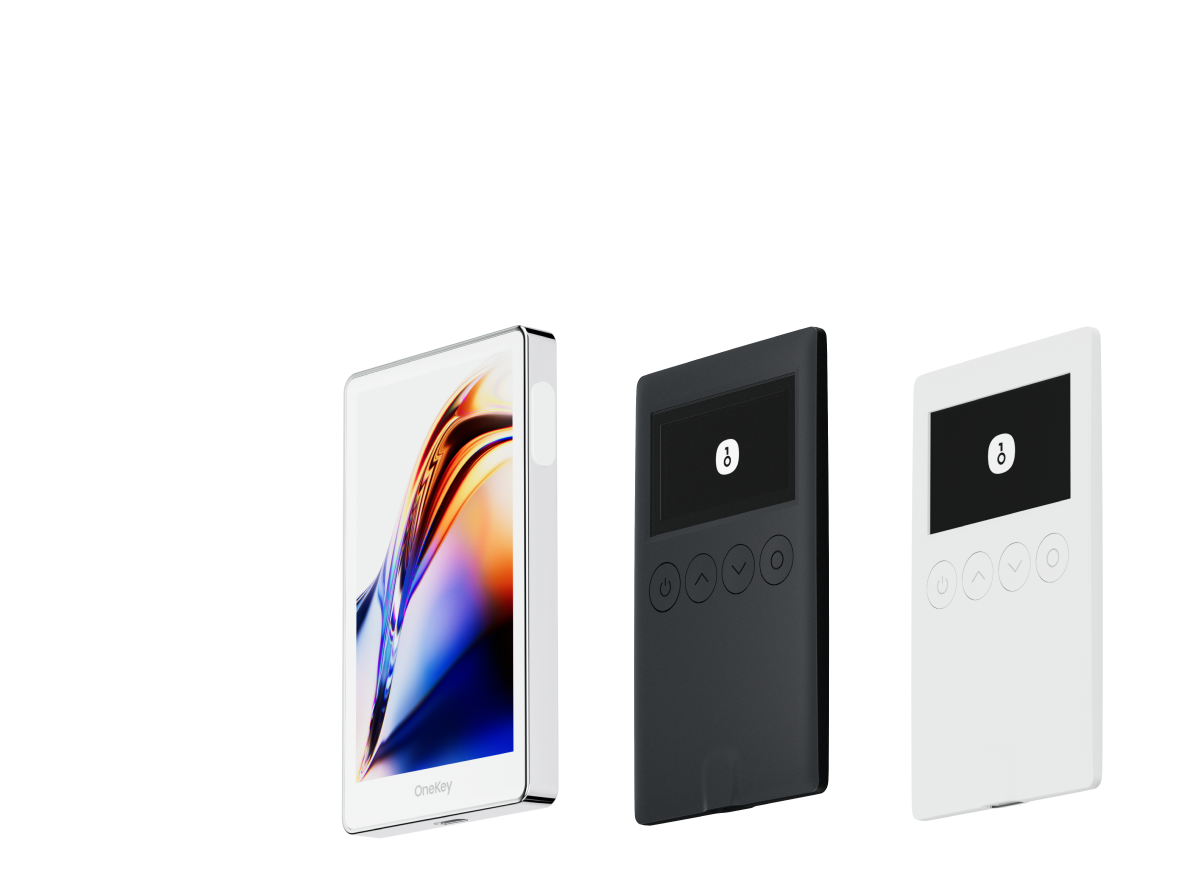
OneKey is designed for multi-chain self-custody and works with popular software wallets to sign transactions securely while keeping keys offline. For users rotating between ecosystems where meme coins tend to emerge—whether EVM or high-throughput L1s—this kind of plug-and-play hardware protection reduces operational risk during periods of volatile trading.
Practical Checklist Before You Buy
- Confirm the official contract/mint address via verified sources.
- Verify mint authority is renounced or otherwise constrained.
- Check liquidity locks or burns; scan LP token holders.
- Review holder distribution, looking for outsized control.
- Read the contract functions (taxes, blacklist, trading limits).
- Audit social signals with caution; prioritize on-chain facts.
- Use reputable explorers and aggregators to cross-check claims (references: Solscan, CoinGecko meme token category).
Long-Term View: Culture Meets Infrastructure
Meme coins are cultural primitives colliding with permissionless financial rails. Whether NOBODY ultimately endures will depend less on its origin story and more on the community’s ability to maintain liquidity depth, uphold fair distribution, and build credible social and technical infrastructure around the token.
If you participate, treat NOBODY like any other speculative crypto asset: do the on-chain work, keep costs and slippage in check, and secure your keys. When the narrative shifts—as it inevitably does—your process is what protects you.
References and Further Reading
- Solana memecoin-driven DEX volume reporting (market context): CoinDesk
- SPL Token Program (mint authority, token basics): Solana SPL Token docs
- Liquidity locks and why they matter: Binance Academy
- Crypto crime trends and scam mechanics: Chainalysis 2024 Crypto Crime Report
- Investor risks and crypto asset basics: Investor.gov
- Solana blockchain explorer for on-chain verification: Solscan
- Meme token market overview: CoinGecko category
If you plan to hold NOBODY or any other meme coin beyond short-term trading, add hardware-backed self-custody to your stack. Securing private keys offline while retaining seamless access to DEXs and multi-chain wallets provides the best blend of safety and agility during volatile markets—a balance OneKey is built to deliver.