MCDULL Token Explained: The Meme Coin Inspired by Hong Kong’s Favorite Pig

Key Takeaways
• MCDULL is a community meme token based on the popular Hong Kong character Mcdull.
• Meme coins are gaining traction, particularly on high-throughput chains like Solana.
• Key design elements to evaluate include token distribution, liquidity setup, and contract transparency.
• Conduct thorough research (DYOR) to verify official sources and contract addresses.
• Regulatory considerations are crucial for retail participants in Hong Kong's evolving virtual asset landscape.
Meme coins have evolved from internet jokes into serious market catalysts. In 2024–2025, the sector continued to see surges in trading activity, especially on high‑throughput chains like Solana, where meme‑driven speculation pushed decentralized exchange volumes to new highs. That backdrop has nurtured community‑led tokens built around familiar cultural icons. MCDULL is one such concept, inspired by Mcdull ( 麦兜 ), Hong Kong’s beloved, down‑to‑earth pig character known for his optimism and humor.
This article explains how a meme coin like MCDULL could be designed, researched, and safely custodied, and what Hong Kong’s regulatory environment means for retail participants.
What Is MCDULL?
MCDULL is positioned as a community meme token themed around Mcdull ( 麦兜 ), a long‑running character from Hong Kong animation and cinema with deep local resonance. While meme coins often have no intrinsic cash flows, they can amass vibrant communities that drive liquidity, social engagement, and short‑term price momentum. If a MCDULL token is live or launching, expect the project to lean heavily on community narratives, merch, art, and playful on‑chain mechanics rather than traditional “utility.”
For the cultural background of Mcdull ( 麦兜 ), see the character’s overview on Wikipedia for context on why it resonates with Hong Kong audiences and diaspora communities. Learn more about Mcdull (Wikipedia).
Meme Coins in 2024–2025: The Market Context
- The recent cycle saw a resurgence of meme coin trading, particularly on Solana, where fast finality and low fees make micro‑cap speculation feasible. Analysts tracked record DEX volumes linked to meme coin activity. Read CoinDesk’s coverage of Solana’s meme coin boom.
- Across chains, newly launched tokens frequently exhibit pump‑and‑dump characteristics. Chainalysis found that a large share of new coins display on‑chain signals of market manipulation. See Chainalysis research on new tokens.
MCDULL, as a community meme coin, would likely ride these structural currents: influencer mentions, fast retail cycles, and periodic liquidity waves.
Possible Chain Choices and Token Standards
Most meme coins launch on public smart‑contract blockchains with popular tooling:
- Ethereum (ERC‑20): Standardized token interfaces, deep liquidity, mature tooling, and broad wallet support. ERC‑20 token standard (Ethereum.org).
- Solana (SPL Token): High throughput and low fees with a simple token program; popular for rapid meme coin launches. SPL Token program (Solana).
- Bitcoin inscriptions (BRC‑20‑style): Experimental approaches built atop Ordinals and inscriptions, with unique trade‑offs in indexer reliance and UX. Ordinals documentation.
If MCDULL exists on multiple chains, verify the official contract addresses across explorers (e.g., Etherscan, Solana Explorer/Solscan) before interacting.
Token Design: What to Look For
Key design elements to evaluate:
- Fair launch vs. presale: How were tokens distributed? Are there team allocations or early investor tranches?
- Liquidity setup: Is liquidity pooled on DEXs and locked? What are the pool sizes and depth? Uniswap protocol overview.
- Taxes and mechanics: Any buy/sell taxes, burn functions, or transfer restrictions embedded in the smart contract?
- Contract transparency: Is the source code verified and readable? Are proxies or upgradable patterns used? Contract verification explained (Etherscan).
- Security posture: Has the project adopted audited, well‑known implementations like OpenZeppelin for ERC‑20? OpenZeppelin ERC‑20 docs.
How to DYOR (Do Your Own Research) on MCDULL
Because meme coins can move quickly and documentation may be sparse, use a structured checklist:
- Official sources: Confirm the project’s official website, verified social accounts, and announcement channels. Watch for fake domains and look‑alike handles.
- Contract address: Cross‑verify the contract on multiple explorers and ensure your wallet shows the same address before any transfer.
- Code and permissions: Check whether the contract is verified, whether there are owner‑only functions, trading pausers, blacklist/whitelist logic, or hidden mint capabilities.
- Liquidity health: Inspect LP lock duration and ownership of LP tokens. Sudden removals can signal a rug pull.
- Distribution: Review top holders and wallet clustering to gauge concentration risk.
- Community behavior: Organic growth beats manufactured engagement. Sudden paid shill blitzes with no technical substance can be a red flag.
- Regulatory awareness: In Hong Kong, retail‑facing virtual asset activities are subject to evolving rules and licensing. The government issued a policy statement to foster responsible development of virtual assets; refer to official sources when considering platform risk. HKSAR Government policy statement on virtual assets. The Securities and Futures Commission (SFC) also maintains warnings and alerts relevant to unlicensed platforms and risky products. SFC warnings and alerts.
Buying and Custody: Practical Tips
If you decide to participate:
- Verify before you buy: Confirm the exact token contract and chain. Never rely solely on ticker symbols.
- Use reputable venues: If trading on DEXs, scrutinize the pool details and slippage. If using centralized platforms, check their licensing and compliance status under local regulations.
- Manage transaction risks: Set conservative slippage and beware of honey‑pot contracts that allow buys but block sells.
- Custody matters: Self‑custody reduces platform risk. Store your private keys offline, enable passphrases where appropriate, and maintain a secure backup procedure.
- NFTs and branding: Tokens referencing IP may use fan art or parodies; always consider the legal and reputational risks before engaging deeply.
Hong Kong Angle: Why Local Culture Matters
MCDULL’s theme taps into Hong Kong’s cultural identity, which can strengthen community cohesion and long‑term collector interest. That said, culture‑driven tokens are still speculative assets unaffiliated with the original IP owners unless explicitly stated. Local retail participation should align with Hong Kong’s regulatory guidance and licensed venue availability. Stay alert to official advisories and policy changes in the virtual assets arena. HKSAR Government policy statement. SFC warnings and alerts.
Key Risks to Remember
- Volatility: Meme coins can swing wildly on sentiment alone.
- Liquidity traps: Thin pools lead to large slippage and exit difficulty.
- Smart‑contract exploits: Unverified or upgradable contracts can hide malicious logic.
- Market manipulation: Rapid launches sometimes exhibit pump‑and‑dump dynamics. Chainalysis analysis on new tokens.
- Regulatory considerations: Advertising, listing, and retail access may be restricted depending on jurisdiction.
Where OneKey Fits In
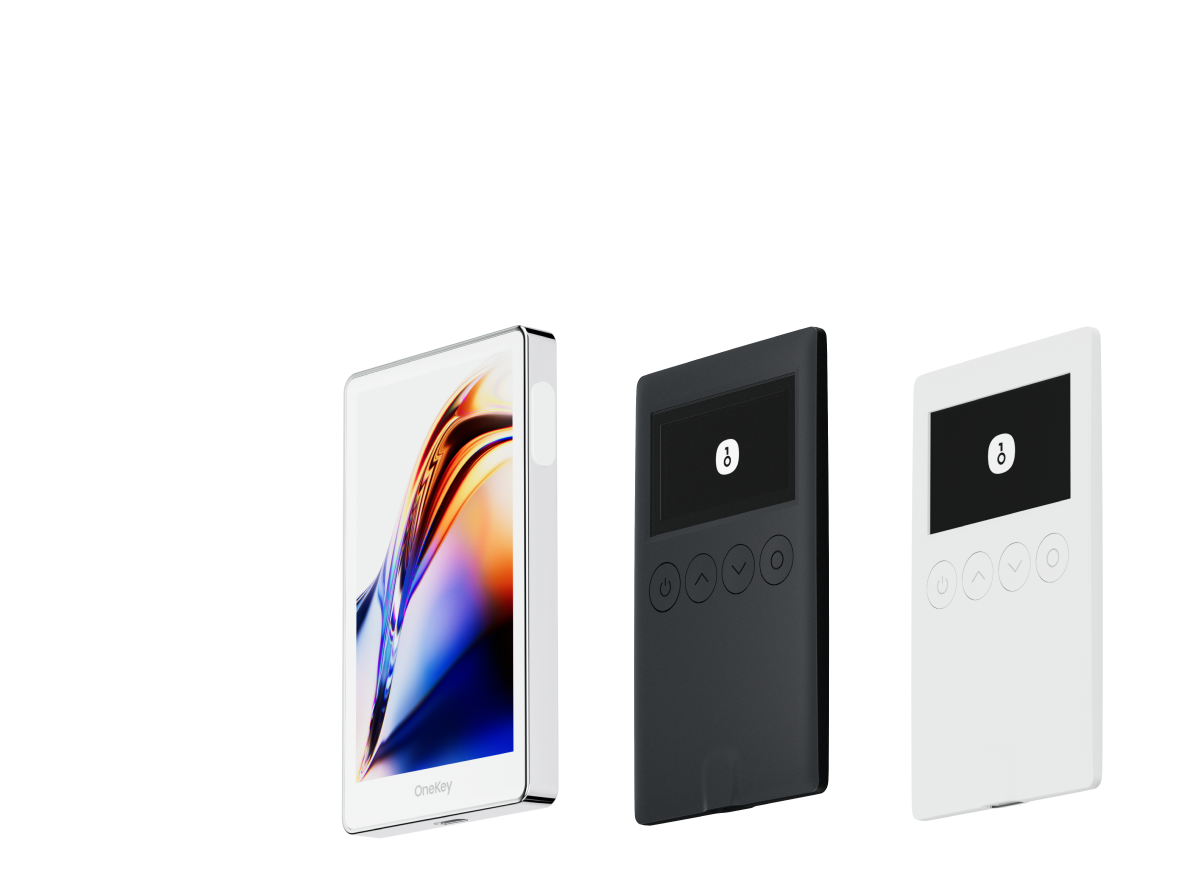
If you hold meme coins like MCDULL, self‑custody is a practical way to reduce venue risk. OneKey hardware wallets let you:
- Keep private keys offline while signing transactions securely for chains like Ethereum and Solana.
- Verify addresses and transaction details on a trusted display before approving on‑chain actions.
- Integrate with the OneKey app for token and NFT management without exposing keys to a hot environment.
That combination is useful for volatile, community‑driven assets where platform risk and phishing attempts are common. Securing your keys first ensures you control your holdings regardless of market cycles or exchange availability.
Final Thoughts
MCDULL brings a Hong Kong cultural icon into the meme coin arena, where narratives drive short‑term momentum and community cohesion. Whether you see it as a collectible, a social token, or speculative exposure, the core discipline remains the same: verify contracts, study distribution and liquidity, assess regulatory context, and practice strong self‑custody. Use authoritative resources and keep a skeptical eye—meme coins can be fun, but the risks are real.
Further reading: