LUNC Token Explained: Understanding the Legacy of Terra Classic

Key Takeaways
• LUNC is the legacy token of Terra Classic, rebranded after the collapse of UST.
• The architecture of Terra Classic is built on the Cosmos SDK, enabling cross-chain communication.
• LUNC's token economics includes staking, supply management through burns, and community governance.
• The risk landscape for LUNC includes market volatility, technical changes, and regulatory scrutiny.
• Safe management of LUNC involves self-custody, wallet compatibility, and using hardware wallets for security.
Terra Classic’s LUNC is one of crypto’s most debated legacy assets. Born from the dramatic unwinding of Terra in May 2022, LUNC remains actively traded, staked, and governed by a community committed to keeping the chain alive. This article unpacks what LUNC is, how Terra Classic works under the hood, the token’s evolving economics, and the practical security considerations if you choose to hold it.
What is LUNC?
LUNC is the legacy version of Terra’s original LUNA token, rebranded after the collapse of the algorithmic stablecoin UST and the chain’s subsequent fork. Post-crisis, a new chain (Terra 2.0) launched with a new LUNA token, while the original chain continued as Terra Classic with LUNC and USTC (the depegged stablecoin). For historical context on Terra’s rise and fall, see a detailed overview from CoinDesk, as well as mainstream reporting on the 2022 crash by the BBC.
References: CoinDesk: What is Terra LUNA?, BBC coverage of the Terra crash
The architecture: a Cosmos SDK chain with IBC
Terra Classic is built with the Cosmos SDK and uses Tendermint-style Byzantine Fault Tolerance for consensus. This design prioritizes modularity and enables cross-chain connections through IBC (Inter-Blockchain Communication), giving Terra Classic the ability to transfer assets and messages across other Cosmos-based networks.
References: Cosmos SDK documentation, IBC protocol overview
For on-chain metrics, validator health, and governance activity, Terra Classic’s network pages on Mintscan are a reliable resource: Terra Classic on Mintscan. You can also track new releases and technical updates on the core repository’s release feed: Terra Classic Core Releases.
Token economics: supply, staking, and burns
- Supply: After UST’s depeg, hyperinflation ballooned the legacy LUNA supply into the trillions. Terra Classic’s circulating supply is publicly visible via chain explorers. See current data on Mintscan.
- Staking: LUNC can be delegated to validators for staking rewards. As with other Cosmos chains, staking influences network security and governance participation.
- Burn mechanisms: The community introduced a small on-chain “tax” on transactions to burn a fraction of LUNC. In parallel, Binance instituted periodic burns of LUNC trading fees, a major driver of supply reduction narratives.
Reference: Binance LUNC fee burn announcement
These efforts are often discussed in governance proposals, where the community debates parameters like burn tax rates, distribution policies, and economic reforms. Track active votes on Mintscan Proposals.
Governance and community: where things stand
Since 2022, Terra Classic has operated through community-led governance, with validators and token holders shaping policy. The fork that created Terra 2.0 was covered in official communications at the time; see Terra’s announcement of the new chain launch for background: Terra 2.0 is live.
Ongoing governance topics include:
- Economic policy changes around burn, staking rewards, and treasury.
- Technical upgrades and parity efforts with modern Cosmos SDK releases.
- Controversies around proposals related to USTC mechanics and chain utility expansion.
To follow technical and governance progress, check the Terra Classic Core Releases and Mintscan governance feed.
Risk landscape: volatility, complexity, and regulation
- Market risk: LUNC is highly volatile, with narratives often driven by burns, exchange support, and governance news.
- Technical risk: Protocol changes, chain upgrades, and validator set health can impact usability and performance.
- Regulatory risk: U.S. regulators charged Terraform Labs and its founder following the collapse. Outcomes and enforcement actions can influence sentiment and exchange policies.
Reference: SEC charges against Terraform Labs and Do Kwon
As of 2025, Terra Classic remains an active chain, but its investment case is complex. Users should rely on verifiable on-chain data and authoritative sources when evaluating the token’s prospects.
How to hold and manage LUNC safely
If you choose to hold LUNC:
- Prefer self-custody over leaving funds on exchanges. Your private keys are the single point of control.
- Verify wallet compatibility with Cosmos-based signing and Terra Classic network parameters.
- Use offline signing for critical operations, and confirm addresses carefully (Terra Classic addresses typically begin with “terra1”).
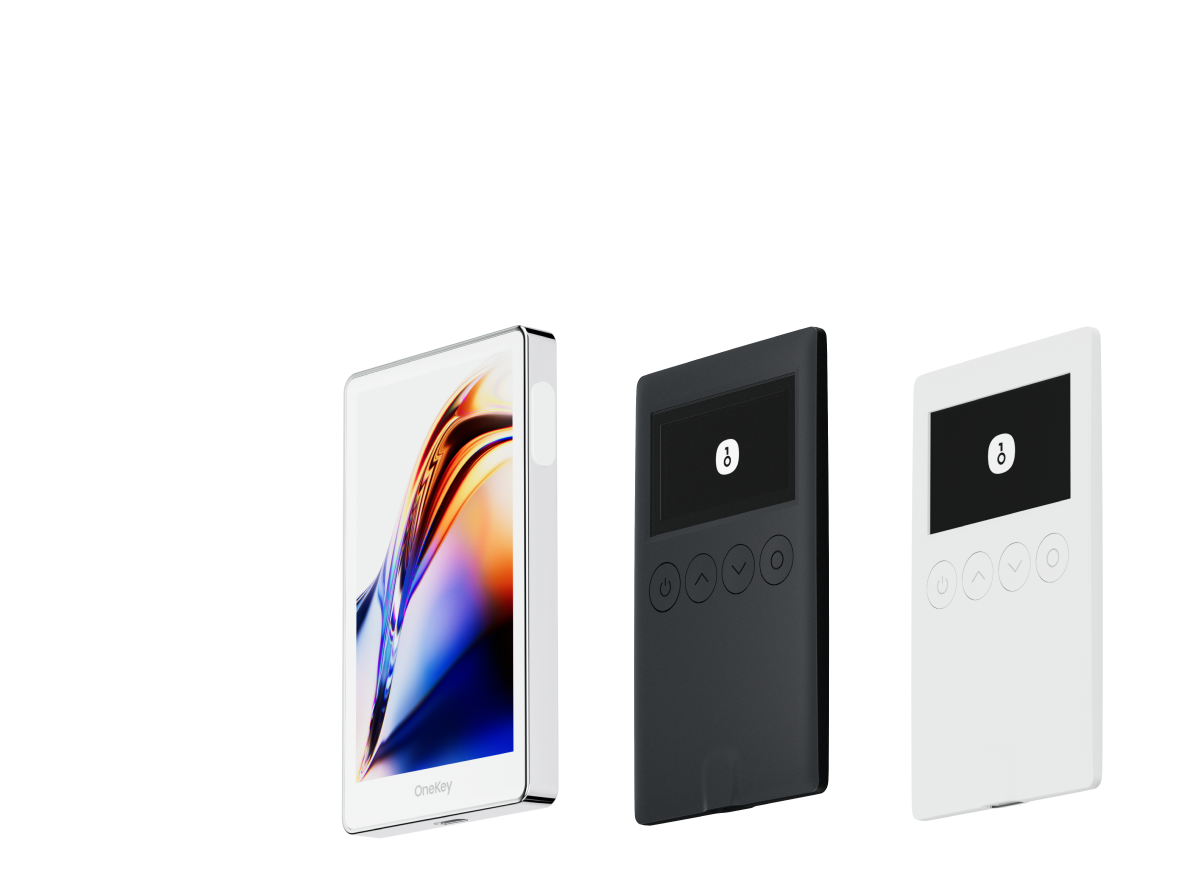
OneKey recommendation: Because Terra Classic is a Cosmos SDK chain that relies on standard cryptography (secp256k1), using a hardware wallet for offline key storage is a practical way to reduce counterparty and phishing risks. OneKey focuses on user-friendly self-custody, supports passphrase options for layered security, and offers open, transparent software components that help you verify how your keys are handled. If you plan to stake or vote on governance, pairing OneKey with a compatible Terra Classic client can help keep your keys offline while you sign transactions securely.
Frequently asked questions
- Is LUNC the same as LUNA?
No. LUNC is the legacy token on Terra Classic. The post-fork Terra 2.0 uses LUNA. - Can burns meaningfully reduce supply?
Burns reduce supply incrementally. Their impact depends on volume, tax parameters, and participation by exchanges and dApps. Track real data via Terra Classic on Mintscan. - Does Terra Classic still integrate with Cosmos?
Yes. The chain uses the Cosmos SDK and IBC, enabling cross-chain transfers and potential integrations. See IBC protocol overview.
Bottom line
LUNC represents the legacy of Terra’s most consequential chapter. Despite the collapse, Terra Classic persists with an active validator community, ongoing technical upgrades, and a dedicated base of holders. If you engage with LUNC—whether for staking, governance, or long-term holding—anchor your decisions in on-chain data, stay current with governance proposals, and prioritize secure self-custody. For users who want an extra layer of assurance, a hardware wallet like OneKey can help keep keys offline while still letting you participate in the Terra Classic ecosystem.