LUNA Token: A Meme Coin with a Controversial Name? LUNA Token's New Identity


Key Takeaways
• The LUNA name is associated with both Terra's legacy and new meme coins, creating confusion.
• Users must verify token identity through contract addresses and chain information to avoid scams.
• Security practices such as limiting token approvals and using hardware wallets are essential for safe trading.
Meme coins continue to thrive into 2025, riding waves of community hype, viral narratives, and rapid liquidity cycles. Few names stir as much emotion as “LUNA.” For many, LUNA is inseparable from Terra’s dramatic rise and collapse. For others, it’s just a catchy ticker ripe for a new meme coin identity. That tension—between legacy and reinvention—makes “LUNA” a uniquely controversial brand in crypto.
This article explores what “LUNA” means in the market today, how naming collisions can mislead users, and what you can do to protect yourself when trading or holding tokens that reuse a loaded name. We also offer practical custody and security guidance tailored to the realities of meme coins.
What Does “LUNA” Mean in 2025?
“LUNA” doesn’t point to a single token anymore. Today, it can refer to:
- Terra’s post-fork asset, often listed as LUNA (Terra 2.0). See the project page on CoinMarketCap for details under Terra (LUNA 2.0) at the Terra Luna 2 listing: Terra (LUNA 2.0).
- Terra Classic’s legacy asset, LUNC, which remains active under a separate ticker: Terra Classic (LUNC).
- Newer meme coins branded “LUNA” on various chains that are not affiliated with Terra. These may spin up quickly and rely on social media sentiment and community-led liquidity. For context on how meme coins function as a category, see CoinGecko’s meme coin market overview.
Because tickers aren’t globally unique and token names are easy to reuse, “LUNA” has become as much a label as it is an identity. The only reliable way to identify the token you mean is to verify its contract address and the chain it lives on.
Why the Name Is Controversial
The Terra ecosystem’s 2022 collapse reshaped crypto, with algorithmic stablecoin UST depegging and cascading into LUNA’s demise. This history is well-documented and still shaping perception today. A concise background is available in the Terra (blockchain) overview.
Legal, regulatory, and insolvency fallout carried into 2024 and beyond, yielding ongoing scrutiny of tokens tied—directly or indirectly—to the Terra brand. That context matters when assessing any new “LUNA” token, especially one positioning itself as a meme coin leveraging the name’s notoriety.
Naming Collisions: A Practical Risk
In crypto, token identity rests on code and coordinates:
- Chain: Which network hosts the token (Ethereum, Solana, BSC, etc.)
- Standard: ERC‑20 on Ethereum, SPL on Solana, and others
- Contract address: The unique on-chain identifier
The same ticker can exist across multiple chains and even multiple contracts on the same chain. A new meme coin using “LUNA” may be entirely unrelated to Terra (LUNA 2.0) or Terra Classic (LUNC). This ambiguity creates room for confusion, spoofing, and opportunistic scams.
If you trade or hold any “LUNA,” always verify:
- The token standard and chain: Review docs for ERC‑20 on Ethereum and SPL on Solana.
- The token’s contract address: Confirm via trusted explorers (e.g., Etherscan for Ethereum) and known token lists (e.g., TokenLists.org).
- Official sources: Cross-check the project’s website, GitHub, and socials with real-time listings on aggregators like CoinMarketCap or CoinGecko to ensure consistency.
A New Identity for LUNA as a Meme Coin?
Using “LUNA” as a meme brand taps into name recognition. It can also signal irony or irreverence—common themes in meme culture. Successful meme coins often lean on:
- Simple tokenomics (no complex utility at launch)
- Transparent distribution and liquidity provisioning
- Renounced or time-locked contract privileges
- Clear community stewardship and a public roadmap
But many meme launches are short-lived or purely speculative. If a project is “just for fun,” keep expectations aligned and size positions accordingly. Research patterns of fair launches, rug-pull red flags, and security audits. To familiarize yourself with common vulnerabilities and best practices, browse educational materials from security researchers like CertiK Resources.
Security, Custody, and Trading Hygiene
Meme coin trading often happens at speed—new listings, quick bridges, fast swaps, and repeated contract approvals. That creates attack surfaces beyond ordinary spot holding. To reduce risk:
- Verify before signing: Use explorers (e.g., Etherscan) to confirm contract addresses and token metadata. Match the chain ID with resources like Chainlist.
- Limit token approvals: Revoke excessive allowances periodically, especially after using DEXs and aggregators. Approval revocation tools are available in many ecosystems.
- Beware airdrops: Free token claims often bait signature collection or set exploit conditions. Verify token origins and avoid signing if something feels “off.”
- Segregate activity: Keep a separate hot wallet for degen trades and a cold wallet for assets you intend to hold longer. Isolation reduces blast radius if one address is compromised.
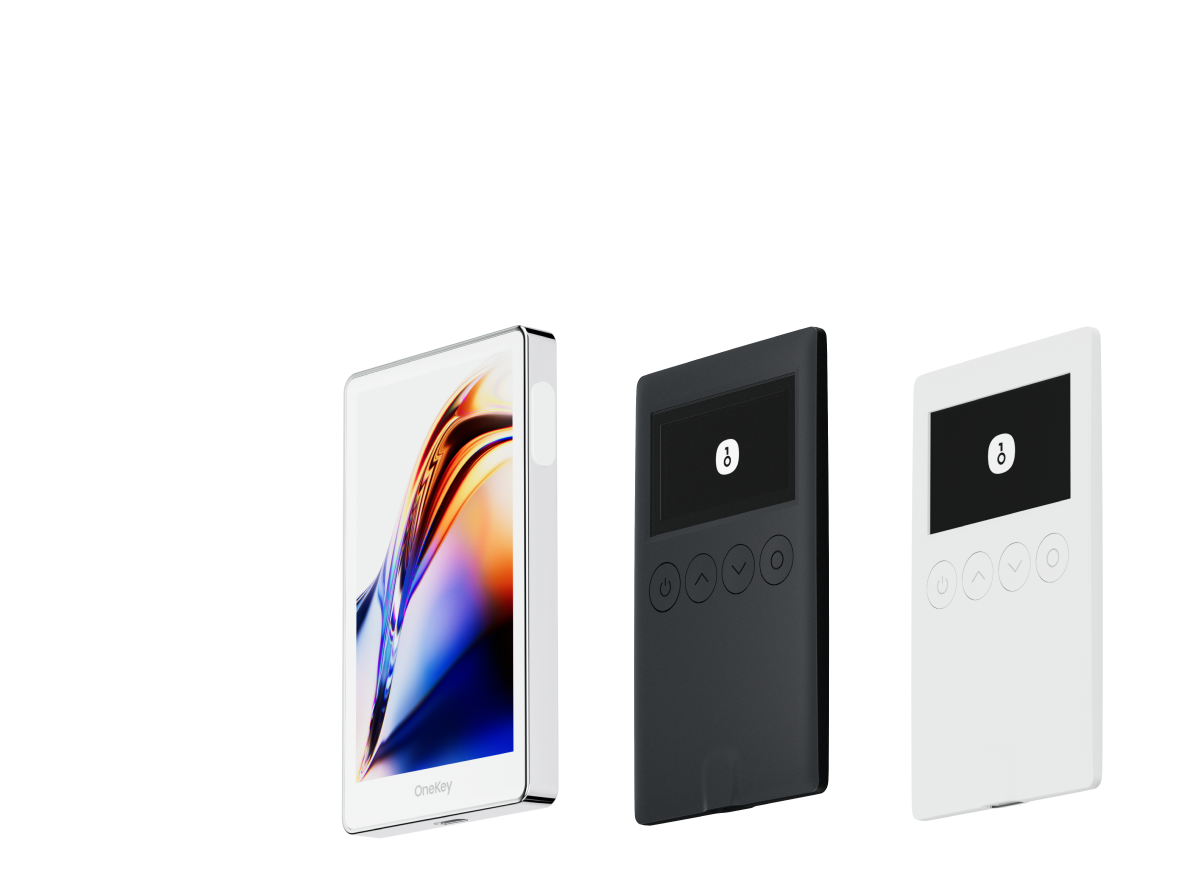
If you prefer hardware-backed custody for assets you intend to keep, OneKey offers offline private key storage, open-source firmware, multi-chain support, and clear signing that helps you see what you’re authorizing before you approve a transaction. For anyone navigating tokens that may share names but not identities, clear signing and address verification are valuable safeguards.
Research Checklist Before You Buy Any “LUNA”
- Confirm chain and contract address via an authoritative explorer, not just social posts or screenshots.
- Check token standards and metadata: Review ERC‑20/SPL details and verify decimals, symbol, and owner privileges using Ethereum ERC‑20 docs and Solana token docs.
- Look for transparency: Renounced ownership, time-locked liquidity, or verified contracts can reduce certain risks (though they don’t guarantee safety).
- Validate listings: Cross-reference aggregators like CoinMarketCap or CoinGecko’s meme coin category for consistency.
- Read the code or third-party reviews: If you can’t audit, consult established security resources such as CertiK Resources.
- Consider regulatory context: The broader policy environment remains dynamic; see general investor guidance on crypto asset risks from the U.S. government’s investor education site: Investor.gov on crypto assets.
The Bottom Line
“LUNA” has become more than a ticker—it’s a story. A new meme coin adopting the name is neither automatically suspect nor inherently innovative. It’s a branding choice that carries reputational baggage and demands careful verification. The only reliable way to know what you hold is to anchor identity to the chain and contract, not to the name.
If your meme coin strategy includes long-term holds or meaningful capital, consider combining a dedicated hot wallet for trading with cold storage for assets you truly want to safeguard. A hardware wallet like OneKey can help you keep private keys offline and adds clarity to your approvals and transactions—useful when navigating tokens that share names but differ entirely in code and intent.
Stay skeptical, verify on-chain, and size positions like the volatility is real—because in meme coin markets, it is.