LOFI Token: Chilling with Gains? The Vibe and Value of LOFI Token


Key Takeaways
• Culture coins thrive when narrative, distribution, and on-chain fundamentals align—vibe alone isn’t enough.
• Verify contracts, liquidity depth, and tokenomics before investing to avoid risks.
• Self-custody and permission hygiene are crucial for safely holding LOFI and similar tokens.
The crypto market has a soft spot for culture-driven assets. From memecoins to music-fueled communities, tokens that capture a “vibe” can rally attention—and liquidity—fast. LOFI token sits in that cultural pocket: part aesthetic, part community meme, and potentially part “music x crypto” experiment. But can a vibe translate into value that lasts?
This article breaks down how to think about LOFI token in today’s market structure, which metrics matter, where the risks hide, and how to custody tokens safely if you decide to get involved.
TL;DR
- Culture coins thrive when narrative, distribution, and on-chain fundamentals align—vibe alone isn’t enough.
- Check the contract, liquidity depth, holders distribution, emissions, and real activity before apeing in.
- DEX-first assets depend on market structure and infrastructure shifts (Ethereum L2s, Solana throughput) that affect costs and liquidity routing.
- If you hold LOFI or similar tokens, prioritize self-custody and permission hygiene.
Why “vibe” tokens still matter in 2025
Two dynamics keep culture coins relevant:
- Lower costs and faster settlement improve retail participation. The Ethereum Dencun upgrade reduced L2 fees, making on-chain interaction cheaper for retail flows. That’s good for grassroots tokens that live on L2s and rollups, as explained by the Ethereum Foundation’s note on Dencun’s mainnet rollout (Ethereum Foundation).
- Speculative attention cycles continue. We’ve seen how retail interest can push DEX volumes to records during narrative peaks (for instance, Solana’s memecoin wave pushed DEX volumes meaningfully higher in 2024) (CoinDesk).
Add in mainstream finance’s growing comfort with crypto exposure—such as spot ETH ETFs clearing a major regulatory hurdle in the U.S. in 2024—and you get a broader macro that can still funnel liquidity toward high-beta cultural tokens during risk-on phases (CNBC).
LOFI token: positioning and possibilities
LOFI token can sit at the intersection of:
- Memecoin dynamics (community, memes, fast cycles)
- Music x crypto (royalties, fan ownership, co-creation, or gating communities with token access)
- SocialFi (creator engagement and micro-economies)
Those angles are promising, but translating them into durable value requires more than an aesthetic. Look for:
- Utility primitives: gated content, staking for access, fee-sharing design, or integrations with music platforms (e.g., music NFTs and creator splits on platforms like Sound.xyz or Royal).
- Sustainable incentives: clear emissions and fair distribution that prevent value leakage from mercenary farming.
- On-chain traction: holders growth, active addresses, and consistent liquidity that suggests real participation beyond a single pump.
A practical research playbook for LOFI
Because ticker names get recycled across chains, always start with verification:
- Verify the contract
- Official sources: project website/X handle, GitHub, docs.
- Chain explorers: use Etherscan token directory or Solscan tokens depending on chain. Confirm decimals, deployer, and contract source verification.
- Liquidity and routing
- Where is liquidity? Which DEXes and pairs? Check pools and depth on aggregators (e.g., Dexscreener). Thin liquidity amplifies slippage and volatility.
- Are LP tokens locked? If yes, where and for how long? If not, beware sudden pulls.
- Tokenomics and distribution
- Read tokenomics carefully. A good primer on what to look for is here: Binance Academy on tokenomics.
- Check holder concentration: a few wallets with oversized allocations can coordinate sell pressure.
- On-chain activity
- Track daily active users, transfers, and new holders using public dashboards or build simple queries on Dune.
- Examine contract interactions and approvals; avoid dApps that request aggressive spending permissions.
- Security signals
- Open-source contracts and audits (e.g., libraries and patterns from OpenZeppelin Docs) are positive signs.
- Study common rug-pull patterns to know what to avoid (see this high-level overview by Chainalysis).
Market structure: where LOFI price discovery happens
- DEX-first: Many culture tokens list on DEXes first. That means routing efficiency, MEV, and gas/fees matter. On Ethereum, cheaper L2s post-Dencun improve UX. On Solana, throughput and low fees attract speculative cycles but also accelerate drawdowns.
- Avoiding fake pairs: Tokens with similar tickers often have multiple irrelevant pools. Confirm the canonical pool via official channels and explorer verification.
- CEX path: Some tokens secure centralized listings later, which can shift liquidity and volatility regime. Until then, liquidity fragmentation across DEXes is common.
Risk map for vibe tokens
- Contract and admin risks: Minting functions, blacklist/fee toggles, or upgradability without checks can be abused. Review the code or seek audits.
- Liquidity games: Unlocked LP tokens, thin depth, and stealth tax mechanics lead to slippage and exit risk.
- Narrative rotation: Attention can rotate in days. Price can decouple from community sentiment quickly.
- Regulatory uncertainty: If a token integrates revenue sharing or resembles a security in certain jurisdictions, that can introduce compliance risk.
A simple hygiene tip: regularly review and revoke risky approvals using tools like Revoke.cash.
Custody: if you hold LOFI, hold it right
When speculative volumes spike, phishing, fake airdrops, and malicious approvals also rise. Self-custody with hardware isolation remains the best baseline.
- Cold storage: Sign transactions offline and keep private keys off internet-connected devices.
- Allowance minimization: Grant only necessary approvals and revoke them after use.
- Address whitelisting: For recurring interactions, consider allowlisting trusted contracts.
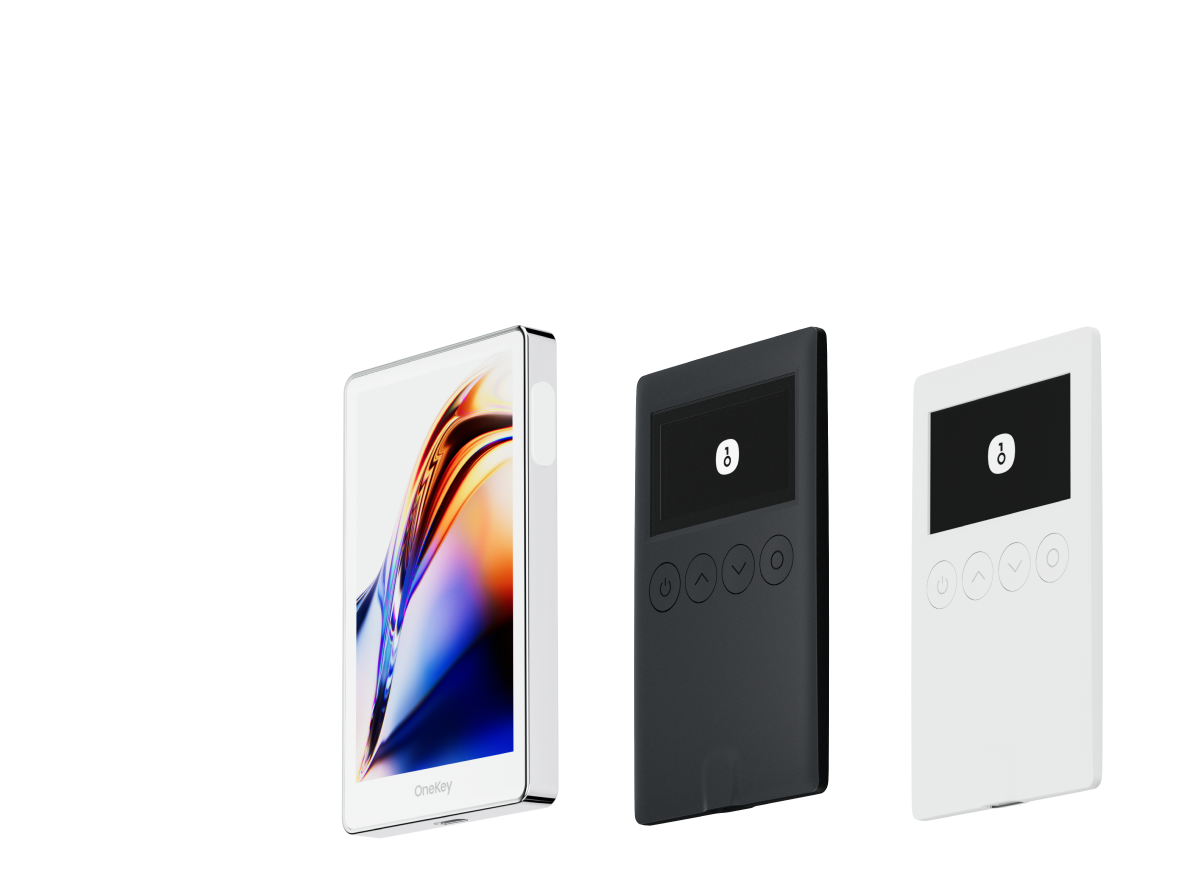
If you prefer a hardware wallet, OneKey can help here. OneKey offers open-source, multi-chain self-custody with support for major networks like Bitcoin, Ethereum, Solana, and popular Layer 2s. It integrates with WalletConnect-compatible dApps, so you can interact with DEXes while keeping keys in a secure element and firmware that’s inspectable by the community. That’s especially relevant for vibe tokens where DEX-first trading and contract approvals are the norm.
A research-first checklist for LOFI token
- Find and verify the official contract on Etherscan or Solscan
- Confirm primary liquidity pools and depth on Dexscreener
- Read tokenomics and emission design; align it with best practices from Binance Academy
- Assess code quality and audit posture via open repositories and OpenZeppelin Docs
- Review on-chain distribution and activity with Dune
- Understand broader market context: post-Dencun fee landscape on L2s (Ethereum Foundation) and liquidity cycles driven by culture narratives (CoinDesk)
- Maintain permission hygiene with Revoke.cash
Outlook: can the LOFI vibe compound?
Culture-led tokens can persist if they:
- Build real creator tooling or music integrations (gated content, revenue rails, fair splits on platforms like Sound.xyz)
- Establish predictable liquidity and reduce rent-seeking token mechanics
- Encourage community-created value—playlists, mixes, events, or collaborations—rather than relying purely on price memes
In 2025, cheaper on-chain activity and maturing analytics make it easier to separate genuine communities from flash-in-the-pan speculation. If LOFI ships real utility while keeping the vibe, it has a better chance of avoiding the typical culture-coin boom/bust arc.
Bottom line
LOFI token rides strong cultural currents—but “vibe” needs scaffolding: verifiable contracts, sustainable tokenomics, meaningful integrations, and secure user practices. Do your own research with on-chain tools, verify before you trade, and if you decide to hold, consider hardware-backed self-custody.
For users who plan to interact with DEXes and keep LOFI or similar tokens for the mid-term, using a hardware wallet like OneKey adds a crucial security layer while supporting multi-chain activity and WalletConnect workflows—so you can chase the vibe without compromising your keys.