LMT Token Explained: Powering the Limitless Metaverse


Key Takeaways
• LMT is a utility and governance token designed for a network of interoperable metaverse experiences.
• A native token like LMT provides economic coherence and aligns incentives for creators and users.
• Token design must address utility, sustainability, and compliance with regulatory environments.
• Security practices are essential for safe usage of LMT in the metaverse.
• Evaluating a metaverse token involves analyzing distribution, utility depth, governance structure, and transparency.
The metaverse is evolving from isolated worlds into a network of interoperable, on-chain experiences. At the center of this transformation sits the LMT Token — a metaverse-native asset designed to coordinate value, access, and governance across an open, Limitless ecosystem. This article clarifies what LMT is, how it can work under the hood, and the best practices users need to know in 2025’s rapidly changing crypto landscape.
What Is LMT?
LMT (Limitless Metaverse Token) is a utility and governance asset built to power a metaverse made of many interoperable experiences. In practice, LMT would most commonly be implemented as an ERC‑20 token on a smart contract platform (for example, Ethereum), leveraging the widely adopted ERC‑20 standard for fungible assets. NFTs used for avatars, wearables, and land could complement LMT with ERC‑721 or ERC‑1155, and royalties could follow EIP‑2981.
While each metaverse project designs its own token economics, a well-structured LMT aims to:
- Enable in‑world payments and pricing for digital goods and services
- Power creator rewards and platform incentives
- Govern protocol upgrades and treasury allocations
- Provide staking or access mechanics for premium features or nodes
- Coordinate interoperable identity and assets across different worlds
Why a Metaverse Needs a Native Token
The metaverse is not just 3D graphics; it’s persistent ownership, programmable economies, and cross‑world portability. A native token gives the network:
- Economic coherence: A single unit of account across games, social spaces, and marketplaces
- Incentive alignment: Creators, players, and infrastructure providers receive predictable rewards and fees
- Upgradability: Token‑holder governance can adapt rules as technology and user behavior change
- Interoperability: Shared standards for fungible tokens and NFTs help assets move across experiences, a focus echoed in the World Economic Forum’s work on interoperability in the metaverse
Token Utility and Value Flows
A healthy LMT design addresses both utility and sustainability:
- Spend and earn: Pay for items, subscriptions, or events inside the metaverse; earn LMT via quests, curation, or building content
- Creator economy: Fee splits and rewards that accrue to creators while maintaining platform health
- Sinks and sources: Transaction fees, seasonal passes, or crafting costs balance issuance and circulation; fee burns can reference mechanisms like EIP‑1559 to offset inflation
- Governance: Token‑weighted voting can manage upgrades, treasury grants, and economic parameters, drawing lessons from early on‑chain governance systems such as Compound Governance
Interoperability, Scaling, and 2025 Trends
Metaverse scale depends on throughput, latency, and cost. Ethereum’s 2024 Dencun upgrade substantially reduced data costs for rollups, accelerating L2 adoption and paving the way for more fluid on‑chain gaming and social experiences; see the Dencun roadmap and the broader Ethereum roadmap. In 2025, maturing account abstraction via EIP‑4337 and UX upgrades under discussion for future releases aim to make on‑chain interactions feel more like mainstream apps.
Cross‑chain movement remains important for a metaverse that spans multiple execution environments. However, bridges introduce unique security considerations. Vitalik Buterin’s analysis on the risks of cross‑chain asset transfers is still a touchstone for designers thinking about systemic safety in multi‑chain ecosystems; see the discussion on cross‑chain security. LMT implementations should prefer audited, battle‑tested bridge designs, minimize trust assumptions, and consider native issuance on multiple chains where appropriate.
Identity and Asset Portability
A truly Limitless Metaverse needs persistent identity that travels across worlds without sacrificing privacy. Decentralized identifiers (DIDs) and verifiable credentials can anchor reputation and access rights in a user‑controlled way. The W3C’s DID Core specification offers a vendor‑neutral model for portable identity. LMT can be used to gate experiences, unlock roles, or reward reputation, while NFTs implement portable avatars, achievements, and items.
Compliance in a Global Market
Token design must consider regulatory environments across jurisdictions:
- The EU’s Markets in Crypto‑Assets regulation sets comprehensive rules around issuance, disclosures, and service providers. Review the European Commission’s overview of MiCA.
- In the United States, the SEC’s “Framework for ‘Investment Contract’ Analysis of Digital Assets” outlines how tokens may be evaluated under securities law. See the SEC’s guidance on digital asset analysis.
Metaverse projects should maintain transparent communications, treat users fairly, and assess whether elements of LMT (such as fundraising or profit expectations) may trigger additional obligations.
Security: Using LMT Safely
More metaverse activity means more smart contracts and approvals. Two essential practices:
- Check and revoke allowances: Users often grant token approvals to dApps. Use trusted tools like the Etherscan Token Approval Checker to review and revoke risky approvals.
- Beware social engineering: Phishing continues to be a top attack vector. The U.S. FTC maintains clear consumer guidance on recognizing scams; see the FTC’s advice on phishing prevention.
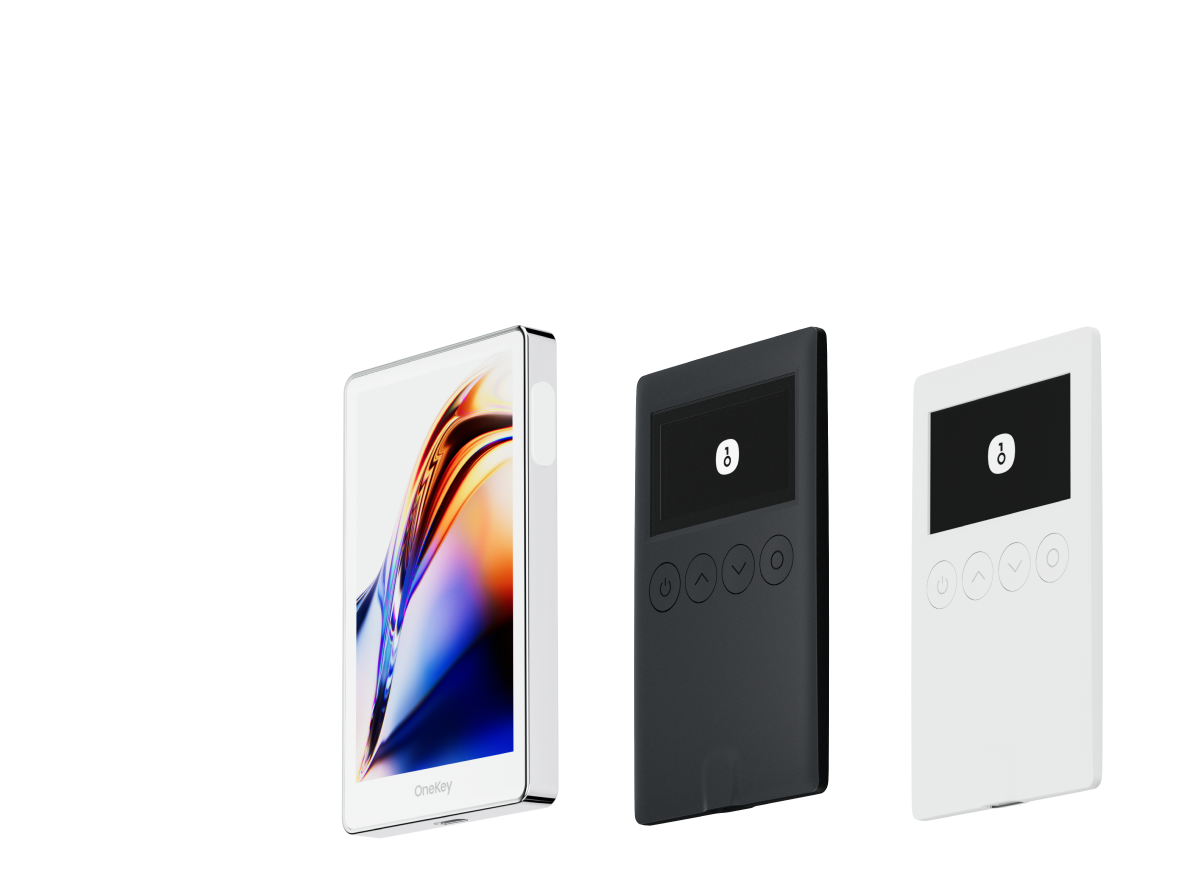
For long‑term storage and signing, hardware wallets remain a gold standard. OneKey offers an open‑source stack, multi‑chain support, and a simple UX that makes it straightforward to manage ERC‑20 tokens like LMT and related NFTs, while keeping private keys isolated from online devices. If you plan to hold LMT and participate in governance or creator payouts, securing keys with a dedicated device helps reduce operational risk.
How to Evaluate a Metaverse Token Like LMT
Before participating, consider:
- Token distribution: Team, treasury, community, and unlock schedules
- Utility depth: Concrete in‑world sinks and sources versus purely speculative narratives
- Governance structure: Voter participation, quorum thresholds, security of upgrade processes
- Economic sustainability: Revenues, fees, and whether value accrues to the token or to users/creators
- Technical roadmap: L2 adoption, bridge design, and identity standards
- Transparency: Code audits, open documentation, and clear disclosures
For a primer on token economics and evaluation, CoinDesk’s explainer on tokenomics is a helpful start.
Developer Corner: Designing LMT for Scale
Technical choices shape outcomes:
- Execution environment: Base on Ethereum for robust security and tooling; use rollups to reduce costs while leveraging proof‑of‑stake security
- Contract standards: ERC‑20 for LMT, ERC‑721/1155 for assets, EIP‑2981 for royalties, and EIP‑4337 for smart‑account UX
- Fee policy: Consider dynamic fee sinks, partial burns, and sustainable rewards
- Governance: Progressive decentralization, security‑minded timelocks, and multi‑sig protections
- Interop: Favor minimal‑trust bridging, robust monitoring, and incident response planning
Final Thoughts
The LMT Token is more than a coin; it’s the coordination layer for a network of worlds. In 2025, lower L2 costs, better smart‑account UX, and maturing standards make the Limitless Metaverse feasible — if token design balances utility, user protection, and compliance.
If you plan to hold LMT for the long term, participate in governance, or manage creator payouts, a hardware wallet adds an essential layer of defense. OneKey’s open‑source approach, multi‑chain compatibility, and intuitive interface make it a practical choice for securing LMT and the NFTs that bring your metaverse identity to life.