Litecoin Explained: The Silver to Bitcoin’s Gold

Key Takeaways
• Litecoin offers faster settlement times and lower fees compared to Bitcoin.
• It utilizes a unique Scrypt mining algorithm, allowing for different hardware dynamics.
• Merged mining with Dogecoin enhances Litecoin's security and miner incentives.
• The recent MWEB upgrade introduces optional privacy features for transactions.
• Litecoin's predictable monetary policy mirrors Bitcoin's, appealing to users valuing scarcity.
Litecoin remains one of the longest‑running, battle‑tested cryptocurrencies in the market. Often called the “silver to Bitcoin’s gold,” it inherits Bitcoin’s UTXO design and conservative security model while optimizing for faster settlement and lower fees. As the industry matures in 2025, Litecoin’s role as a payments‑friendly, low‑friction network is still relevant for merchants, miners, and long‑term holders.
What is Litecoin?
Launched in 2011 by Charlie Lee, Litecoin is a peer‑to‑peer digital currency built from Bitcoin’s codebase, with key changes intended to improve everyday usability:
- 2.5‑minute target block time (vs. Bitcoin’s 10 minutes)
- 84 million maximum supply (4× Bitcoin)
- Scrypt proof‑of‑work (PoW) mining algorithm rather than SHA‑256
These parameters enable quicker confirmations and typically lower fees, making Litecoin a practical rail for simple transfers. For background and technical resources, see the official project site and docs on the Litecoin Foundation’s portal at Litecoin.org (linked via the site footer) and the Litecoin Core codebase on GitHub at the litecoin‑project repository.
- Learn more: Litecoin (official site)
- Code and releases: Litecoin Core on GitHub
How Litecoin Differs from Bitcoin
- Faster settlement and capacity: Shorter block times provide a smoother UX for point‑of‑sale and exchange deposits. Fees historically remain low; you can monitor current on‑chain metrics such as average transaction cost via BitInfoCharts’ Litecoin dashboard.
- Different mining algorithm: Scrypt PoW tilts the hardware landscape away from Bitcoin’s SHA‑256 ASICs. Today, specialized Scrypt ASICs still dominate, but the market dynamics are distinct from Bitcoin’s miner ecosystem. A useful primer on the AuxPoW model and “merged mining” can be found on Binance Academy’s merged mining explainer.
- Proven upgrade path: Litecoin often acts as a proving ground for Bitcoin‑compatible upgrades. For example, Litecoin activated SegWit in 2017 before Bitcoin, paving the way for broader ecosystem adoption. See the historical coverage from CoinDesk on Litecoin’s SegWit activation.
Security, Mining, and Dogecoin Merged Mining
Litecoin’s network is secured by miners performing Scrypt PoW. A notable aspect of its security model is the prevalence of merged mining with Dogecoin (AuxPoW), which allows miners to mine both chains simultaneously with the same work. This arrangement can increase overall miner incentives and, indirectly, the security budget without fragmenting hashpower. For a technical overview of the concept, see What is merged mining?.
Upgrades and Features: From SegWit to MWEB
- SegWit and native addresses: Litecoin supports SegWit and bech32 address formats (prefix ltc1), which reduce transaction size and fees. The address prefixes are standardized in SLIP‑173.
- MWEB (MimbleWimble Extension Blocks): Litecoin shipped optional privacy and fungibility improvements via MWEB, released in Litecoin Core v0.21.2.2. Users can opt in to enhanced confidentiality for amounts while keeping compatibility with the main chain. For implementation details, check the Litecoin Core MWEB release notes on GitHub.
Note: MWEB is opt‑in and not every wallet or exchange supports it. If you rely on privacy features, confirm support before transacting.
Monetary Policy and the Halving Cycle
Litecoin’s issuance schedule halves the block subsidy roughly every four years. The most recent halving occurred on August 2, 2023, reducing the block reward from 12.5 LTC to 6.25 LTC. Historically, halvings impact miner economics and can influence fee dynamics. For context, see coverage of the 2023 event from CoinDesk.
With its fixed supply and regular halvings, Litecoin mirrors Bitcoin’s predictable monetary policy, which is attractive to users who value scarcity and transparent issuance.
Regulatory Signals and Market Structure
In U.S. regulatory contexts, Litecoin is commonly cited alongside Bitcoin and Ether as a commodity. For instance, the CFTC’s 2023 action against Binance identified BTC, ETH, and LTC as commodities, a useful datapoint when evaluating regulatory risk. See the CFTC press release 8680‑23 for details.
ETPs tracking Litecoin are available in some non‑U.S. markets, while spot ETFs in the U.S. remain focused on Bitcoin and Ethereum. Always verify the product structure, custody model, and jurisdictional rules before investing.
2025: What Users Are Watching
- Fees and throughput: Litecoin continues to offer low fees relative to many L1s, keeping it suitable for payments and exchange settlement. Live metrics: Litecoin network stats.
- Privacy tooling: MWEB support is expanding slowly across wallets and services; expect continued discussion about interoperability and compliance.
- Miner economics: Post‑halving miner incentives tend to shift. Watch hashrate stability, difficulty adjustments, and Scrypt miner availability via public dashboards and mining pool disclosures.
- On‑chain activity patterns: Periodic waves of inscription‑style experiments (inspired by Bitcoin Ordinals) have appeared on Litecoin since 2023, at times boosting raw transaction counts. A background explainer on the Ordinals concept and its cross‑chain experiments is available from Cointelegraph.
Using Litecoin: Practical Tips
- Confirmations: Because blocks target 2.5 minutes, six confirmations typically arrive in ~15 minutes. Merchants may accept fewer for small payments but should calibrate risk accordingly.
- Address formats: Prefer native SegWit (ltc1...) for better efficiency and fee savings. If interoperability is needed with older systems, legacy and P2SH formats also exist.
- Fees: Manual fee selection is rarely necessary for simple transfers, but advanced users can fine‑tune fees using mempool conditions and coin control. Compare fee estimations against recent blocks to avoid overpaying.
Custody: Why a Hardware Wallet Still Makes Sense
Self‑custody remains the gold standard for long‑term holders. A high‑quality hardware wallet isolates your keys from networked devices, protects against malware, and supports secure signing workflows. When evaluating options, consider:
- Open‑source firmware and reproducible builds
- Clear‑signing UX for transaction details
- Support for SegWit address formats and coin control
- Secure element and passphrase support
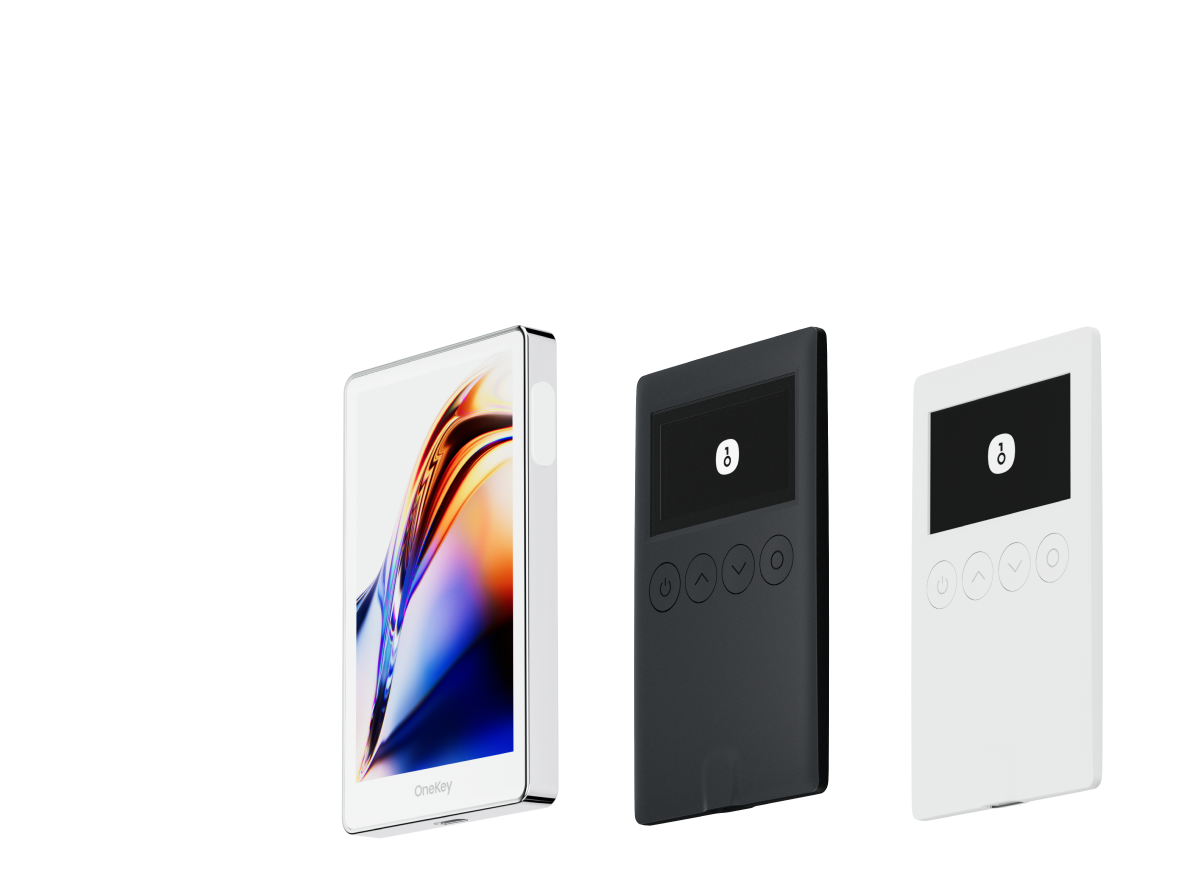
OneKey provides an open‑source, security‑first hardware wallet suite with seamless Litecoin support, native SegWit addresses, and a clean signing experience through the OneKey desktop and mobile apps. If you use Litecoin for payments or cold storage, a OneKey device helps reduce operational risk while keeping day‑to‑day transactions simple.
Final Thoughts
Litecoin’s staying power comes from a conservative, Bitcoin‑compatible design paired with faster settlement and consistently low fees. It’s not trying to be a smart‑contract powerhouse; it’s focused on being reliable digital cash. With optional MWEB privacy, merged‑mining‑bolstered security incentives, and a transparent issuance schedule, Litecoin remains a credible choice for payments, exchange settlement, and long‑term holding.
As always, do your own research, verify wallet and exchange support for the features you need, and consider hardware‑backed self‑custody for meaningful balances.
Further reading:
- Project overview: Litecoin (official site)
- Network data and fees: Litecoin stats
- Upgrade history: SegWit activation report
- MWEB release notes: Litecoin Core v0.21.2.2
- Regulatory context: CFTC press release 8680‑23