KIN Deep Dive: Token Future, Development, and Price Trends

Once a promising project from a mainstream tech company, the KIN token has navigated a tumultuous path marked by regulatory battles, technical migrations, and strategic pivots. Originally designed to be the "cryptocurrency for consumer apps," KIN has fought to maintain its relevance in an ever-evolving digital asset landscape.
This deep dive explores the technical underpinnings, market performance, and future trajectory of the KIN token. We'll analyze its journey, its current state on the Solana blockchain, and the factors that could shape its price in the coming years.
The Journey of KIN: From Kik to an Independent Ecosystem
To understand where KIN is going, it's crucial to understand where it has been. KIN's story is one of resilience and adaptation.
Origins and Regulatory Hurdles
KIN was launched in 2017 by the popular messaging app Kik, which raised nearly $100 million in an Initial Coin Offering (ICO). The vision was to create a decentralized ecosystem of apps and services where users could earn and spend KIN, fostering a new digital economy.
However, this ambitious start quickly ran into a major obstacle: the U.S. Securities and Exchange Commission (SEC). The SEC filed a lawsuit against Kik, alleging that the KIN ICO was an unregistered securities sale. The lengthy legal battle concluded with a settlement in 2020, which included a $5 million penalty and required Kik to provide regular reports to the SEC. This event cast a long shadow over the project's early development.
A Multi-Chain Migration
KIN's technical journey has been as eventful as its regulatory one.
- Ethereum: KIN began as an ERC-20 token on the Ethereum network. However, high gas fees and slow transaction speeds made it unsuitable for the intended high-volume, low-value micropayments.
- A Custom Fork: The project then migrated to its own blockchain, a fork of Stellar, to achieve faster and cheaper transactions.
- Solana: In 2020, the Kin Foundation made its most significant technical move, migrating the entire ecosystem to the Solana blockchain. The decision was driven by Solana's high throughput (thousands of transactions per second) and extremely low fees, which aligned perfectly with KIN's original micropayment vision. KIN is now a Solana Program Library (SPL) token.
Technical Analysis: Life After the Rewards Engine
For years, the core of KIN's ecosystem was the Kin Rewards Engine (KRE). The KRE was a unique mechanism that distributed daily KIN rewards to developers based on their app's usage and economic activity. It was a powerful incentive that attracted dozens of apps to integrate KIN.
However, in a major strategic shift, the Kin Foundation announced the sunsetting of the KRE in late 2022. The decision marked a transition towards a more decentralized and community-driven future, moving away from a centralized incentive model.
The new focus is on fostering organic growth through compelling use cases. The primary example of this new strategy is the Code wallet. Developed by a team of former Kik employees, Code is a self-custodial wallet designed to make micropayments seamless and instant. Its "Get Paid for the Internet" philosophy aims to create a circular economy where users can easily tip, pay, and get paid for content and interactions online. The success of Code is now intrinsically linked to the future of KIN.
Market Performance and Current Standing
KIN's market performance reflects its turbulent history. According to data from CoinMarketCap, the token reached its all-time high during the 2017-2018 bull market but has since traded at a fraction of that value.
Key market characteristics include:
- High Supply: KIN has a total supply of 10 trillion tokens. This massive supply means the price per token is inherently low, making it accessible for micropayments but also requiring significant market cap growth for substantial price appreciation.
- Speculative Nature: Due to its low unit price and volatile history, KIN is often viewed as a high-risk, speculative asset. Its price is sensitive to overall market sentiment, news about its ecosystem, and developments on the Solana network.
- Liquidity: KIN is available on several centralized and decentralized exchanges, providing reasonable liquidity for traders.
KIN Price Prediction: A Look Ahead
Predicting the future price of any cryptocurrency is challenging, and KIN is no exception. Instead of giving specific targets, it's more useful to analyze the bullish and bearish factors that will likely influence its value.
The Bullish Case
- Success of Code: If the Code wallet gains significant user adoption and proves its utility for web-based micropayments, it could create substantial, organic demand for KIN.
- Solana Ecosystem Growth: As a token on Solana, KIN benefits from the growth and network effects of one of the industry's leading smart contract platforms.
- Community-Driven Innovation: The shift to a decentralized model could empower the community to build new and unexpected applications for KIN, driving new waves of adoption.
- Low Entry Point: The very low price per token can be attractive to retail investors looking for assets with the potential for exponential growth, even if it's highly speculative.
The Bearish Case
- Intense Competition: The payments space is incredibly crowded. KIN competes not only with other cryptocurrencies but also with traditional fintech solutions and Layer-2 scaling solutions on Ethereum.
- Post-KRE Apathy: Without the KRE to incentivize developers, the KIN ecosystem may struggle to attract and retain the builders needed to create a vibrant network of applications.
- Market Sentiment: As a small-cap altcoin, KIN is highly susceptible to broader market downturns. A prolonged bear market could suppress its price and hinder development.
- Reputation Recovery: The project is still working to overcome the reputational damage from its early regulatory struggles.
Securing Your KIN and Other Digital Assets
KIN's journey as an SPL token on Solana highlights a key challenge for modern crypto investors: managing assets across multiple blockchains. Whether you are holding KIN, exploring DeFi on Ethereum, or collecting NFTs on Polygon, keeping your portfolio secure and organized is paramount.
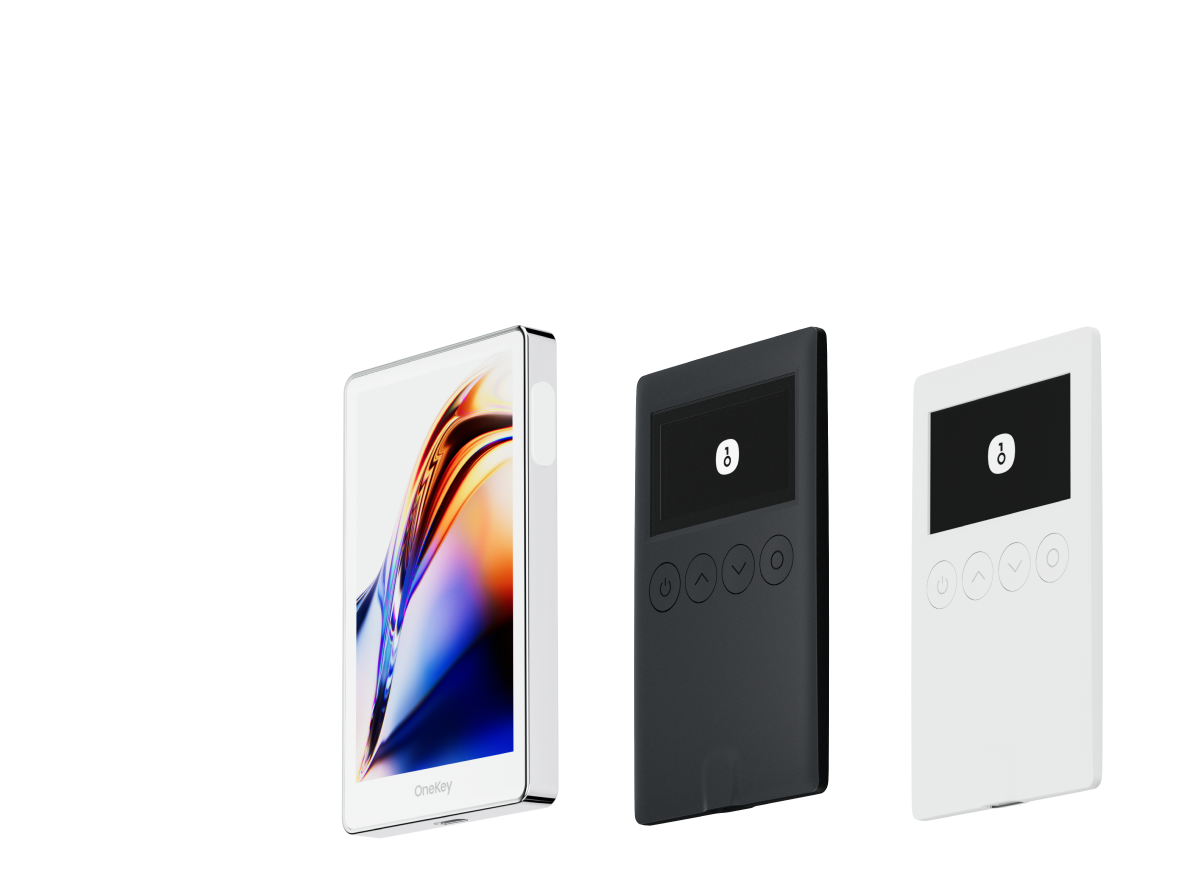
This is where a robust hardware wallet like the OneKey becomes essential. By providing support for a vast array of blockchains, including Solana, OneKey allows you to manage all your diverse assets from a single secure interface. With a hardware wallet, your private keys remain offline, protected from the online threats that target software wallets. For a speculative holding like KIN, ensuring it is securely stored offline in a wallet you control provides crucial peace of mind.
In conclusion, KIN is a project that has refused to fade away. It has demonstrated remarkable resilience by navigating regulatory storms and executing complex technical migrations. Its future is no longer tied to a centralized rewards system but to the organic growth of community-driven applications like the Code wallet. While it remains a high-risk investment, its story is a compelling case study in persistence within the cryptocurrency industry.