Hyperliquid Wallet Guide: Software vs Hardware (2026 Comparison)
Why Hyperliquid Wallet Choices Matter in 2026
Hyperliquid has evolved from a fast, self-custodial trading venue into a broader onchain ecosystem that now spans HyperCore (spot + perpetuals + native features) and HyperEVM (EVM execution environment). With more assets, more dApps, and more signing prompts, your “wallet setup” is no longer just a convenience decision — it’s part of your risk management.
Meanwhile, wallet-related attacks continue to scale. Chainalysis estimates up to $17B was stolen via crypto scams and fraud in 2025, with impersonation and AI-enabled tactics accelerating. That trend makes “where your private keys live” and “what you sign” more important than ever. See: Chainalysis 2026 Crypto Crime Report (Scams).
This guide compares software wallets vs hardware wallets specifically for Hyperliquid users in 2026, and proposes a practical setup that balances trading speed with long-term safety.
What “a Hyperliquid Wallet” Actually Means
Hyperliquid supports multiple onboarding paths
Hyperliquid lets you trade by connecting a standard EVM wallet or by logging in with email (which creates a wallet address for you). Hyperliquid documents both flows in its onboarding guide: How to start trading.
If you use email login, you should understand that you can later export the private key (useful for self-custody recovery, but also a security responsibility): Export your email wallet.
HyperCore bridge mechanics (USDC on Arbitrum is the default path)
For most users, the “core” funding flow is still:
- Hold USDC on Arbitrum
- Deposit to Hyperliquid via the native bridge
- Trade without per-trade gas costs
- Withdraw back to Arbitrum when needed
Hyperliquid’s docs stress that only USDC deposits from Arbitrum are supported (do not send random tokens and hope they show up): Deposited via Arbitrum network (USDC). The bridge also has a minimum deposit (5 USDC) as described in the bridge documentation: Bridge2 (deposit minimum).
Withdrawals typically charge a 1 USDC fee (paid on Hyperliquid) and do not require users to hold Arbitrum ETH for the withdrawal action, per the bridge documentation: HyperCore bridge overview.
HyperEVM changes the wallet discussion (Chain ID 999)
In 2026, many users interact with Hyperliquid not only through HyperCore trading, but also through HyperEVM, where you’ll sign EVM transactions and pay gas in HYPE.
Hyperliquid’s official guide includes network parameters and explains how assets move between HyperCore and HyperEVM: How to use the HyperEVM.
HyperEVM Network (from Hyperliquid docs)
Chain ID: 999
Network Name: Hyperliquid
RPC URL: https://rpc.hyperliquid.xyz/evm
Currency Symbol: HYPE
Because HyperEVM introduces more contract interactions (approvals, swaps, new dApps), it increases the value of strong signing hygiene — which is exactly where hardware wallets can help.
Software Wallets for Hyperliquid (Hot Wallets)
What a software wallet is best at
A software wallet (browser extension or mobile wallet) is typically best for:
- Fast trading workflows (frequent signing, quick order management)
- Active participation in new HyperEVM apps
- Smaller “operational balances” you’re willing to expose to day-to-day risk
In practice, many traders use a software wallet as a “hot” interface to keep execution friction low.
The main risks in 2026: phishing, fake UI, and malicious signatures
The 2025–2026 security story is not only about smart contract bugs — it’s about users being tricked into signing.
- CertiK’s 2025 annual report highlights phishing and supply chain incidents as major threats. See: Hack3d: The Web3 Security Report 2025 (CertiK).
- Scam Sniffer’s 2025 review shows wallet-drainer phishing remains active and evolves with new signature patterns. See: Scam Sniffer 2025 Report.
- Broader scam industrialization (AI, impersonation, “phishing-as-a-service”) is covered in: Chainalysis 2026 Crypto Crime Report (Scams).
For Hyperliquid users, this matters because deposits, approvals, transfers, and HyperEVM interactions can all involve signatures that attackers want you to authorize.
Practical software-wallet hygiene for Hyperliquid users
- Use a dedicated trading address (don’t mix with long-term holdings).
- Treat every signature as a spend decision, especially token approvals and permit-style signatures.
- Bookmark official domains and avoid signing from links in DMs, reply threads, or ads.
- Start with small test transactions when bridging or using a new HyperEVM dApp.
Hardware Wallets for Hyperliquid (Cold Wallets)
Why hardware wallets are different
A hardware wallet keeps the private key offline and signs transactions on a separate device. This reduces exposure to:
- Malware stealing keys from your browser profile
- Clipboard hijacking / credential theft leading to key compromise
- Many “silent” compromises where a hot wallet gets drained without warning
For higher balances, hardware wallets are the default best practice because they change the attacker’s job from “steal a file” to “trick the human and the device display.”
Trade-offs you should expect
Hardware wallets add friction:
- More steps for confirmations (especially during active trading)
- Slower “signing loops” when you’re doing many actions back-to-back
- Still requires you to verify what you’re signing (hardware reduces key theft risk, but cannot eliminate social engineering)
Hyperliquid-specific nuance: agent wallets (API wallets)
Even if you use a hardware wallet as your master account, Hyperliquid’s delegated signing model can introduce an additional layer to understand: agent wallets (also called API wallets).
Hyperliquid documents that a master account can authorize agent wallets to sign actions on its behalf, primarily for high-frequency usage and bots: Nonces and API wallets.
Key implications for security architecture:
- An agent key compromise may allow an attacker to trade (depending on permissions / scope) even if they cannot withdraw.
- If you automate, treat agent keys like production secrets: rotate, isolate, and don’t reuse addresses once deregistered (Hyperliquid warns about nonce state pruning and replay risk after pruning): Nonces and API wallets (pruning note).
A Recommended Setup in 2026: Two-Wallet Architecture (Speed + Safety)
For most Hyperliquid users, the most resilient approach is not “software vs hardware” — it’s software + hardware, each used for its strengths.
1) Cold wallet (hardware) = storage + withdrawal destination
Use a hardware wallet address as:
- Your long-term vault
- The default withdrawal destination from Hyperliquid
- The wallet you do not connect to random dApps
This is the wallet you want protected against the growing scam landscape described by Chainalysis: Record $17B estimated stolen in scams in 2025.
2) Hot wallet (software) = trading + experimentation
Use a separate software wallet as:
- Your daily Hyperliquid trading wallet
- Your HyperEVM experimentation wallet (new apps, new contracts)
- Your “risk-budgeted” wallet (only keep what you need)
3) Funding flow (simple and repeatable)
- Bridge only what you need for trading.
- Periodically withdraw profits back to your cold wallet.
If you’re unsure about bridge rules (USDC on Arbitrum, minimums, fees), verify with Hyperliquid’s docs before moving size:
- How to start trading (USDC on Arbitrum + withdrawal fee)
- Deposited via Arbitrum network (USDC)
- HyperCore bridge design
Quick Decision Matrix (2026)
-
Choose a software wallet if you:
- Trade frequently and need speed
- Keep balances limited and rotate funds regularly
- Are confident managing phishing risk and signature review
-
Choose a hardware wallet if you:
- Hold meaningful size and want keys offline
- Prefer safer withdrawals and long-term storage
- Want stronger protection against device/browser compromise
-
Choose both if you:
- Want a realistic balance between execution efficiency and custody safety (recommended for most active users)
Where OneKey Fits (and why it’s relevant to Hyperliquid users)
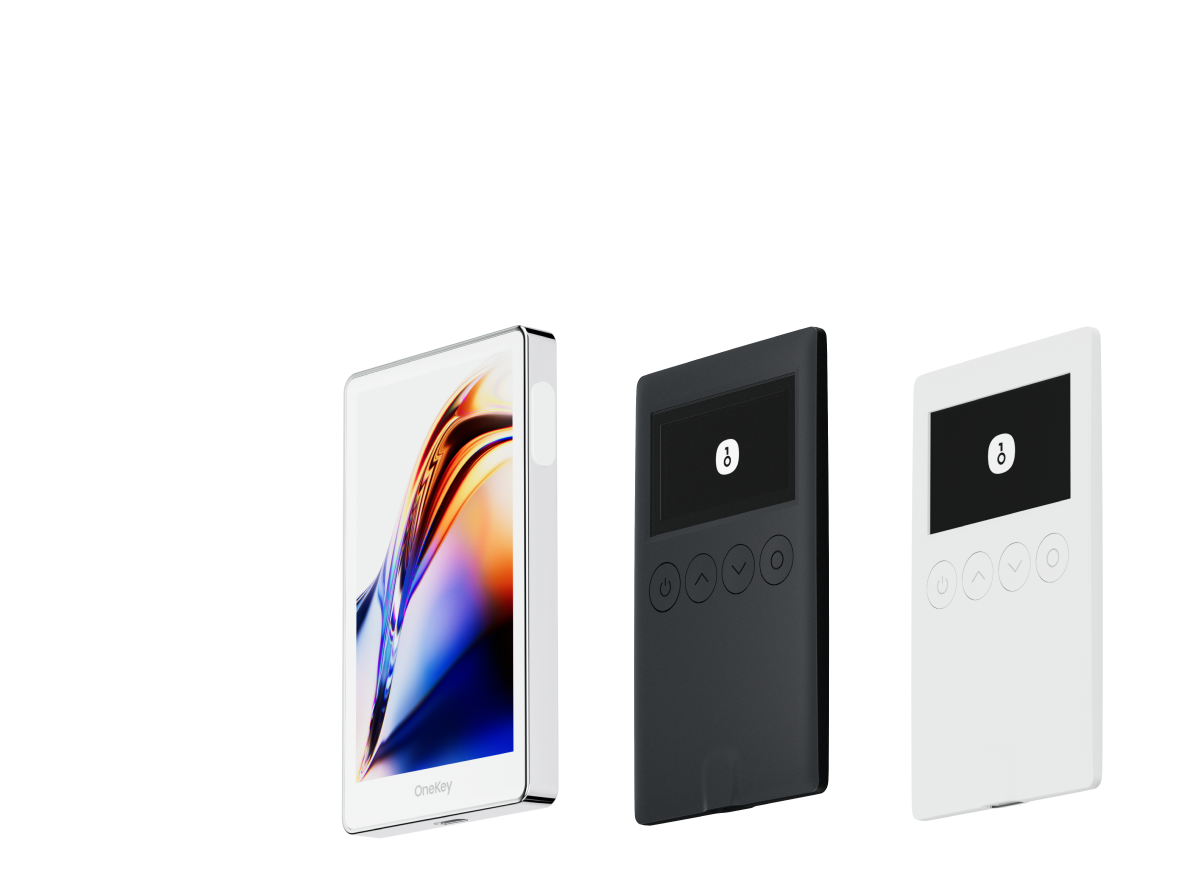
If you’re implementing the two-wallet setup, a hardware wallet becomes the anchor of your “storage wallet” tier. OneKey is designed for self-custody and supports an open development approach — for example, OneKey’s firmware is open-source on GitHub: OneKeyHQ firmware repository.
In a Hyperliquid context, the practical value is simple: keep your long-term funds and withdrawal destinations protected by offline signing, while your software wallet remains a deliberately limited “trading account.”