Hyperliquid vs Other DEX: Complete Wallet Compatibility Guide
Why Wallet Compatibility Matters (More Than UI Convenience)
Different DEX architectures require different signing flows:
- AMM swaps (EVM) usually require onchain transactions for approvals and swaps.
- Perpetual DEXs may use a mix of deposits + offchain order submission + onchain settlement, often involving typed-data signatures.
- Aggregators route trades across multiple venues, increasing the number of approvals and allowances you may grant.
- Non-EVM ecosystems (e.g., Solana) use completely different wallet adapters and transaction formats.
Understanding these differences helps you avoid common issues: wrong network, failed signatures, missing assets, or accidentally granting risky allowances.
Hyperliquid Wallet Model: What’s Unique and What It Supports
Hyperliquid is often discussed as a high-performance onchain order book venue, but from a wallet perspective it’s best understood as two connected environments:
- HyperCore trading account (where many users deposit collateral and trade without paying gas per trade)
- HyperEVM (an EVM execution layer you can add to an EVM wallet like any other chain)
HyperCore: Deposit/Withdraw Flow (And Why It Feels “Different”)
Most users start by connecting an EVM wallet and depositing USDC via the native bridge. Hyperliquid’s onboarding guide explicitly notes that bridging is between Hyperliquid and Arbitrum, and that trading itself does not cost gas on the platform side. See: How to start trading (deposit and withdraw overview).
If you want protocol-level detail (useful for developers and power users), the bridge contract and deposit minimum are documented here: Bridge2 API (deposit minimum and flow).
Practical implication: your wallet is used for deposit/withdraw and signing, while the day-to-day trading experience is closer to a “trading account” model.
HyperEVM: EVM Wallet Compatibility (Chain ID, RPC, Gas Token)
HyperEVM is an EVM environment secured by Hyperliquid’s consensus and accessed via JSON-RPC. Hyperliquid’s developer docs list the mainnet Chain ID as 999 and provide the RPC endpoint. Reference: HyperEVM (official developer documentation).
For user-facing setup (adding the network in a wallet extension), Hyperliquid also provides step-by-step parameters (Chain ID, RPC URL, currency symbol). Reference: How to use the HyperEVM (user guide).
Practical implication: if your wallet supports custom EVM networks, you can interact with HyperEVM like other EVM chains—just ensure you add the correct network details and fund gas in HYPE (as documented in the HyperEVM docs above).
“When Did This Become Available?” (Context for Builders and Power Users)
If you’re comparing ecosystem maturity, it helps to anchor timelines. Hyperliquid’s community roadmap lists HyperEVM mainnet launch as February 18, 2025. See: Hyperliquid roadmap (HyperEVM milestones).
A Compatibility Comparison: Hyperliquid vs Other DEX Designs
Below is a practical comparison of wallet requirements across common DEX categories.
Quick Table: Wallet Standards You’ll Encounter
“Other DEX” Wallet Compatibility Examples (What to Expect)
EVM AMMs (Example: Uniswap Web App)
Uniswap’s support documentation explains you can connect via a listed wallet, or use WalletConnect if your wallet is not shown. Reference: How to connect a wallet to the Uniswap web app.
What this means for users: AMMs generally assume your wallet is the execution layer—you’ll pay gas for approvals and swaps, and your assets remain in the wallet unless you deposit into another contract.
EVM Perps with Multi-Chain Access (Example: GMX)
GMX’s docs describe two modes: Direct Wallet Trading on supported chains and an account-like option (“GMX Account”) with deposits bridged to a settlement chain. Reference: GMX Trading docs (Direct Wallet Trading vs GMX Account).
What this means for users: perps DEXs can look similar on the surface, but the wallet experience differs depending on whether trades execute directly from your wallet or from an internal/account balance.
Aggregators (Example: 1inch)
1inch’s help center shows WalletConnect as a standard way to connect wallets to dApps, especially across devices. Reference: How to use WalletConnect with the 1inch Wallet.
What this means for users: aggregators can be extremely convenient, but you should be more deliberate with approvals because routing may involve multiple contracts.
Solana Aggregators (Example: Jupiter)
Solana dApps commonly rely on wallet adapters rather than EVM-style injected providers. Jupiter’s support article describes connecting its extension wallet to dApps via the wallet list and approving the request. Reference: How can I connect the Jupiter Wallet Extension to dApps?.
What this means for users: Solana wallets and transaction flows are not interchangeable with EVM wallets—your setup must match the chain.
WalletConnect in 2026: Why It’s Still Central to DEX Compatibility
WalletConnect remains a key interoperability layer across wallets and apps, especially for mobile-first usage and QR-based connections. For a protocol-level overview (including its chain-agnostic scope and encrypted connections), see: WalletConnect Network overview (official docs).
User takeaway: if your wallet supports WalletConnect well, you’ll usually have fewer “my wallet isn’t listed” issues across dApps.
A User Checklist: Picking the Right Wallet Setup for Hyperliquid and Other DEXs
Before you connect anywhere
- Verify the domain and bookmark the correct URL (phishing remains a top loss vector).
- Decide whether you need EVM-only, Solana-only, or multi-chain coverage.
- Prefer wallets that clearly display:
- the chain/network you’re signing on
- the typed message / contract you’re interacting with
- the token approval amount (especially “unlimited approvals”)
If you’re using HyperEVM
- Add the network parameters from the official guide: How to use the HyperEVM.
- Confirm Chain ID is 999 and RPC matches the official docs: HyperEVM (developer documentation).
If you’re using account-style perps DEXs
- Learn where your “trading balance” lives (wallet vs account).
- Expect more message signing and fewer onchain trade transactions.
Where OneKey Fits (When You Want Stronger Signing Security)
If you frequently switch between AMMs, perpetuals, and new chains like HyperEVM, the highest-risk moment is still the same: approving a connection or signature you didn’t fully understand.
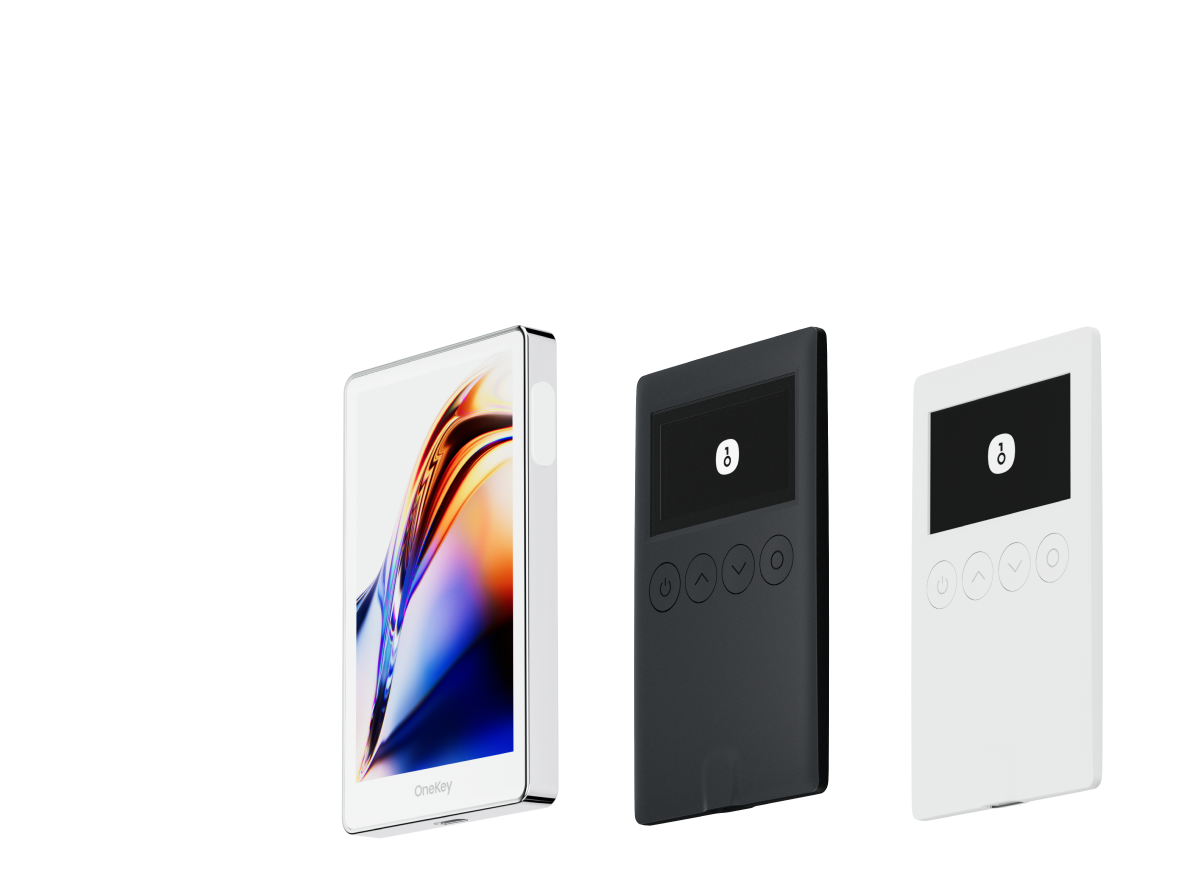
A hardware wallet like OneKey can help by keeping private keys offline while still supporting common dApp connection patterns (including EVM networks and WalletConnect flows, depending on your setup). For active traders who regularly sign approvals, typed messages, and withdrawals, using a dedicated signing device can be a practical way to reduce hot-wallet exposure—without changing how you use a decentralized exchange.