Hardware Wallet Setup Guide for Beginners Evading Custodial Tracking Without Hassle

Why Choose a Hardware Wallet for Self-Custody?
A hardware wallet stores your private keys offline, generating transactions on a secure chip immune to online threats. Unlike hot wallets or custodial platforms, it ensures you alone control your funds—no third-party tracking via KYC-linked addresses.
Key benefits include:
- Cold storage: Keys never touch the internet.
- Seed phrase recovery: 12-24 word backup restores access.
- Multi-signature support: Enhances security for larger holdings.
- Privacy focus: Randomizes change addresses to obscure transaction history.
With DeFi TVL surpassing $100 billion in 2024 per DefiLlama data, self-custody empowers users to interact with protocols without exposing funds to exchange vulnerabilities.
Selecting a Reliable Hardware Wallet
Look for devices with certified secure elements, open-source firmware, and broad cryptocurrency support (Bitcoin, Ethereum, ERC-20 tokens). User-friendly interfaces and mobile app integration simplify setup for beginners. Devices like those from trusted makers prioritize air-gapped signing and PIN protection.
Complete Step-by-Step Setup Instructions
Follow these steps to configure your hardware wallet securely from scratch. We'll use clear, beginner-friendly language.
Step 1: Unboxing and Initial Checks
- Open the package and verify contents: device, USB cable, recovery sheet, and manual.
- Inspect for tampering—seals should be intact.
- Charge the device via USB (avoid public chargers).
Power on by pressing the button; a welcome screen confirms it's factory reset.
Step 2: Download the Companion App
Install the official app on your phone or computer. For seamless integration, download the OneKey app from the verified source. This bridges your hardware wallet to blockchain networks.
Enable Bluetooth if using mobile, and grant necessary permissions.
Step 3: Initialize the Device
- Connect via USB or Bluetooth to the app.
- Select "Create New Wallet" (never enter an existing seed on a new device).
- Set a strong 6-8 digit PIN—test it twice.
- The device generates a unique 12/24-word seed phrase offline.
Critical: Write the seed on the provided metal or paper backup. Never store digitally or photograph it. Store in multiple secure locations (e.g., safe deposit box).
Step 4: Verify Seed Phrase
- The app prompts you to confirm words in random order—select correctly on the device screen.
- Success confirms the seed is backed up properly.
This air-gapped verification prevents supply-chain attacks.
Step 5: Install Firmware and Apps
- Update to the latest firmware via the app (check OneKey changelog for security patches).
- Install coin-specific apps (e.g., Bitcoin, Ethereum) from the app catalog—only official ones.
Step 6: Test Transactions
- Generate a receive address in the app—verify it matches the device screen.
- From an exchange, withdraw to OneKey using this address. Start with a small test amount (e.g., $10 equivalent).
- Confirm the transaction on the device: review details offline, then approve.
- Monitor blockchain explorers like Blockchair to verify arrival.
For sending: Always double-check addresses on-device to avoid phishing.
Security Best Practices Post-Setup
- Use passphrase: Add an optional 25th word for plausible deniability.
- Firmware vigilance: Update quarterly; recent 2024 patches fixed side-channel vulnerabilities per LedgerDonjon research analogs.
- Avoid public Wi-Fi: App interactions only on trusted networks.
- Multi-device strategy: Split assets across wallets.
- Revoke permissions: Disconnect from dApps after use.
Combine with Tor for IP privacy during blockchain interactions.
Industry Trends Impacting Hardware Wallets
Privacy regulations like the U.S. FIT21 Act and global stablecoin crackdowns highlight self-custody's rise. Quantum-resistant upgrades are emerging, with NIST standards pushing post-quantum cryptography integration. Beginners evading tracking benefit from wallets supporting coinjoin protocols like Wasabi Wallet's tech, adaptable to hardware.
Secure Your Crypto Journey with OneKey
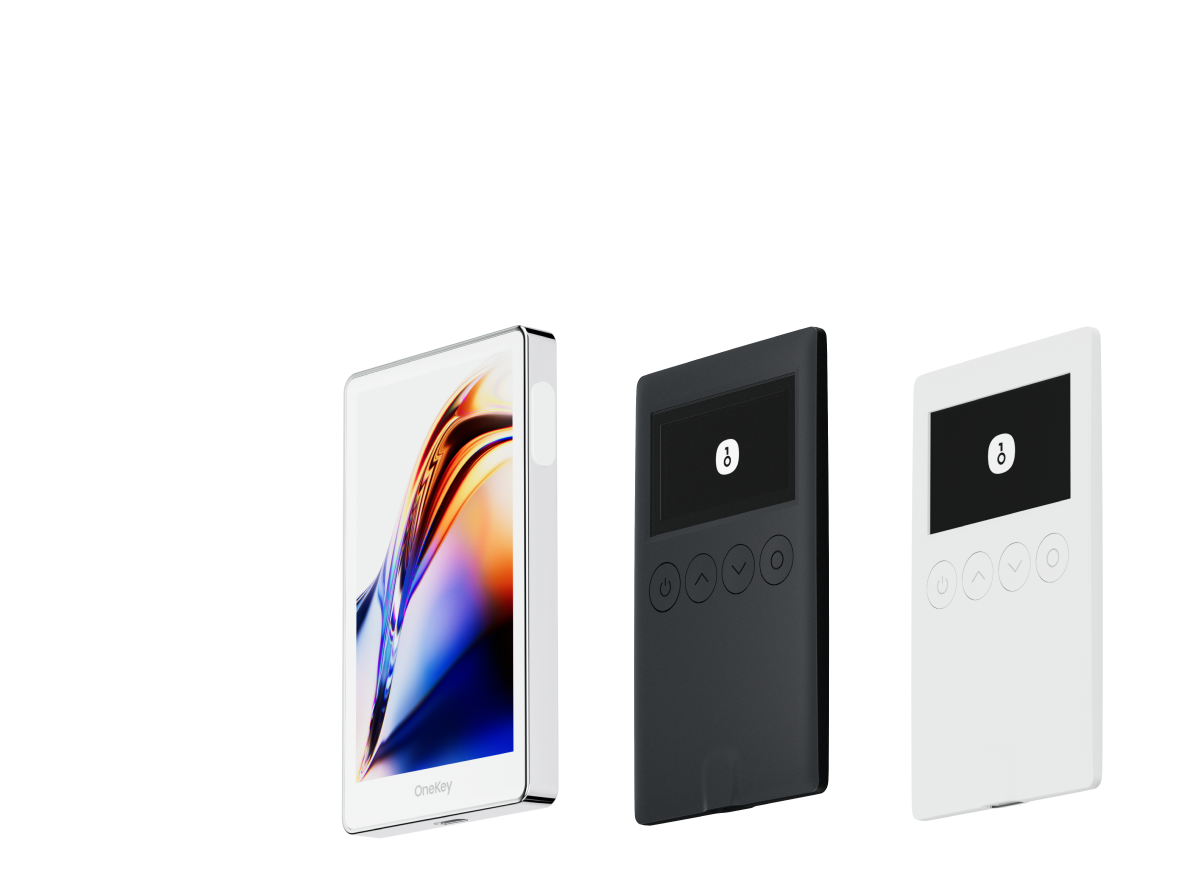
For a beginner-friendly experience evading custodial tracking, OneKey stands out with its intuitive touchscreen, Shamir Backup for seed splitting, and seamless multi-chain support. Download the OneKey app today and follow this guide to take full control of your blockchain assets without hassle. Self-custody isn't just secure—it's your key to financial sovereignty.