GIGGLE Token Guide: The Happiest Meme Coin on the Internet


Key Takeaways
• Meme coins thrive on narrative and community energy rather than traditional fundamentals.
• The 2025 landscape for meme coins emphasizes high throughput and low fees for trading.
• Always verify token contracts and liquidity before making a purchase.
• Self-custody with hardware wallets is crucial for securing your assets.
• Avoid common traps like honeypots and fake liquidity through diligent research.
Meme coins have evolved from inside jokes into high–velocity micro–communities that move capital, culture, and attention across chains. This guide introduces GIGGLE Token as a model for understanding how meme coins work in 2025: how they’re issued, traded, and secured, and what smart practices can help you navigate the hype responsibly.
What makes a meme coin like GIGGLE tick?
- Narrative-first: Meme coins succeed on story, humor, and community energy more than on traditional fundamentals. If GIGGLE’s premise makes you smile and others share that feeling, the memetic loop can become real liquidity. For background on meme coin dynamics, see CoinGecko’s overview of what meme coins are and why they matter.
- Lightweight token mechanics: Most meme coins use common token standards and simple distribution models. On Ethereum, the ERC‑20 standard defines how fungible tokens behave, including transfers, approvals, and events. Reference: ERC‑20 documentation.
- Open, permissionless markets: Liquidity usually starts on decentralized exchanges (DEXs) via community–seeded pools and quickly spreads across chains with fast throughput and low fees (e.g., Solana) or convenient L2s (e.g., Base). For chain fundamentals, see Solana’s technology overview and L2Beat’s profile of Base L2.
The 2025 meme coin backdrop
- Throughput matters: Retail trading flows have increasingly gravitated to high–performance chains for sub‑second finality and low fees, making rapid cycles of minting, listing, and community bootstrapping possible. Solana’s architecture and parallelization are a major driver; review the core design in the Solana docs.
- Retail UX is improving: DEX routers, intent-based execution, and MEV research are gradually reducing slippage and failed transactions. For the MEV context and risks, see the Flashbots documentation.
- Risk remains elevated: Rug pulls, honeypots, and fake liquidity are still prevalent. Chainalysis maintains up‑to‑date resources on crypto crime trends and patterns relevant to retail traders: Crypto Crime hub.
In short, 2025 has made it easier than ever to issue and trade meme coins—while also raising the bar for risk management and verification.
Token standards, contracts, and what to check before you buy
Whether GIGGLE lives on Ethereum, Solana, or an L2, you can apply a consistent checklist:
- Verify the contract:
- On Ethereum and L2s, check if the contract source is verified and corresponds to a standard implementation (e.g., OpenZeppelin ERC‑20). Unverified or heavily modified code warrants extra caution.
- Look for privileged functions: Can the owner mint more tokens, pause transfers, blacklist addresses, or change fees? These capabilities should be transparent in the code and clearly communicated.
- If the token supports permit (gasless approvals), confirm safe implementation details via EIP‑2612.
- Inspect liquidity:
- Check the size of the initial DEX pool, whether liquidity is locked or burned, and how much is controlled by a single wallet. Use block explorers and DEX analytics. For EVM, the Etherscan docs explain how to navigate token pages and contract methods.
- Understand tokenomics:
- Supply: Fixed, capped, or mintable?
- Distribution: Fair launch vs. team allocation vs. presale.
- Fees: “Tax” tokens may include buy/sell fees forwarded to a treasury or LP—know what you’re paying on each trade.
If any of these checks aren’t clear, pause. Meme coins move fast, but due diligence still matters.
How to acquire GIGGLE safely (DEX–first workflow)
- Find the canonical contract address from official channels (website, verified social, reputable aggregators). Avoid ticker‑symbol searches alone.
- Use a trusted DEX:
- For EVM chains, Uniswap is a common starting point; review Uniswap docs for pool mechanics and slippage settings.
- Set sensible parameters:
- Slippage: Keep it low unless liquidity is thin; consider splitting orders.
- Price impact: Beware of thin pools where your order moves the market.
- Beware of MEV and copy‑trading:
- Fast markets increase the chance of sandwich attacks and failed transactions. Use private RPCs or specialized order flow tools when possible. Background: Flashbots.
- Consider CEX exposure carefully:
- Centralized venues may list popular meme coins but listings are not endorsements. If you use an exchange, research its transparency and market quality. CryptoCompare’s Exchange Benchmark provides a comparative view of risk and performance.
Securing GIGGLE: why self‑custody still wins
If you trade or hold GIGGLE, secure the private keys to your wallet. Software wallets are convenient, but for assets you plan to hold—or for higher‑value trading—hardware wallets reduce malware and phishing exposure by isolating keys.
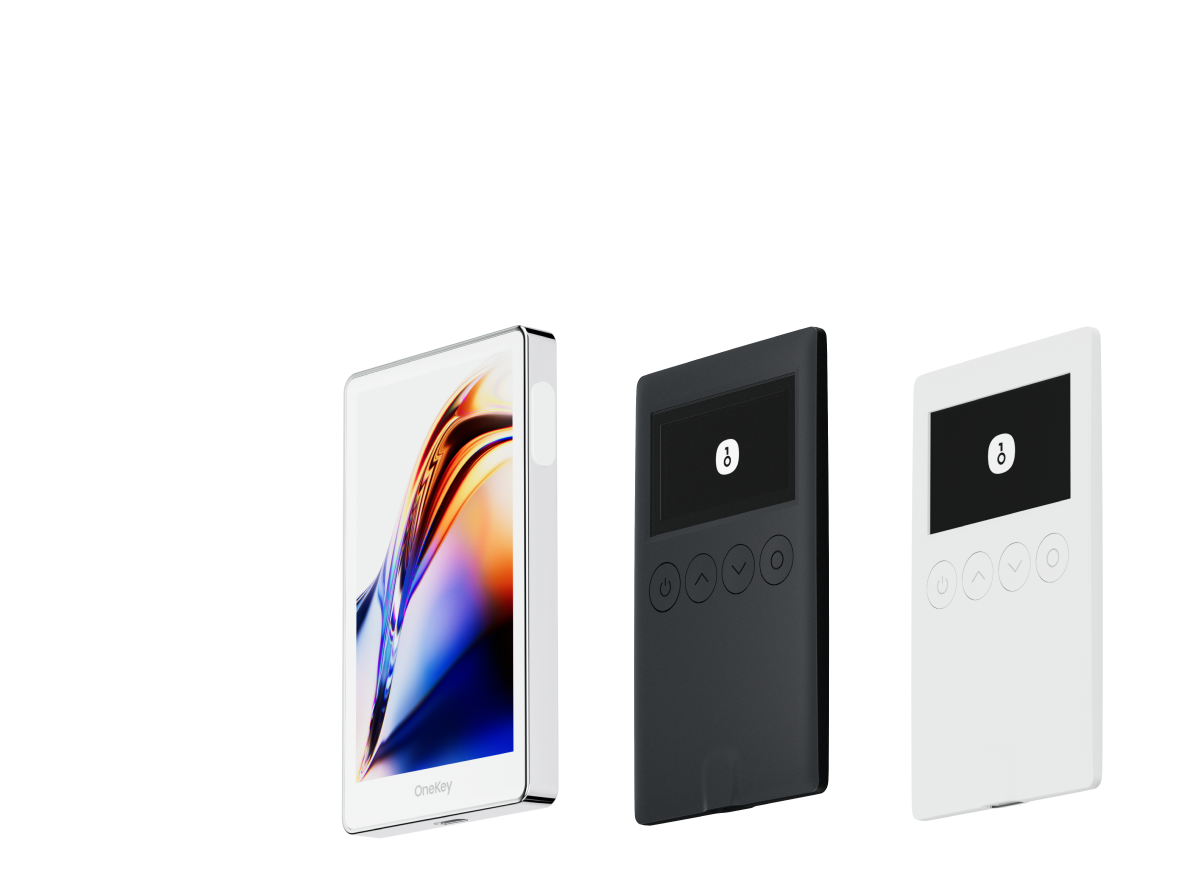
OneKey is a good fit for meme coin traders and long‑term holders because:
- It’s open‑source, giving the community visibility into firmware and wallet logic.
- It supports multi‑chain assets (EVM, Solana, and more), which is crucial as meme coins proliferate across different ecosystems.
- It uses a secure element and verified signing flows to protect approvals and swaps, a critical safeguard when interacting with new contracts and DEX routers.
Practically:
- Generate a fresh address for new meme coin positions.
- Review every on‑chain approval; revoke unused allowances periodically using trusted tools or explorers.
- Keep your seed phrase offline, segmented, and never stored in plaintext.
Common traps in meme coin trading and how to avoid them
- Honeypots: Contracts that allow buys but not sells. Test small amounts first and examine code paths that could block transfers. Community tools exist to flag risky patterns; use multiple sources to verify.
- Fake liquidity and wash trading: A pool might look large, but if most LP tokens are controlled by one wallet, exits can be engineered. Check LP distribution and recent movements on explorers like Etherscan and Solscan.
- Social engineering: Impersonated accounts and airdrops that request approvals. Always cross‑verify announcements with official websites and reputable data sources. For general investor protection in crypto markets, the U.S. SEC maintains a primer on crypto asset risks.
Building a sustainable GIGGLE community
Meme coin longevity often comes down to clear communication, transparent treasury use, and simple, fun utility (e.g., contests, tip bots, community art). If GIGGLE aims to be the “happiest meme coin,” focus on:
- Transparent token distribution and immutable parameters wherever possible.
- Community treasury governance (even minimal).
- Lightweight, chain‑native perks that reinforce the meme without overpromising.
For an accessible educational baseline, see Binance Academy’s guide on what meme coins are and how they work.
Final thoughts
Meme coins like GIGGLE live at the intersection of culture and code. The 2025 environment has made it easier to launch and trade them across high‑throughput chains and L2s, but it’s also amplified execution and security risks. Always verify contracts, understand liquidity, and protect your keys.
If you plan to hold or actively trade GIGGLE, consider using a hardware wallet like OneKey to add a physical layer of protection to your on‑chain activity. In fast, hype‑driven markets, secure signing and multi‑chain support can be the difference between a happy laugh and an expensive lesson.