DRB Token: What’s the DRB Token All About? A Quick Explainer

Key Takeaways
• Always verify the official DRB contract address from multiple sources before transacting.
• Review the tokenomics, including supply, distribution, and unlock schedules, to understand the token's value proposition.
• Consider using a hardware wallet for secure self-custody of DRB tokens to mitigate counterparty risks.
New tickers appear daily across chains, and “DRB” is one you may have seen on crypto Twitter, DEX listings, or community chats. This quick explainer gives you a practical framework to understand what a DRB token could be, how to verify the real contract, what to check in the tokenomics and security model, and how to self-custody safely.
Note: Tickers are not unique. There can be multiple “DRB” tokens on different chains. Always confirm you’re dealing with the intended project before transacting.
What a “DRB” Token Might Represent
Depending on the project, a token using the DRB ticker could be one or more of the following:
- Utility token: Access to features, discounts, or staking in an app or protocol, typically implemented as ERC‑20 or a chain‑specific equivalent.
- Governance token: Voting on parameters, emissions, treasury usage, or upgrades. Be mindful of governance design; simple coin voting has known drawbacks, as discussed in Vitalik’s critique of coin voting governance.
- Reward or incentive token: Distributed to bootstrap supply- or demand‑side participation, liquidity, or referrals.
- Gas or chain token: If DRB is associated with an L1 or L2, it could pay transaction fees on that network.
- Meme or community token: Purely social or culture‑driven; typically high volatility.
Given the 2024–2025 trend toward account abstraction and smoother UX, some utility tokens may integrate permits and sponsorship features. For example, tokens might support EIP‑2612 permit for gasless approvals, or interact with ERC‑4337 account abstraction wallets in novel ways.
How to Verify the Real DRB Token (Step‑by‑Step)
Because clones and fakes proliferate, always triangulate the official contract address from multiple sources:
-
Start from official channels
- The project’s website, documentation, and announcement posts should publish the canonical token contract address. Cross‑check across channels.
-
Verify the address on a reputable explorer
- For Ethereum, use Etherscan. For Base, use Basescan. For BNB Smart Chain, use BscScan. For Solana SPL tokens, use Solscan.
- Ensure the address uses the correct EIP‑55 checksum (EVM chains) and that the contract is verified. See Etherscan’s explainer on what a verified contract means.
-
Check token lists and metadata
- Curated lists can reduce mistakes, but are not guarantees. Learn how lists work via the community standard at Token Lists.
-
Watch for proxies and upgradability
- Many tokens use proxy patterns. Review whether the token is upgradeable and who controls upgrades. Read more in OpenZeppelin’s guide to proxies and upgrades.
-
Confirm via multiple independent sources
- A listing on a major analytics site is helpful, but always cross‑verify. Use explorer comments, socials, and docs rather than relying on one screenshot.
Tokenomics: The Quick Checks That Matter
Before interacting with any DRB token, ask:
- Supply and emissions
- What is the max or capped supply? Is there inflation? Are there mint/burn functions in the contract?
- Distribution
- How much goes to the team, investors, ecosystem incentives, and the community? Are allocations subject to vesting and timelocks?
- Unlocks
- Large unlocks can introduce sell pressure. Use public dashboards like TokenUnlocks to see schedules where available.
- Liquidity and market structure
- Where is liquidity seeded? Is it locked or controlled by a multisig? What are top holder concentrations on the explorer?
- Utility and sink
- Why would users hold or spend the token? Is there a credible “sink” that aligns long‑term incentives?
For a deeper primer on doing your own research, see CoinGecko’s guide to DYOR best practices.
Smart-Contract And Governance Risks
A token’s risk is not only price volatility:
- Upgrades and admin powers
- If the token is upgradeable, who can change logic? Is there a timelock? Are changes signaled in advance?
- Security reviews
- Has the token or its surrounding protocol undergone independent audits? Reputable providers publish reports, e.g., see OpenZeppelin’s audit resources.
- Governance capture
- Are voting rights too concentrated? Are there safeguards beyond raw coin voting?
What Chain Is DRB On? Multichain Reality
A ticker like DRB can appear on multiple chains. Treat bridges and wrappers cautiously:
- Bridge risk
- Cross‑chain bridges remain high‑value targets. Chainalysis has covered the scale of bridge exploits. Prefer official bridges or canonical deployments referenced by the project’s documentation.
- Native vs. wrapped
- Verify whether you’re holding the native token or a wrapped version. Contract addresses and redemption paths should be clearly documented by the issuer.
Trading and On‑Chain Hygiene
- Beware look‑alikes
- Fake tokens often copy names and logos. Never paste addresses from random threads; always use the project’s official links.
- Simulate before you sign
- Use wallet tools that preview approvals and swaps, and minimize “infinite” approvals. Consider tokens supporting permit (EIP‑2612) to reduce risk exposure.
Self‑Custody: Storing DRB Securely With OneKey
If you choose to hold DRB long term, self‑custody helps you control private keys:
- Why OneKey
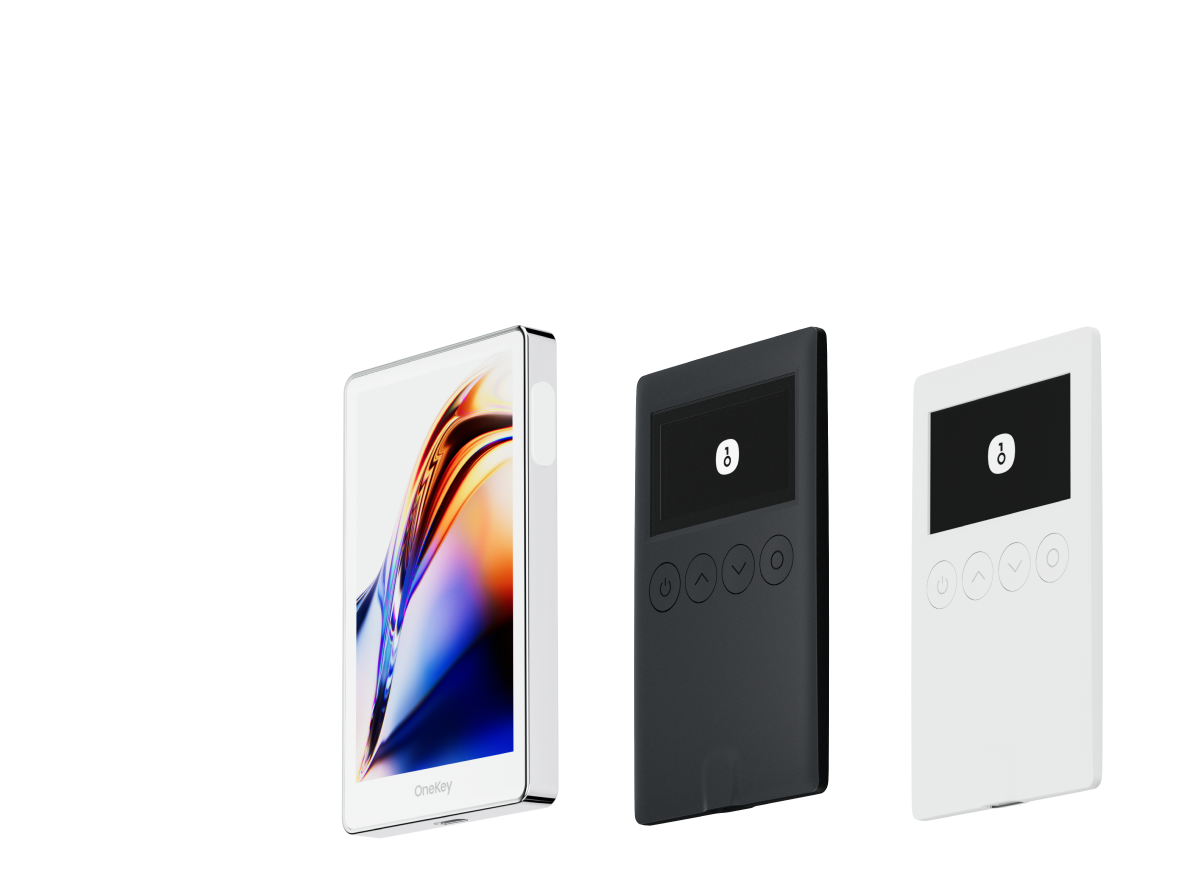
- OneKey hardware wallets are open‑source and support major EVM and non‑EVM chains. The OneKey App provides transaction simulation, granular approval management, and WalletConnect support for DEXs and DeFi apps—useful when interacting with newly issued tokens.
- Adding a custom token
- Operational hygiene
- Keep your firmware and app updated, verify addresses on the device screen, and store your recovery phrase offline. If experimenting with new tokens, consider a dedicated wallet segmented from your long‑term holdings.
A Quick DRB Checklist
- I confirmed the official DRB contract from the project’s website/docs and cross‑checked it on an explorer.
- The contract is verified, and I understand any proxy/upgradability and admin rights.
- I reviewed tokenomics, unlocks via a public source like TokenUnlocks, and holder concentration on the explorer.
- I know which chain I’m on, any bridge risks, and whether my DRB is native or wrapped.
- I used a wallet that simulates transactions and minimized token approvals.
- If holding, I stored DRB via a hardware wallet like OneKey and safeguarded my recovery phrase.
Bottom Line
“DRB” is a ticker, not a guarantee of authenticity or utility. With a clear verification workflow, a focused tokenomics review, and careful on‑chain hygiene, you can navigate new listings with more confidence. If you’re planning to hold DRB beyond short‑term trading, consider self‑custody with OneKey to reduce counterparty risk while retaining seamless access to EVM and emerging chains through the OneKey App.