Dogecoin (DOGE) Guide: The Meme Coin That Made History


Key Takeaways
• Dogecoin started as a meme but has become a widely recognized cryptocurrency with real-world applications.
• It features a unique inflationary model with a fixed block reward, promoting spending and tipping behavior.
• Dogecoin supports low-fee transactions and is popular for tipping and micropayments.
• Users should prioritize self-custody and security best practices when managing DOGE.
• The community continues to drive development and maintain Dogecoin's relevance in the evolving crypto landscape.
Dogecoin began as a light‑hearted internet joke in 2013—and then became one of crypto’s most recognizable assets. Backed by a passionate community, a simple technical design, and real-world payment experiments, DOGE has outlived countless market cycles and remains a fixture of crypto culture and infrastructure. This guide explains what Dogecoin is, how it works, why it matters in 2025, and how to store it safely.
What is Dogecoin?
Dogecoin is an open-source cryptocurrency that originated as a fork of Luckycoin (itself derived from Litecoin/Bitcoin), featuring the Shiba Inu “Doge” meme as its mascot. It uses a Bitcoin-like UTXO model and proof-of-work (PoW) mining based on the Scrypt algorithm. Blocks target 1-minute intervals and fees are typically low, which historically made DOGE popular for tipping and micropayments online. You can explore the project’s history and design on the official site and repository:
- Official website: dogecoin.com
- Core codebase: Dogecoin GitHub
- Background and history: Dogecoin on Wikipedia
Tokenomics: An Inflationary Design
Unlike Bitcoin’s capped supply, Dogecoin has a permanent issuance schedule. After moving away from early randomized rewards, Dogecoin adopted a fixed block reward (commonly cited as 10,000 DOGE per block), resulting in roughly 5 billion new DOGE per year at current network parameters. This creates a predictable, modest inflation rate that decreases as a percentage of total supply over time. See the monetary overview on Wikipedia’s Dogecoin page for details.
Key implications:
- Predictable issuance can encourage spending and tipping behavior.
- Over the long term, percentage inflation declines as circulating supply grows.
How Dogecoin Works (in Plain English)
- Consensus and mining: Dogecoin uses Scrypt-based PoW and supports auxiliary merged mining with Litecoin, allowing miners to secure both networks simultaneously without splitting hash power. Learn more about merged mining concepts on the Bitcoin Wiki.
- UTXO model: Transactions spend unspent outputs similar to Bitcoin, enabling straightforward verification and compatibility with Bitcoin-style tooling.
- Fees and throughput: With 1-minute blocks and typically low fees, Dogecoin has historically excelled at small, casual transactions. You can track network activity via the Blockchair Dogecoin explorer.
For developers and integrators, the RPC and node operations are similar to Bitcoin Core, with Dogecoin-specific parameters. See the docs and releases on the Dogecoin GitHub repository and releases page.
Real-World Payments and Adoption
Dogecoin’s biggest cultural impact has been tipping, donations, and experimental commerce:
- Tesla allows customers to purchase select merchandise using DOGE, detailed on the official Tesla Dogecoin support page.
- Payment processors such as BitPay support DOGE, enabling merchants to accept it online with settlement options, as outlined on BitPay’s Dogecoin page.
As of 2025, DOGE remains one of the largest and most liquid meme coins by market value, with robust trading across major venues. For an up-to-date market snapshot, check the CoinGecko Dogecoin page.
2025: What Users Care About Now
- Sustained relevance: Even through shifting market narratives, Dogecoin maintains active trading, broad name recognition, and ongoing infrastructure support from wallets, exchanges, and payment rails. See general ecosystem overviews such as Binance Academy’s “What Is Dogecoin?”.
- Fees and confirmation times: During volatile periods, on-chain activity can spike. Users should budget for a bit of fee headroom and wait for multiple confirmations for higher-value transfers.
- Community-led roadmap: Development continues through open-source contributions and backports of important security updates. For direction and community initiatives, see the Dogecoin Foundation website.
Buying, Storing, and Securing DOGE
How to get DOGE:
- Use reputable exchanges that operate in your jurisdiction and follow local compliance requirements.
- Consider on-chain withdrawals to self-custody after purchase.
Wallet choices:
- Hot wallets are convenient for small, frequent transfers, but they’re exposed to more online risk.
- Self-custody hardware wallets reduce attack surface by keeping private keys offline and offering secure signing.
Security best practices:
- Write down your recovery seed and store it offline in a safe place.
- Use a strong passphrase if supported and understand how it affects recovery.
- Verify receiving addresses, especially when using change addresses in UTXO wallets.
- Beware of phishing, fake “airdrop” offers, and SIM-swap attacks.
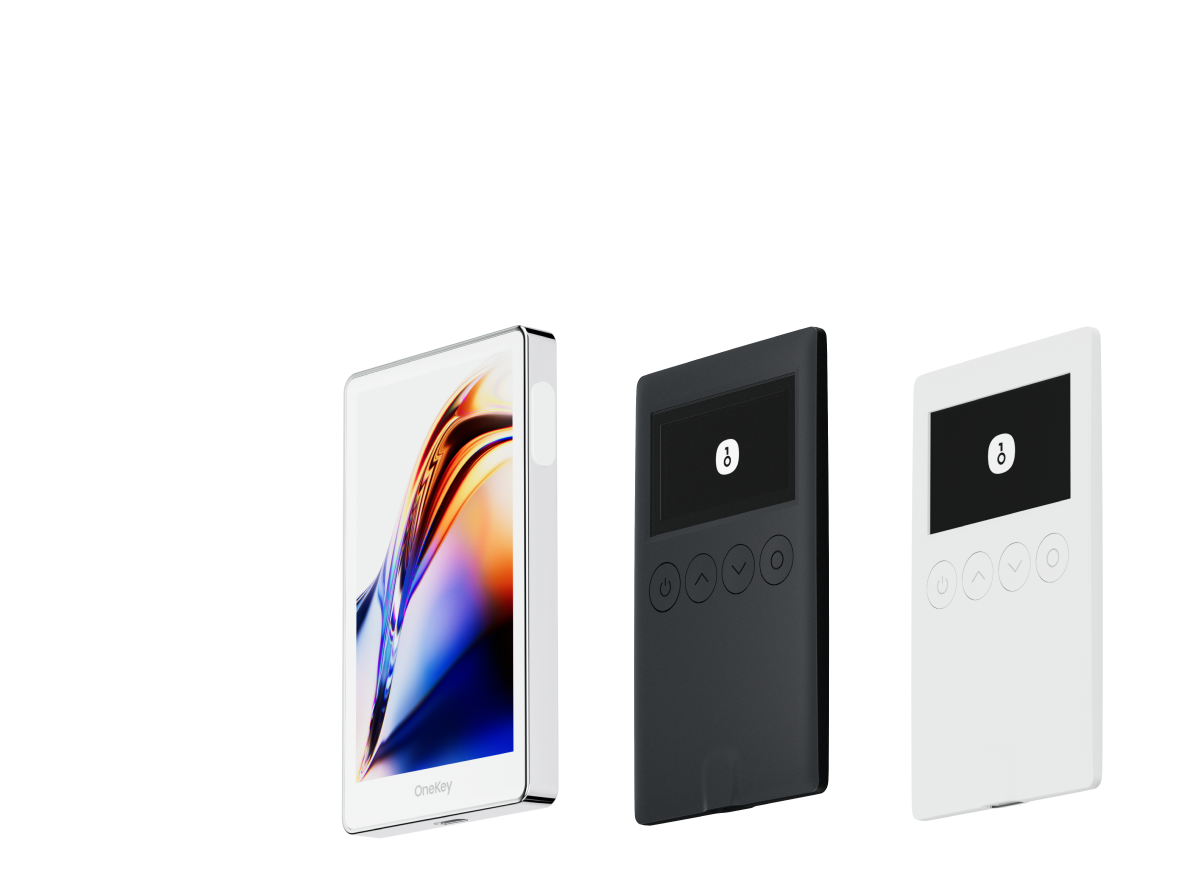
If you self-custody DOGE regularly, a hardware wallet can offer peace of mind. OneKey focuses on open-source transparency, secure offline signing, multi-chain support (including Dogecoin), and a clean user experience across desktop and mobile—useful if you frequently move value on-chain while minimizing operational risk.
Running a Node and Mining
- Node operation: Running Dogecoin Core helps you verify your own transactions and improve network resiliency. Download binaries or compile from source using the official Dogecoin releases and follow the docs in the GitHub repository.
- Mining: Dogecoin’s Scrypt PoW and merged mining mean most hash power comes from miners who also secure Litecoin. Mining requires specialized hardware and pool participation; novices should carefully model costs vs. potential rewards. For conceptual background, see Merged mining.
Interoperability and Wrapped DOGE
Wrapped representations of DOGE exist on other chains to enable DeFi participation, but they carry bridge and smart contract risks in addition to Dogecoin’s base-layer risks. If you use wrapped assets, verify the bridge’s security history, audits, and redemption paths. For a primer on wrapped tokens and their trade-offs, see Binance Academy’s explainer on wrapped tokens.
Common Risks
- Volatility: DOGE can move sharply in both directions. Avoid overexposure and consider dollar-cost averaging if you’re building a long-term position.
- Liquidity and slippage: While DOGE is broadly traded, thin order books on smaller venues can create slippage. Use limit orders when appropriate.
- Operational security: Self-custody is empowering but unforgiving. Test small transactions, confirm addresses, and practice recovery workflows.
- Ecosystem risk: Beware of third-party tools claiming “Dogecoin compatibility” without open-source code or audits. Prefer reputable clients and repositories such as the official Dogecoin GitHub.
Practical Tips for Using DOGE
- Addresses start with “D” on mainnet; always confirm network and address format before sending.
- For medium to high-value payments, wait for multiple confirmations, especially during high-mempool periods.
- When sending to exchanges, copy-paste addresses carefully and consider a small test transaction first.
- Track transactions and fee conditions on explorers like Blockchair for Dogecoin.
Final Thoughts
Dogecoin’s blend of internet culture, simple design, and real usage has turned a meme into a mainstay of crypto. If you hold or transact DOGE, self-custody with reliable tools is essential. OneKey offers open-source hardware wallets with offline key storage and Dogecoin support, making it a practical choice for users who want to tip, pay, and store with confidence—without sacrificing control over their keys.
Further reading and resources:
- Official site: dogecoin.com
- Code and docs: Dogecoin GitHub
- Foundation and community: foundation.dogecoin.com
- Market data: CoinGecko: Dogecoin
- Payments: Tesla Dogecoin support, BitPay: Dogecoin
- Explorer: Blockchair Dogecoin