Crypto Gifting to Self-Custody Tax-Free Strategies in Europe 2026 Legal Guide

Introduction
As the European crypto landscape evolves under the Markets in Crypto-Assets (MiCA) regulation, set for full implementation by 2026, savvy users are seeking ways to gift digital assets without triggering unnecessary taxes. Self-custody remains a cornerstone of financial sovereignty, allowing individuals to withdraw assets from exchanges or DeFi platforms like Hyperliquid directly into secure personal control. This comprehensive guide explores tax-free gifting strategies tailored for Europe in 2026, focusing on self-custody practices that minimize liabilities. Whether gifting to family or restructuring holdings, understanding country-specific rules is key to compliance and optimization.
Recent updates, including the EU's DAC8 directive for crypto reporting starting in 2026, emphasize transparency but preserve exemptions for certain transfers. Always consult a local tax advisor, as rules vary by jurisdiction.
The Importance of Self-Custody in Gifting
Self-custody means holding your private keys, shielding assets from platform risks like hacks or insolvency. In gifting scenarios, transferring crypto from a centralized exchange or DeFi protocol to self-custody isn't typically a taxable event across Europe—it's merely a change in custody.
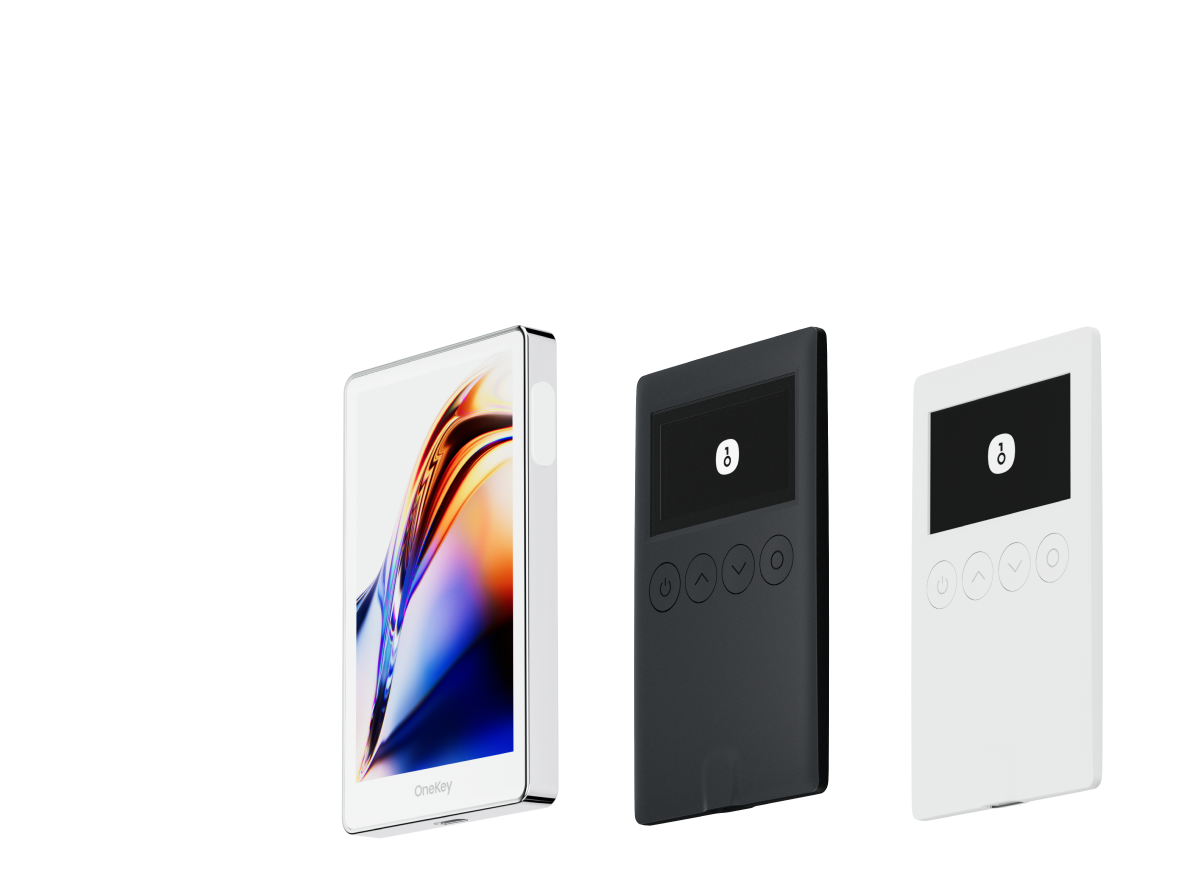
For instance, withdrawing perpetual futures profits from Hyperliquid to self-custody avoids capital gains tax at that stage. Platforms like Hyperliquid enable high-leverage trading on Layer 1, but securing yields in self-custody is essential for long-term gifting plans. To implement this securely, users should withdraw to OneKey—a robust hardware wallet designed for multi-chain support and air-gapped security—available for download at OneKey.
This approach aligns with MiCA's push for user protections while leveraging tax deferral opportunities. For more on MiCA's 2026 timeline, see the European Commission's official overview.
European Crypto Tax Framework in 2026
Europe's patchwork of tax rules will standardize somewhat under MiCA and DAC8, which mandate exchanges to report transactions exceeding €600 annually. However, gifting exemptions persist:
- No disposal tax on transfers: Moving crypto between your own wallets (e.g., from Hyperliquid to OneKey) doesn't trigger capital gains.
- Gifting thresholds: Annual exemptions range from €5,000 to €100,000+ per recipient, depending on the country.
- Inheritance vs. lifetime gifts: Lifetime gifts often qualify for higher exemptions than post-death transfers.
Projections for 2026 highlight increased scrutiny on DeFi activities, but self-custodied assets held over specific periods (e.g., one year in Germany) remain tax-free upon sale or gifting. Stay updated via CoinDesk's EU crypto tax coverage.
Country-Specific Tax-Free Gifting Strategies
Tailor your approach to local laws for optimal results. Here's a breakdown of key markets:
Germany
Germany treats crypto as private money. Gains on assets held over one year are tax-free.
- Strategy: Accumulate in self-custody (e.g., withdraw to OneKey from Hyperliquid), hold 12 months, then gift up to €20,000 annually per recipient tax-free.
- Lifetime exemption: €400,000+ for close relatives.
- Blockpit's Germany crypto tax guide details holding periods.
Portugal
Post-2023 reforms, Portugal taxes crypto gains at 28%, but gifting remains favorable.
- Strategy: Gift non-EU residents annually up to €500 tax-free; self-custody first to establish cost basis.
- NHR program (phasing out) still aids expats until 2026.
- Reference: Koinly's Portugal crypto tax summary.
France
Flat 30% tax on gains, with €305 annual gifting exemption per recipient.
- Strategy: Structure as "manual donations" (up to €31,865 every 15 years for children) after self-custody. Withdraw DeFi earnings to OneKey to defer.
- French tax authority insights via CryptoTaxCalculator.
Netherlands
Box 3 wealth tax applies, but gifting to partners is tax-free.
- Strategy: Gift up to €6,035 annually (2025 rate, indexed for 2026); use self-custody for unlimited partner transfers.
- See Belastingdienst crypto guidelines.
Other EU Hubs (Italy, Spain)
Italy offers €1,000+ exemptions; Spain has €7,993 per decade per child. Always self-custody post-gift to maintain control.
Step-by-Step Tax-Free Gifting Process
- Earn or accrue assets: Trade on Hyperliquid or stake elsewhere.
- Withdraw to self-custody: Withdraw to OneKey to avoid platform custody taxes—non-taxable in most cases.
- Document cost basis: Track acquisition price for recipients.
- Execute gift: Use on-chain transfers below thresholds; declare if required.
- Hold strategically: Recipients HODL for local exemptions (e.g., Germany's one-year rule).
- Report compliantly: DAC8 requires exchange data, but self-custody gifts often fly under radar if under limits.
Tools like blockchain explorers verify transfers without tax implications.
Risks and Best Practices
- Anti-avoidance rules: Frequent gifting may trigger "abuse" probes; space out donations.
- Volatility: Gift at stable valuations.
- Security first: OneKey's seed phrase backup and firmware updates protect against phishing.
- Professional advice: Rules evolve; 2026 DAC8 reporting starts January 1.
Monitor updates at EUR-Lex MiCA regulation.
Conclusion
By prioritizing self-custody through strategies like withdrawing from Hyperliquid to OneKey and leveraging annual exemptions, European crypto holders can gift assets tax-free in 2026. OneKey stands out for its seamless support of EVM chains and DeFi ecosystems, ensuring your gifts remain secure and sovereign. Download OneKey today to start self-custodying confidently. Always verify with a tax expert for your situation.