CLASH Token Guide: The Battle-Ready Meme Coin for the Bold

Key Takeaways
• Always verify the official CLASH contract address to avoid scams.
• Conduct thorough on-chain due diligence to assess ownership and liquidity.
• Use decentralized exchanges (DEX) safely by confirming token pairs and testing small trades.
• Secure your assets with a hardware wallet to protect against online threats.
• Understand the market context and timing for meme coin investments.
Meme coins are back on the front lines of crypto, supercharged by on-chain liquidity, social virality, and zero-to-one narratives. If you’ve been eyeing CLASH but want a level-headed, security-first guide before jumping in, this article gives you a practical playbook: how to verify the real token, evaluate on-chain risk, execute a purchase safely, and store it like a pro.
Note: Meme coins are extremely volatile and highly speculative. Nothing here is financial advice.
What is CLASH and why does it matter?
“CLASH” positions itself as a battle-ready meme coin—leaning into game-like branding and community face-offs. Whether it lives on Ethereum, Solana, Base, or elsewhere, the core idea mirrors most meme coins: it’s a social asset first, often with little or no intrinsic utility at launch. The upside is narrative-driven momentum; the downside is higher risk than blue chips.
Meme coins have dominated multiple market cycles, and in 2024–2025 they re-emerged as a major driver of on-chain activity and DEX volume, particularly on high-throughput chains. For context on this trend and its risks, see Binance’s explainer on meme coins and behavioral dynamics at play at Binance Academy’s overview of memecoins and the 2024 cycle overview in Binance Research’s quarterly industry report. Links: What Are Memecoins, Crypto Industry Report Q1 2024.
Step 1: Verify the real CLASH contract
Because copycats and imposters are common, always start with contract verification:
- Get the official contract address from the project’s verified social channels or website. If the team shares multiple chains, confirm each address.
- Cross-check on the relevant explorer:
- Compare what you see with trusted market trackers (contract address, symbol, decimals), e.g. CoinGecko’s guide on finding contract addresses.
Red flags to catch early:
- Mismatched contract addresses across channels
- Unverified contracts on explorers
- Suspicious token permissions (mint, freeze) or opaque ownership
Step 2: On-chain due diligence checklist
Meme coins can move fast, but a 10-minute on-chain check can protect you from most traps.
- Ownership and permissions
- Is ownership renounced? If not, what functions can the owner call?
- Are there tax, blacklist, or pause functions? Advanced control is not automatically bad, but it requires trust or a clear roadmap. For upgradeable contracts, read why proxies matter at OpenZeppelin’s proxy documentation.
- Supply and distribution
- Check total supply and top holders. Concentration at a few wallets can mean heavy dump risk. Explorer token pages list holders and distributions: Etherscan token pages.
- Liquidity health
- Look at initial liquidity, LP token ownership, and whether liquidity is locked. Use market UIs such as Dexscreener to view pools, volume, and pair history.
- Trading safety
- Test a small buy/sell to ensure it’s not a honeypot and the tax is as expected. Before granting approvals, understand ERC‑20 approvals and spending risk at Ethereum.org’s ERC‑20 standard.
To regularly clean up token allowances, use trusted tools like Etherscan’s Token Approval Checker or Revoke.cash.
For a general risk backdrop on rug pulls and scams, consult the annual overview of on-chain threats in Chainalysis’ report: Crypto Crime Report.
Step 3: How to buy CLASH safely on a DEX
The process depends on the chain. Always verify you’re interacting with the correct token pair.
- On Ethereum or Base
- Use the Uniswap interface (ensure the domain is correct) and follow their steps to swap. Reference: How to Use Uniswap.
- On Solana
- Use the Jupiter aggregator, paste the verified token mint, and route your swap through the best pool: Jupiter.
Best practices:
- Gas and slippage
- Set a conservative slippage to avoid overpaying in volatile conditions. If you need a refresher on slippage, see Coinbase Learn: What is Slippage.
- MEV protection
- On Ethereum, consider sending swaps via a private RPC to reduce sandwich risk. See Flashbots Protect RPC quick start.
- Dry run
- Start with a small test transaction to confirm routing, fees, and post-trade balances before scaling up.
Step 4: Secure storage and transaction hygiene
Whether you intend to trade actively or hold, wallet security is non-negotiable:
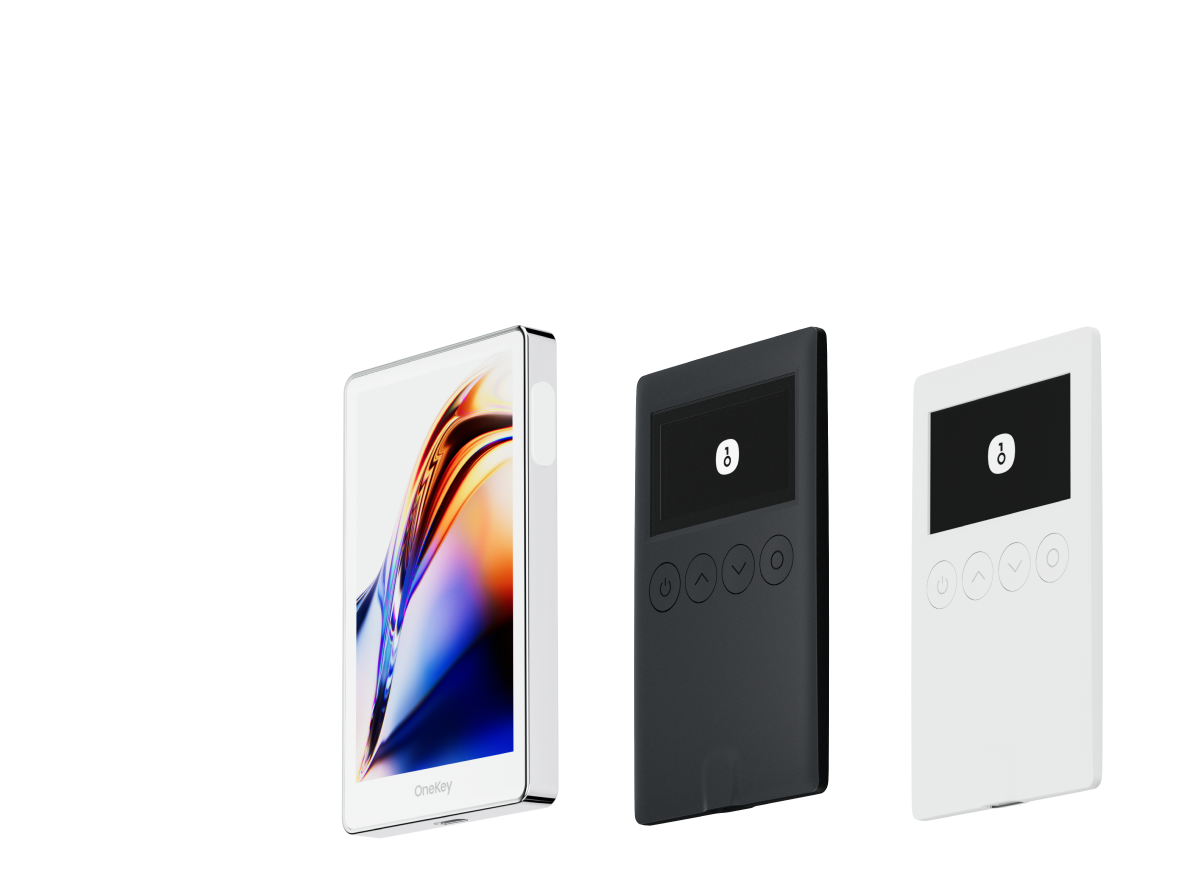
- Use a hardware wallet to isolate private keys from online exposure. OneKey supports offline key storage, clear signing, and wide L1/L2 compatibility—useful for swapping and signing on Ethereum, Base, or Solana while keeping keys off your computer or phone.
- Avoid blind approvals
- Review permissions during the approval step; limit “infinite” allowances for newly launched tokens.
- Regularly audit allowances
- Periodically revoke unused token approvals via Etherscan Token Approval Checker or Revoke.cash.
- Address hygiene
- Keep a dedicated wallet for degen activity separate from your long-term holdings. Use fresh addresses if you engage with a lot of experimental contracts.
Utility, tokenomics, and sustainability: what to look for
Most meme coins begin with minimal utility. If CLASH introduces features like arenas, loot, staking, or game hooks, evaluate them like you would any on-chain product:
- Clearly defined tokenomics and emissions
- Transparent treasury and multisig signers
- Realistic roadmap and documented deliverables
- Open communication and auditable code when applicable
Roadmap promises should be verifiable over time. If the token is upgradeable, understand the proxy admin and upgrade process. Reference: OpenZeppelin: Proxies and upgrades.
Market context: why timing and liquidity matter
Meme coin performance is highly path-dependent on liquidity, narrative momentum, and market beta. In 2024, on-chain volumes and social-driven tokens surged across several ecosystems, a pattern documented in industry research like Binance Research’s Q1 2024 report. When evaluating CLASH’s setup:
- Watch DEX pair depth, 24h volume, and volatility on Dexscreener.
- Track catalyst windows (new listings, feature drops, community events).
- Understand fees and taxes before trading; some tokens implement buy/sell taxes that can materially affect PnL.
A practical CLASH checklist before you click “Swap”
- Confirm the official contract address on-chain and via trusted references.
- Read the contract: taxes, blacklist/pause, mint authority, proxy/upgradeability.
- Check top holders and liquidity health. Is LP locked? Who controls it?
- Test a tiny trade; verify you can sell back.
- Protect approvals and consider MEV-safe routing.
- Use a hardware wallet and segregate trading wallets.
- Set expectations: meme coins can go to zero just as fast as they can moon.
Should you use a hardware wallet for CLASH?
Yes—especially if you plan to hold or size up. A hardware wallet like OneKey keeps private keys offline and supports clear, human-readable transaction prompts, reducing the risk of phishing or malicious approvals. That’s particularly helpful in early meme coin markets where contract safety varies. You can still interact with DEXs via WalletConnect-compatible interfaces while signing on the device, and you can keep degen activity isolated from long-term holdings for better operational security.
Final thoughts
CLASH markets itself as a coin for the bold—so be bold in your diligence, not just your entries. Verify the contract, study the token mechanics, use safe execution practices, and store your assets securely. In hyper-volatile niches like meme coins, the edge often comes down to two things: better information and tighter security. If you nail both, you’re far more prepared for whatever the next battle brings.