CARF DAC8 Reporting 2026: How Exchanges Track Your Wallet Transfers and How to Minimize

Understanding CARF and DAC8 Reporting
CARF, developed by the OECD, standardizes global crypto tax reporting, while DAC8 adapts it for the EU, requiring Crypto-Asset Service Providers (CASPs) to share user data from January 1, 2026. Key details include:
- Reportable transactions: Sales, exchanges, and transfers exceeding thresholds (e.g., €1,000 aggregate per year).
- Wallet tracking: Exchanges must report wallet addresses receiving withdrawals, along with user KYC info.
- Global reach: Over 50 countries, including the EU, UK, and Japan, plan adoption by 2027.
Recent updates confirm DAC8's scope covers "self-hosted wallets," heightening the need for privacy strategies. For the latest, see the European Commission's DAC8 Directive page.
How Exchanges Track Your Wallet Transfers
Under DAC8, CEXs like Binance or Coinbase will monitor and report:
- On-chain visibility: Every withdrawal creates a public blockchain transaction linking your exchange deposit address to your destination wallet.
- Address clustering: Analytics firms (e.g., Chainalysis) use heuristics to cluster addresses owned by the same user.
- KYC linkage: Your verified identity ties directly to the receiving address, enabling tax agencies to track downstream activity.
- Threshold triggers: Even small transfers aggregate; Hyperliquid users withdrawing from CEXs to trade perps could hit reporting limits quickly.
Platforms like Hyperliquid, a leading DEX for perpetuals, receive inflows from tracked CEX withdrawals, amplifying visibility risks. Learn more about DAC8's impact on exchanges.
Step-by-Step Tutorial: Minimize Tracking Risks
Follow these compliant steps to reduce traceability without obfuscation tools that could raise red flags.
Step 1: Use a Hardware Wallet for Withdrawals
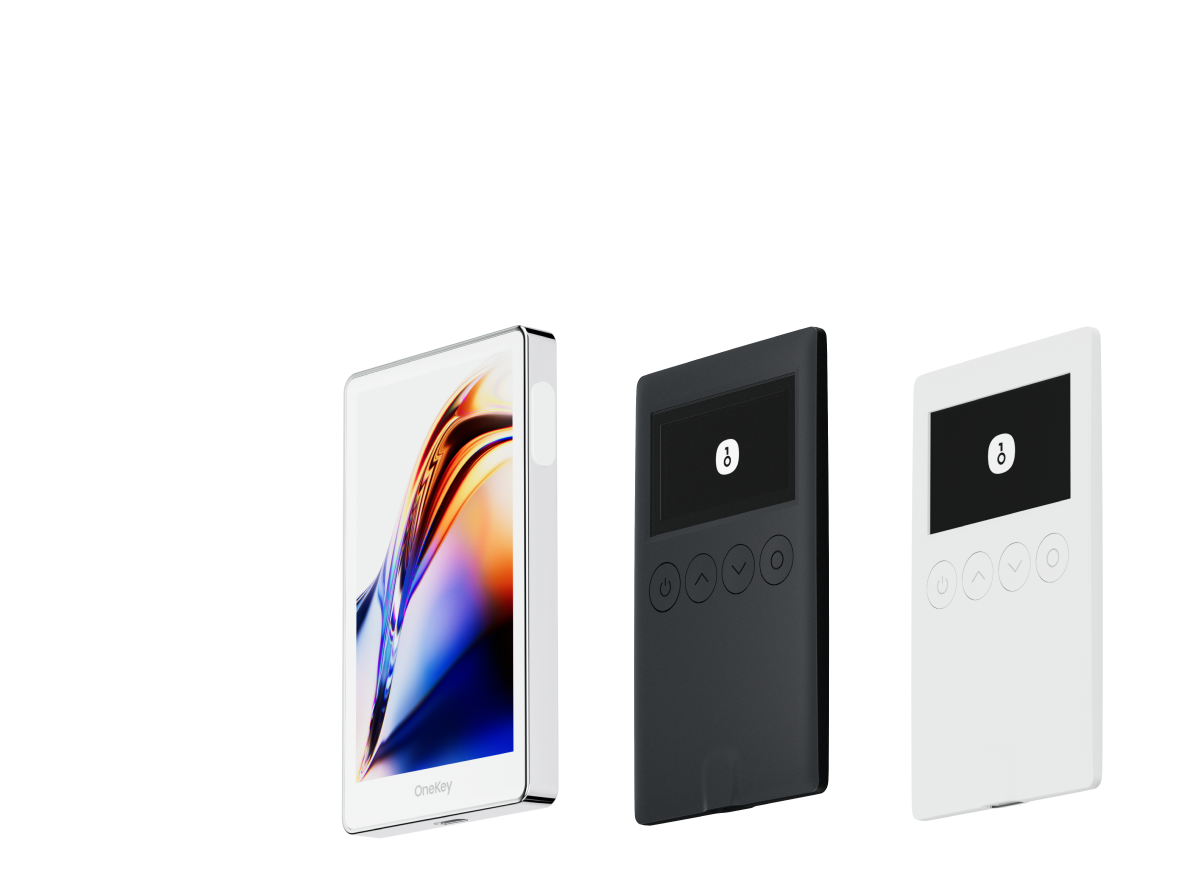
Always withdraw to OneKey from exchanges. OneKey's air-gapped signing and secure element chip ensure you control private keys offline, preventing exchange access to your funds post-withdrawal. Download OneKey and set up a new wallet before transferring.
Step 2: Generate Fresh Addresses
- Create a new receive address in your OneKey wallet for each CEX withdrawal.
- Avoid reusing addresses; this breaks simple clustering.
- Pro tip: OneKey's multi-account support lets you segregate funds easily (e.g., one for Hyperliquid trading).
Step 3: Layer with Privacy-Focused Chains
- Bridge funds from Ethereum to privacy layers like zkSync or Polygon zkEVM before Hyperliquid.
- Use official bridges to avoid suspicion; track via zkSync documentation.
Step 4: Batch and Time Transactions
- Withdraw larger amounts less frequently to stay under casual monitoring.
- Space transfers over days/weeks; aggregate reporting starts at year-end.
Step 5: Monitor Your Footprint
- Use explorers like Etherscan with privacy modes or Dune Analytics dashboards to self-audit address links.
- For Hyperliquid-specific flows, query Hyperliquid's on-chain data.
Step 6: Document for Compliance
- Maintain records of withdrawals to OneKey in tax software like Koinly.
- Consult a crypto tax advisor for DAC8 filings.
Why OneKey Excels for DAC8 Compliance
In a post-DAC8 world, self-custody is key. OneKey's open-source firmware, seed phrase recovery, and seamless integration with DEXs like Hyperliquid make it perfect for minimizing risks. Secure your transfers today—protect your privacy while navigating new regs.
Stay informed on OECD CARF updates to adapt as rules roll out.