BLOCK Deep Dive: The Future of the Token and Its Trajectory

In the ever-expanding universe of blockchain technology, the ability for different networks to communicate and interact with each other—known as interoperability—has become a holy grail. While countless new projects are tackling this challenge, it's crucial to examine the foundational protocols that paved the way. One such pioneer is Blocknet, powered by its native token, BLOCK.
This deep dive offers a comprehensive cryptocurrency analysis of the BLOCK token, exploring its technology, market performance, and future potential. We will dissect what makes Blocknet unique and provide a balanced perspective on its future price trajectory in a competitive landscape.
What is Blocknet (BLOCK)? The Internet of Blockchains
Launched in 2014, Blocknet is one of the earliest projects dedicated to solving the problem of blockchain interoperability. It aims to be a decentralized network connector, an "Internet of Blockchains," allowing different cryptocurrencies and dApps to communicate seamlessly without a centralized intermediary.
At its core, Blocknet provides a peer-to-peer protocol that enables developers to build cross-chain applications. The project's vision is to foster a decentralized ecosystem where value and data can flow freely between any blockchain. Its main components include:
- XBridge Protocol: This is Blocknet's core technology. It acts as a universal translator, enabling direct, wallet-to-wallet atomic swaps between different cryptocurrencies. Unlike wrapped tokens, which require a trusted custodian, XBridge facilitates trustless exchanges.
- Block DX: A prime example of XBridge's power, Block DX is a fully decentralized exchange (DEX). It allows users to trade cryptocurrencies directly from their own wallets, offering enhanced security and eliminating the need to deposit funds on a third-party platform.
- Service Nodes: The Blocknet network is powered by a decentralized network of Service Nodes. These nodes provide the infrastructure for cross-chain communication and are rewarded with BLOCK tokens for their services, ensuring the network remains robust and operational.
Technical Analysis: Under the Hood of BLOCK
The true innovation of Blocknet lies in its trustless approach. The BLOCK token is the economic engine that secures and powers this decentralized infrastructure.
To run a Service Node, an operator must hold a certain amount of BLOCK tokens as collateral. This staking mechanism serves two purposes: it incentivizes network participation and ensures that node operators act honestly. In return for providing services like routing cross-chain communication and verifying transactions, operators earn rewards in BLOCK.
Blocknet's protocol design distinguishes it from many modern interoperability solutions. By focusing on true atomic swaps, it avoids the security risks associated with centralized bridges and wrapped assets, which have often been targets for major exploits in the crypto space. This commitment to decentralization and security is a cornerstone of its technical architecture. You can learn more about this approach from in-depth resources on blockchain interoperability.
Market Performance: A Journey Through Time
As a veteran project, BLOCK has experienced several market cycles. According to data from platforms like CoinGecko, the token saw its all-time high during the 2017-2018 bull market, driven by the initial excitement around interoperability.
However, in recent years, the market has become saturated with newer, heavily-funded competitors. This has led to BLOCK maintaining a lower market profile compared to newcomers. Its trading volume and market capitalization reflect its status as a legacy project that is yet to recapture widespread attention.
Investors analyzing its market performance must consider both its resilience and the challenges it faces. Its long-standing presence demonstrates a dedicated community and a functional product. On the other hand, its struggle to gain traction in recent bull cycles indicates significant headwinds from competition and a need for renewed marketing and development momentum.
Future Prospects and Roadmap: What Lies Ahead for Blocknet?
The future of Blocknet is intrinsically tied to the broader trend of a multi-chain world. As more users and developers operate across multiple blockchains, the demand for robust and decentralized interoperability solutions will only grow. This presents both an opportunity and a challenge for the project.
The Interoperability Narrative
The core value proposition of Blocknet—trustless cross-chain communication—is more relevant today than ever. The industry's shift away from a single "chain-to-rule-them-all" mindset plays directly into Blocknet's original vision. If it can successfully leverage its established technology, it could position itself as a secure, decentralized alternative to more centralized bridging solutions.
Development and Competition
A critical factor for BLOCK's future is its development activity and ability to innovate. The project's development has appeared to slow in comparison to the rapid pace of well-funded competitors. For Blocknet to thrive, the community and developers must demonstrate a clear and compelling roadmap that addresses modern challenges, such as improving user experience and integrating with popular DeFi ecosystems. Without a clear path forward, it risks being overshadowed by newer technologies.
BLOCK Price Prediction: A Balanced Outlook
Disclaimer: This cryptocurrency analysis is for informational purposes only and should not be considered financial advice. Always conduct your own research before making any investment decisions.
Predicting the future price of any cryptocurrency is inherently difficult, especially for a project like Blocknet with a long history. Here is a balanced view of potential scenarios:
The Bullish Case
- Renewed Interest in Decentralization: A major security exploit on a centralized bridge could reignite interest in Blocknet's trustless atomic swap technology.
- Technological Breakthrough: A significant update to the Blocknet protocol, such as improved speed, lower costs, or seamless integration with major chains, could act as a powerful catalyst.
- Community-Driven Revival: A revitalized community effort in marketing, business development, and developer onboarding could bring new life and adoption to the ecosystem.
The Bearish Case
- Intense Competition: Newer, more agile, and better-funded interoperability projects may continue to capture the majority of the market share.
- Lack of Momentum: Without consistent development updates and strategic partnerships, the project may struggle to attract new users and investors.
- Low Liquidity: Low trading volumes can lead to high price volatility and make it difficult for larger investors to enter or exit positions.
Ultimately, the future price of BLOCK will depend on the project's ability to execute its vision and adapt to the rapidly evolving market. It represents a high-risk, potentially high-reward asset for investors who believe in its foundational technology.
Securing Your Assets in a Multi-Chain World
As the blockchain ecosystem becomes increasingly interconnected, managing assets across different networks becomes a daily reality for many crypto users. Whether you are holding foundational assets like Bitcoin or exploring interoperability pioneers like BLOCK, securing them in a self-custodial wallet is non-negotiable.
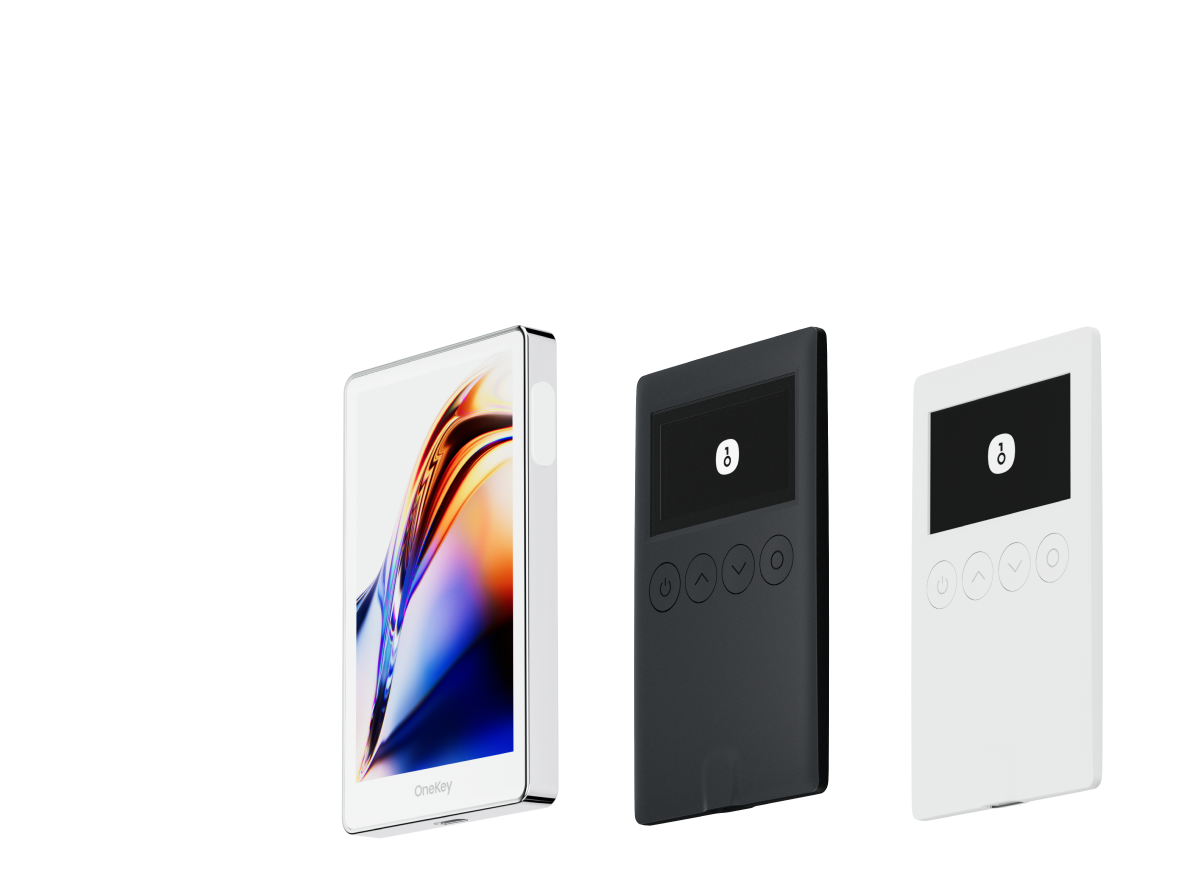
The complexity of a multi-chain world demands a security solution that is both robust and easy to use. The OneKey hardware wallet provides a fortified, offline environment to manage your diverse portfolio. With support for a vast array of blockchains and tokens, OneKey ensures that your private keys remain completely under your control, safeguarding you from the online threats of a connected world. By using a hardware wallet, you ensure your assets are truly yours, ready to navigate the exciting, interoperable future that projects like Blocknet are building.
Conclusion
Blocknet (BLOCK) stands as a testament to the early vision of a fully interconnected blockchain ecosystem. Its commitment to decentralized, trustless interoperability through technologies like XBridge remains technically sound and highly relevant. However, the project faces the immense challenge of competing in a crowded market and must reignite its development and community momentum to realize its full potential.
For investors and crypto enthusiasts, BLOCK represents an important piece of blockchain history with a technology that could see a renaissance. Its journey will be a fascinating case study in resilience, innovation, and the enduring quest for a truly decentralized digital future.